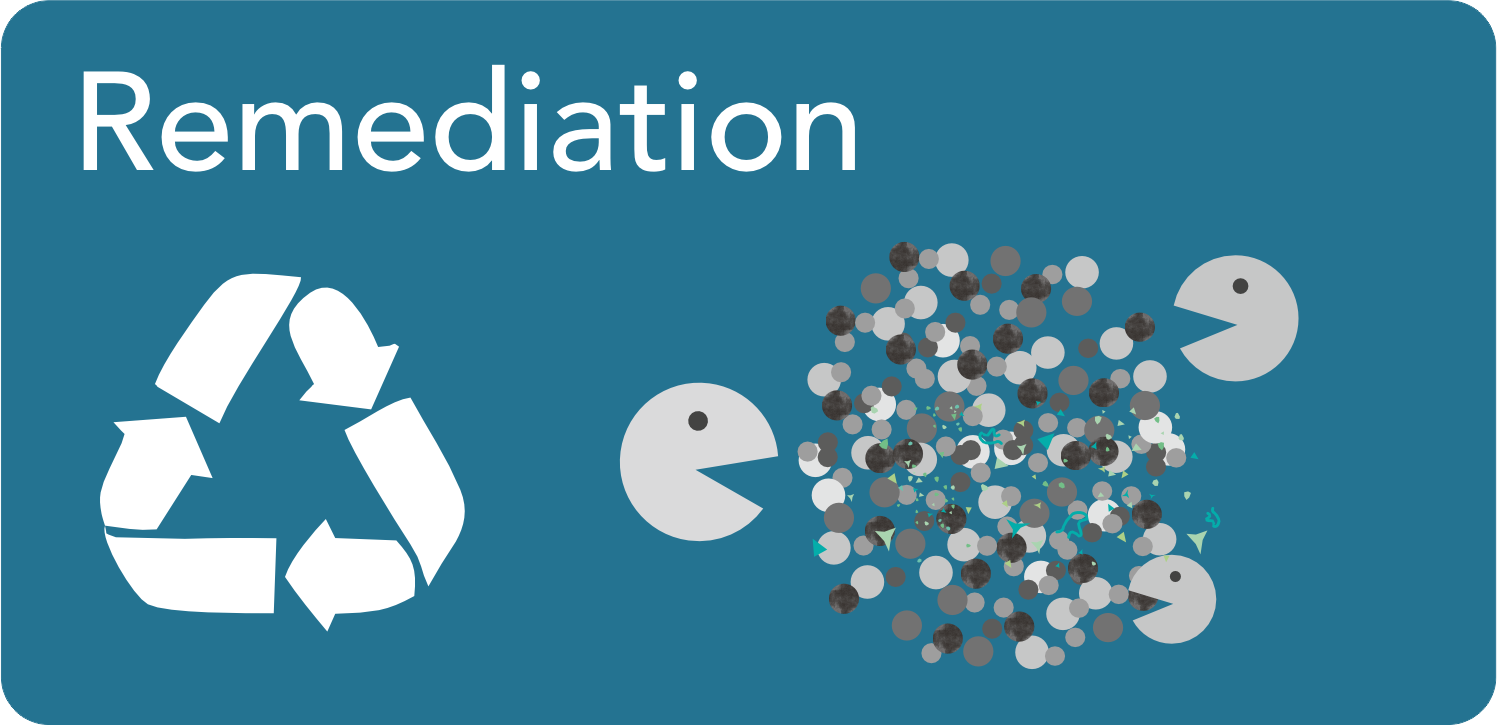
Many of the plastics that have found their way into the environment cannot be removed. We study degradation processes both in open and in closed environments that could be used to remediate existing plastic pollution.

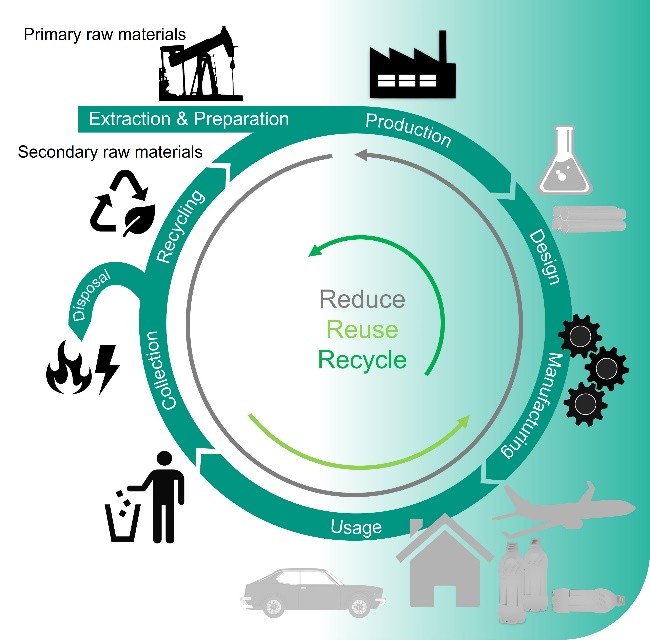
The Plastic Pyrolysis research group of Institute for Technical Chemistry (ITC) and a member of CarbonCycleLab at the Karlsruhe Institute of Technology (KIT) investigates the thermal degradation of mixed plastic waste and how chemical recycling can convert it back into high‑quality raw materials. By carefully selecting the input fractions, the work follows the principles and priorities of the circular economy and avoids competition with mechanical recycling. The central goal of chemical recycling is to prevent “downgrading,” ensuring that polymers obtained from chemically recycled feedstocks are of comparable quality to virgin materials. In pyrolysis, plastics are decomposed into smaller molecules at high temperatures of about 400–600 °C in the absence of oxygen. Current research focuses on temperature‑graded pyrolysis, targeted removal of impurities, and optimization of process parameters to achieve high product yields and to tailor product quality to specific downstream processes.
Salar Tavakkol / ResearchGate / ORCiD
Carbon Cycle Lab (CCL)Project:

Search for innovative bacterial and fungal biocatalysts capable of acting on different plastic types, as well as on plastic additives such as phthalate esters. The bacteria and fungi will be characterized with respect to their catalytic performance using physiological, biochemical, and genomic approaches. The identification of the biochemical tools employed by these microorganisms for plastic degradation will be carried out using pure model polymers. Subsequently, their behavior in the presence of organic (polymer) fractions of real shredder fines will be evaluated in degradation experiments. New hydrolytic key enzymes involved in the bacterial degradation of plastic polymers, as well as intracellular degradation pathways for phthalate plasticizers, will be identified and characterized. The applicability of biochemical treatments (enzymatic or whole-cell-based) to real microplastic samples (e.g. organic fractions of shredder fines and untreated shredder fines) will be assessed.
Projects:
FINEST Project
FINEST: PUre Value
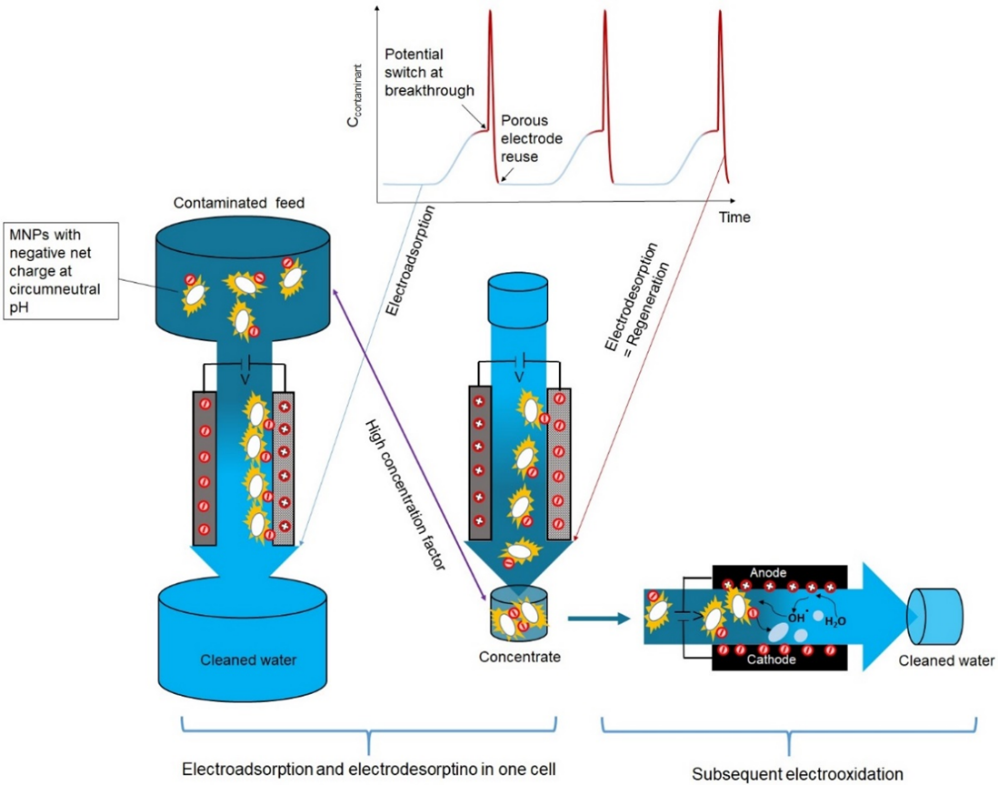
The removal of microplastics (MPs) from waste water is crucial for freshwater production. Currently, sand filtration is often used to remove MPs from water sources. However, this approach is highly energy-demanding, less efficient, and MPs may be re-released from the sand later. In ELECTROREM4PLASTICS we propose a 2-step electrochemical approach for an efficient remediation of MPs from water bodies. First, MPs are accumulated on the surface of highly porous electrodes providing a high surface area. Secondly, oxidizing species such as OH radicals are generated electrochemically to fully degrade the concentrated MPs. For the development of this approach, pyrolysis coupled to gaschromatography mass spectrometry (TED-GC-MS) is used to quantify MPs in the water samples. Non-target analysis is used to evaluate the intermediate products from degradation of the MPs.
Ali Seyed Sajadi
Djure Caspar Martin Paulsen

An important component of the circular economy is the strengthening of plastic recycling. This requires in-depth knowledge of additives, degradation products, contamination from former use, and hazardous substances addressed by CLP Regulation or REACH regulation, or both. This is the aim of the project “Hazardous Substances in Plastics and Quality Criteria for Recyclates” of the German Environment Agency (UBA)(1) . The project focuses on products made of mass-produced plastics (PE, PP, PS, PET) such as packaging, household articles, sports, toys and leisure articles, as well as products from agriculture. Objectives are: 1) to classify concentrations reported in databases; 2) to develop practical testing methods for quality control of recycled plastics; and 3) to engage with stakeholders to develop solution-oriented recommendations for action.
(1) German project title: „Gefährliche Stoffe in Produkten aus Massenkunststoffen und Ableitung von Anforderungen an Rezyklate“ (GeSKAR).
Research team:
Ines Oehme
Ulrike Braun
Richard Becker
Kathleen Burkhardt-Medicke

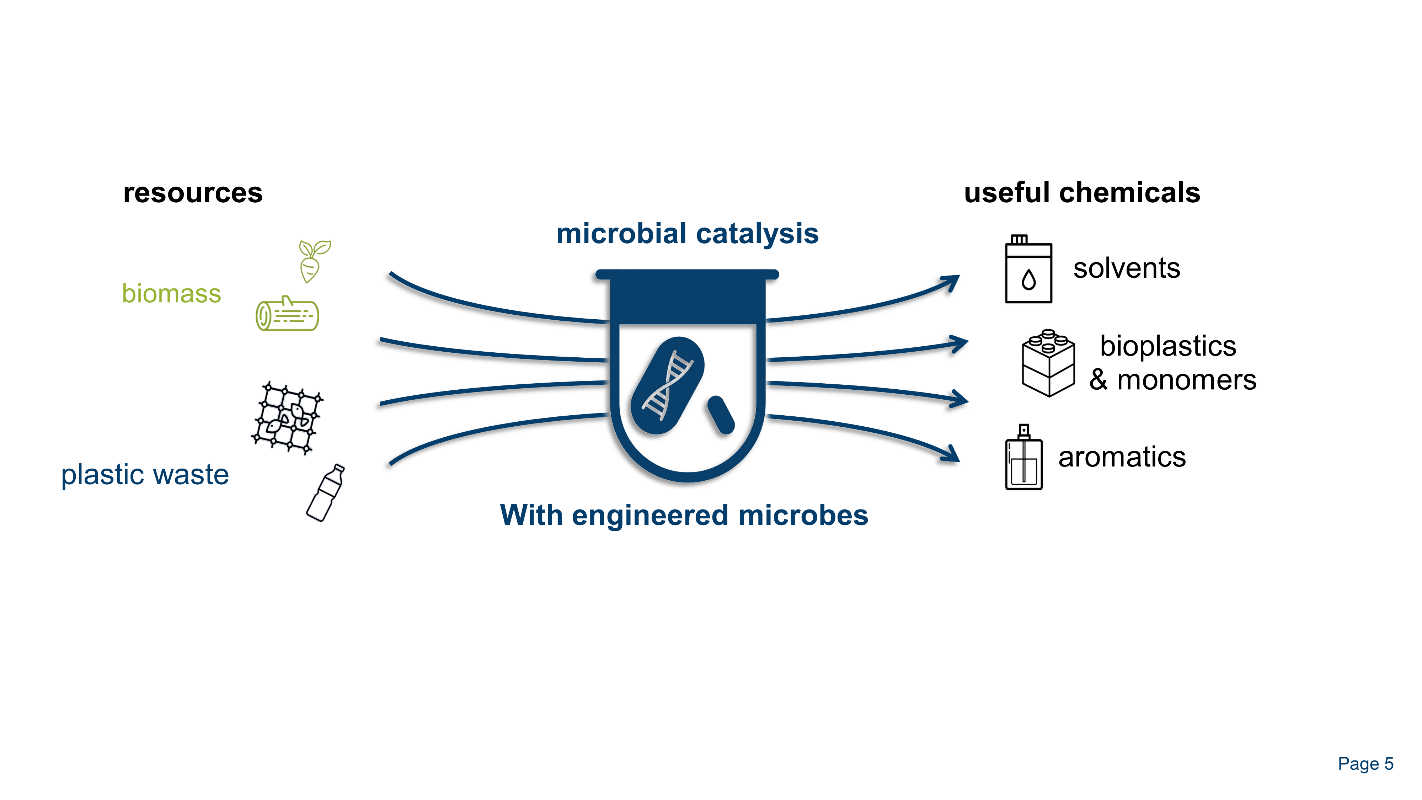
Bio-upcycling offers an opportunity to add value to plastic waste by establishing it as substrate for microbial biotechnology. We are working on engineering these microbes, such as Pseudomonas, by metabolic engineering and adaptive laboratory evolution to enable the efficient assimilation of mixed plastic depolymerization products of PET, PU, and Polyamides. We further involve the isolation, engineering, and characterization of plastic-degrading microbes and enzymes. On the long run, we want to establish co-utilization of monomer mixtures, and we want to couple the catabolism of plastic monomers to the microbial production of value added-chemicals. This so-called microbial funneling of plastic monomers into diverse chemical compounds offers new opportunities to bio-upcycle plastic waste streams that are currently considered unrecyclable.
Research team:
Nick WierckxCarolin Höller
Anne Schmidt
Stephan Thies
Jan Vanselow
Benedikt Wynands
Project:
Projects
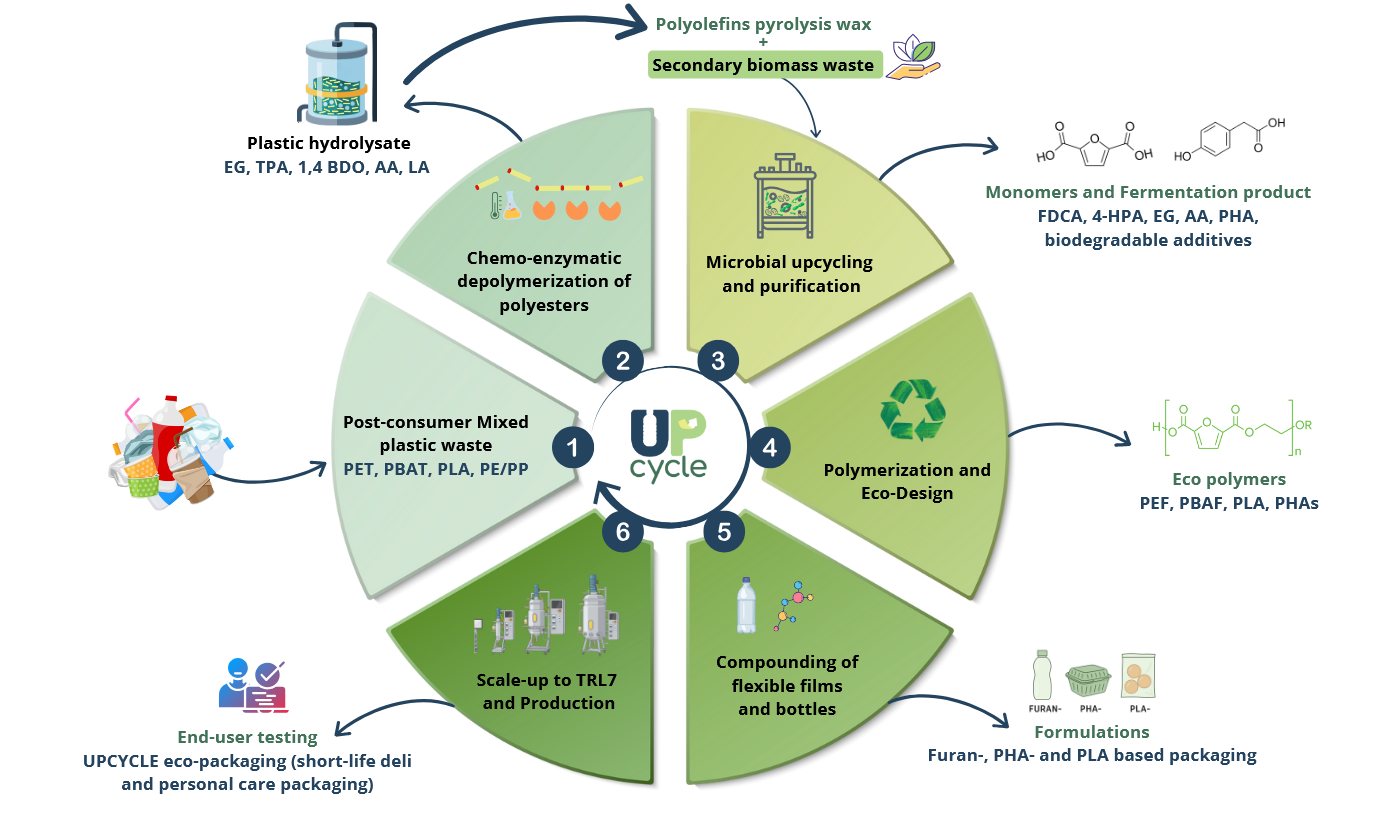
UPCYCLE aims to create new circular value chains that turn today’s non-recyclable plastic waste into highly recyclable and non-persistent packaging materials, ensuring they do not remain in the environment for centuries.
Target applications include fresh food flexible packaging, short-lifetime deli packaging, beverage bottles, and personal care packaging—all sectors where recyclability and end-of-life performance are critical.
Link:

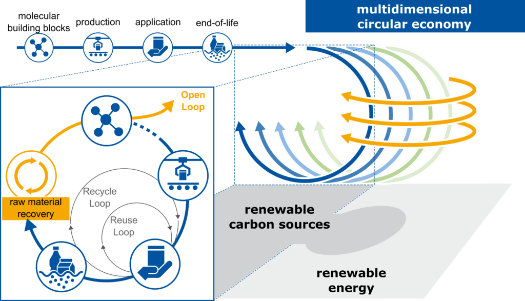
The WSS Research Centre catalaix is spearheading the development of new recycling technologies that will drive the transition to a multidimensional circular economy. Through catalysis, we enable the sustainable processing of complex waste streams and the integration of renewable energy into production processes. catalaix will be dedicated to transforming the chemical industry into a circular economy.
The scientific-technological objective of catalaix is the holistic development and optimization of Open-Loop recycling technologies for the valorization of complex waste material streams and mixed fractions over these size scales. With these technologies, the integration of the value-added paths into the multidimensional circular economy can be achieved.
Link:

This work develops non-invasive tools for monitoring and controlling microplastic decomposition. Biocalorimetry-based sensors will track microbial and enzymatic activity without disturbing the system. Heat-flow data will be linked to decomposition, product formation and process stability. Thermodynamic and kinetic models will support interpretation, prediction and optimization. Partner-provided biocatalysts and analytical tools will be integrated into the framework. Robust continuous heat signals make the approach suitable for technical scale-up. Overall, it enables real-time monitoring and control of sustainable microplastic conversion.
Prof. Dr. Thomas Maskow / ORCiD
Research team:
Prof. Dr. Thomas Maskow
Noelia Fernandez Merayo
Sven Paufler
Dr. Thore Rohwerder
Projects:
Ecothermodynamics / Biocalorimetry working group
FINEST
PUreValue



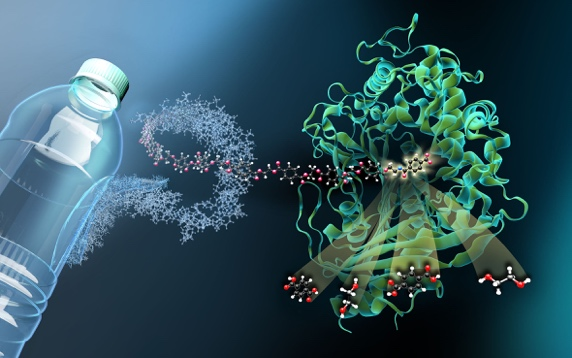
For all hydrolysable polymer types (about 30% of the total plastics synthesised) enzymes are promising option for a sustainable recycling. For example, hydrolases with weak activities against the polyester PET, polyamides or polyurethanes occur in nature, however, these enzymes need to be engineered for higher activities, reaction temperatures and stability to qualify for industrial recycling processes. At Helmholtz-Zentrum Berlin (HZB), we employ structure-guided and AI-based enzyme engineering to bring the capacities of naturally occurring PET hydrolases, polyamidases or polyurethanases to a level that permits their application in larger scales.
Research team:
Frank Lennartz
Parinita Singh
Camilla Genter Dieguez
Yulia Boyakova
Christine Gless
Projects:
Macromolecular Crystallography
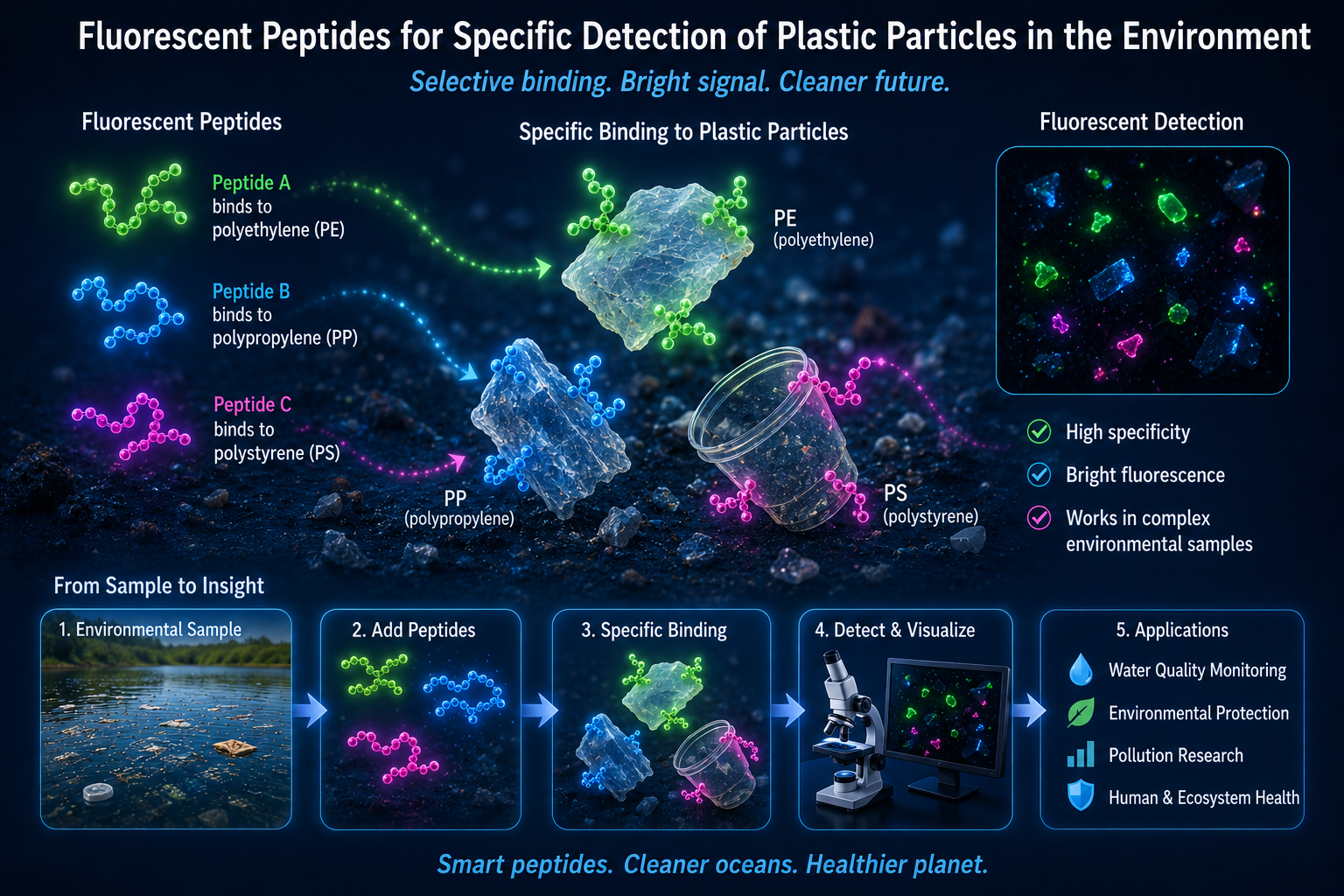 AI generated image of polymer-specific peptide binders for plastics monitoring, detection and following selective removal.
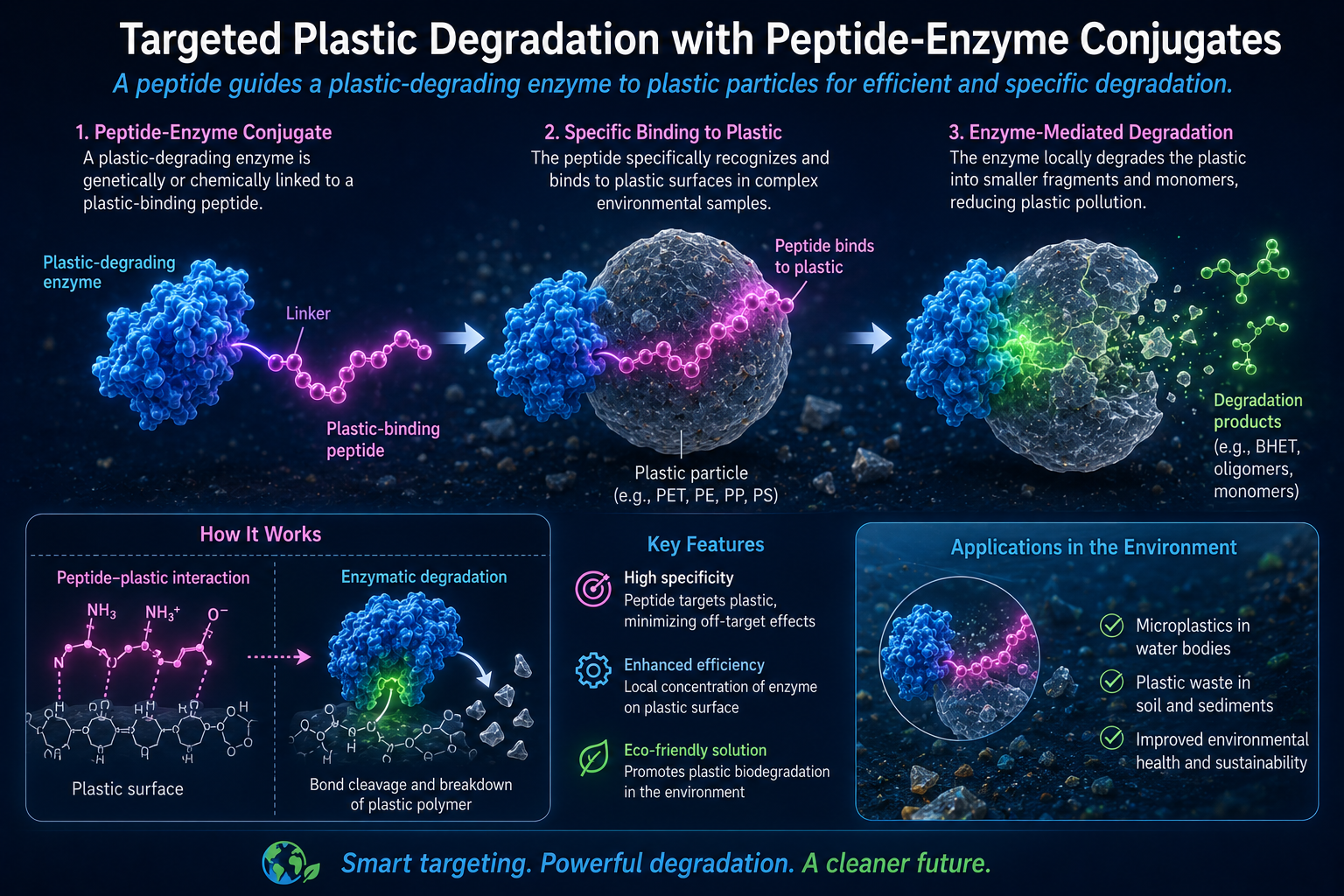 Concept for peptide enhanced enzymatic polymer degradation. AI generated image. Currently only approved for improved PET degradation.
Polymer type-specific peptide binders will pave the way for micro- and nanoplastic detection, monitoring and selective removal assays through fluorescent protein tethering peptide fusion proteins. The polymer type-specific peptide binders are used as well to enhance the enzymatic degradation of biodegradable polymers using peptide-modified enzymes.
Prof. Dr. Franziska Lederer / ORCiD
Projects:
FINEST: Use and management of finest particulate anthropogenic material flows in a sustainable circular economy “FINEST” (Helmholtz Sustainability Challenge, FKZ KA2-HSC-10_FINEST, 2022-2027)
PUreValue: Waste PU to Value – Biodegradation for polyurethanes for polymer upcy-cling - PUreValue (Dr. Franziska Lederer, Helmholtz Sustainability Challenge, FKZ KA-HSC-13_PUreValue, 2024-2027)