
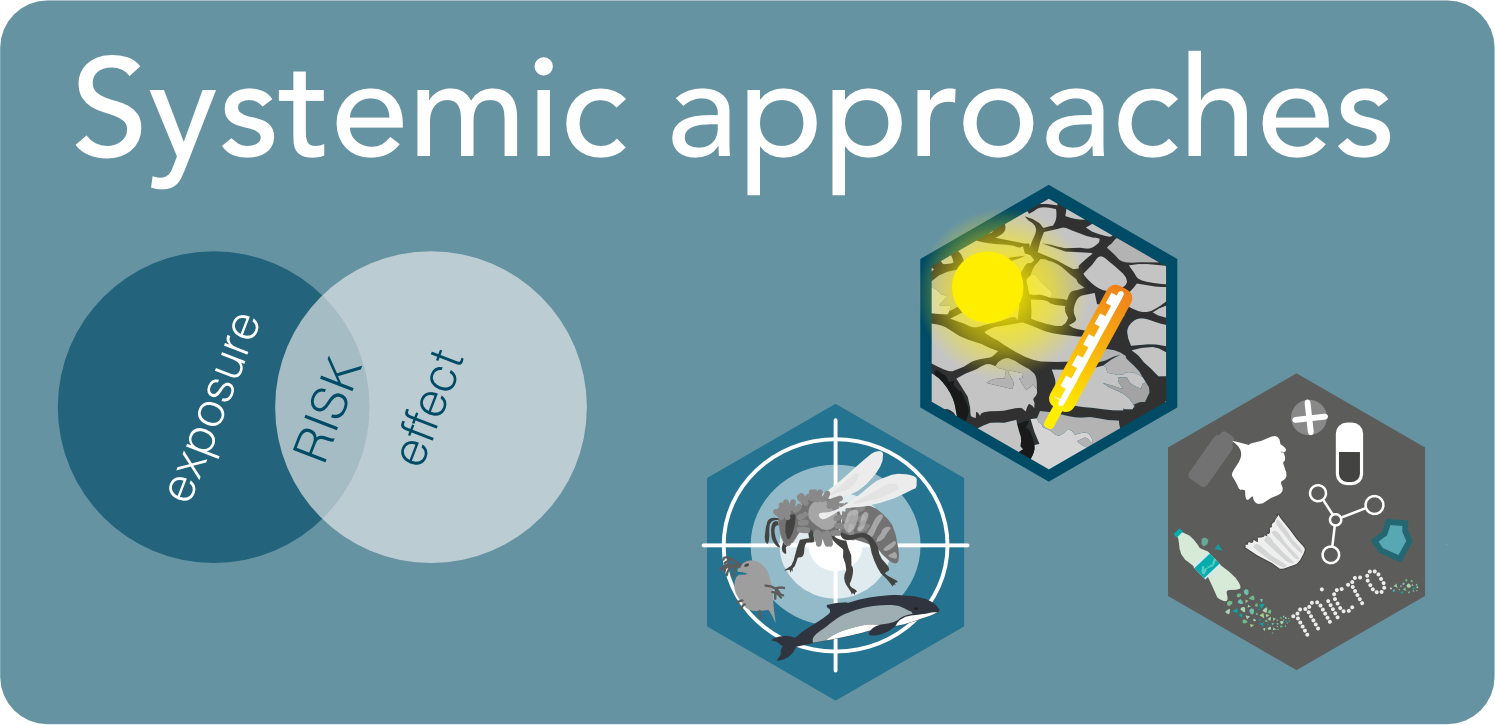
Plastics form part of the global pollution crisis but also have impacts on other crises like biodiversity and climate change. We address the complex interactions and develop systemic approaches for their management.
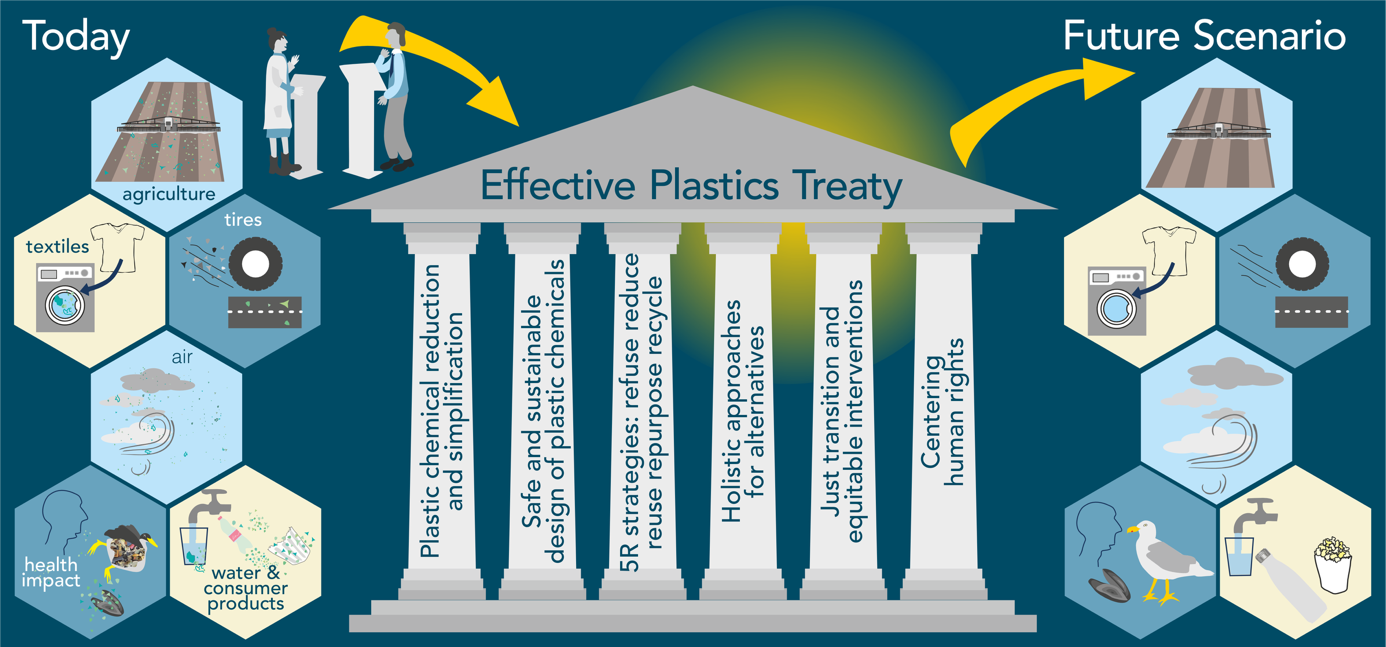
Plastic pollution is transboundary and an issue of global concern. Global solutions are thus needed to address this topic systemically. Negotiations for a global plastics treaty have been underway since 2022 facilitated by the UNEP. Despite several rounds of negotiations, no agreement has yet been reached, due to a deep divide between oil-producing countries and those with stronger environmental ambitions. The Scientists' Coalition for an Effective Plastics Treaty supports negotiators by synthesizing, translating and providing sound scientific advice. The Scientists' Coalition for an Effective Plastics Treaty counts on wide expertise of over 450 members from more than 70 countries who are following the negotiations and are addressing core topics in different working groups to synthesize the latest scientific findings on the global impacts of plastics, for example in fact sheets and policy briefs, webinars and discussions. Regularly updated conflict of interest declarations serve to avoid industry bias.
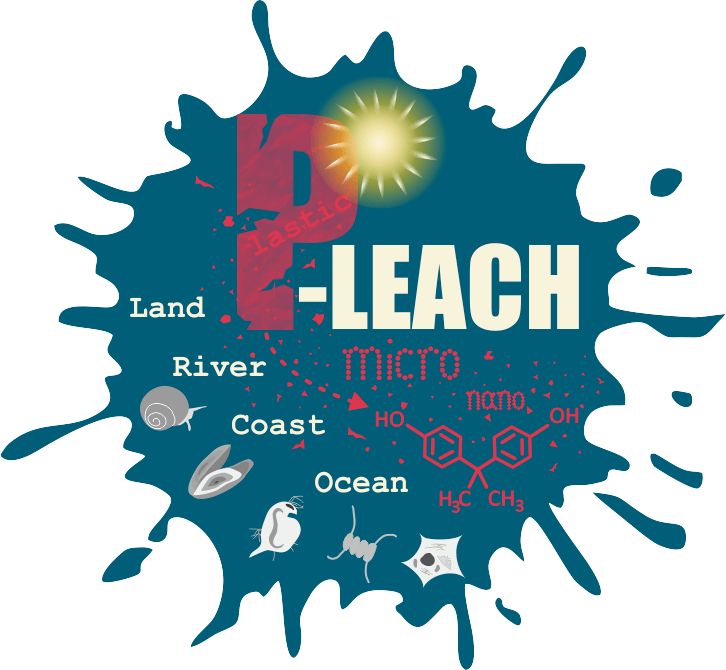

There is only a marginal consideration of nano- and microplastics under current regulatory frameworks. The development of risk assessment strategies considering the specific properties of plastic particles is required. This is the rationale of our activities, by integrating the research results from the other groups within the competence cluster. For example, microplastic environmental concentrations are related to effects observed in cell assays or aquatic ecotoxicology assays. A specific challenge for developing risk assessment strategies in the field is the joint consideration of nano-and microplastic particles, as well as the associated chemicals; and the integration of relevant transformation processes. A profound basis for risk assessment is high quality of studies and data, to ensure the use of reliable data, also the development of quality criteria specifically for nano-and microplastics and associated chemicals is part of our research.

The "Runde Tisch Meeresmüll" (RTM, „Round Table Marine Litter“) supports the implementation of measures preventing and reducing marine litter on a national level e.g. in the framework of the Marine Strategy Framework Directive as well as in concert with international provisions e.g. in light of the regional action plans on marine litter of OSPAR and HELCOM. Founded it 2016, the RTM is under the patronage of the German Ministry of the Environment, the Ministry of the Environment of Lower Saxony and the German Environment Agency (UBA). The management is carried out by the UBA and the Lower Saxony Water Management, Coastal and Nature Protection Agency (NLWKN) . The RTM represents an important platform to collect, distribute and discuss information to tackle marine litter from all sources among all relevant stakeholder groups involving around 130 experts amongst others from the sectors of fisheries, shipping, industry (e.g. plastics, cosmetics, tires, recycling), retail, science, education, tourism, NGOs, authorities, politics and arts.

Research team:
Around 130 stakeholders from various backgrounds contribute the work of the RTM
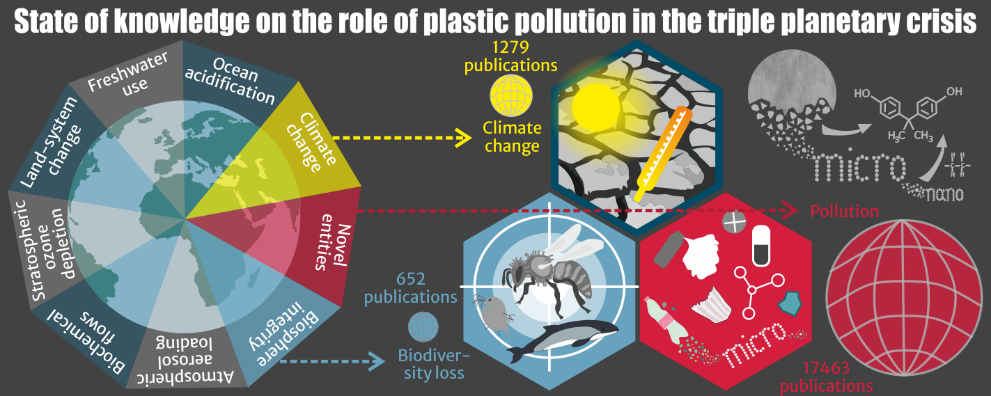
The triple planetary crisis describes the interplay of climate change, biodiversity loss, and pollution. Plastics are part of the pollution crisis, threaten ecosystems and human health and have been shown to accelerate climate change. We identified critical knowledge gaps regarding the plastics life cycle (resource generation, production, use, disposal), environmental release, exposure, hazard, as well as management of plastics and associated chemicals, including their links to climate change and biodiversity loss. We also developed recommendations for the largely absent regulation of plastic additives and plastics during the use phase. Our holistic perspective combines interdisciplinary expertise to recommend effective policy and risk management measures for plastics and associated chemicals.