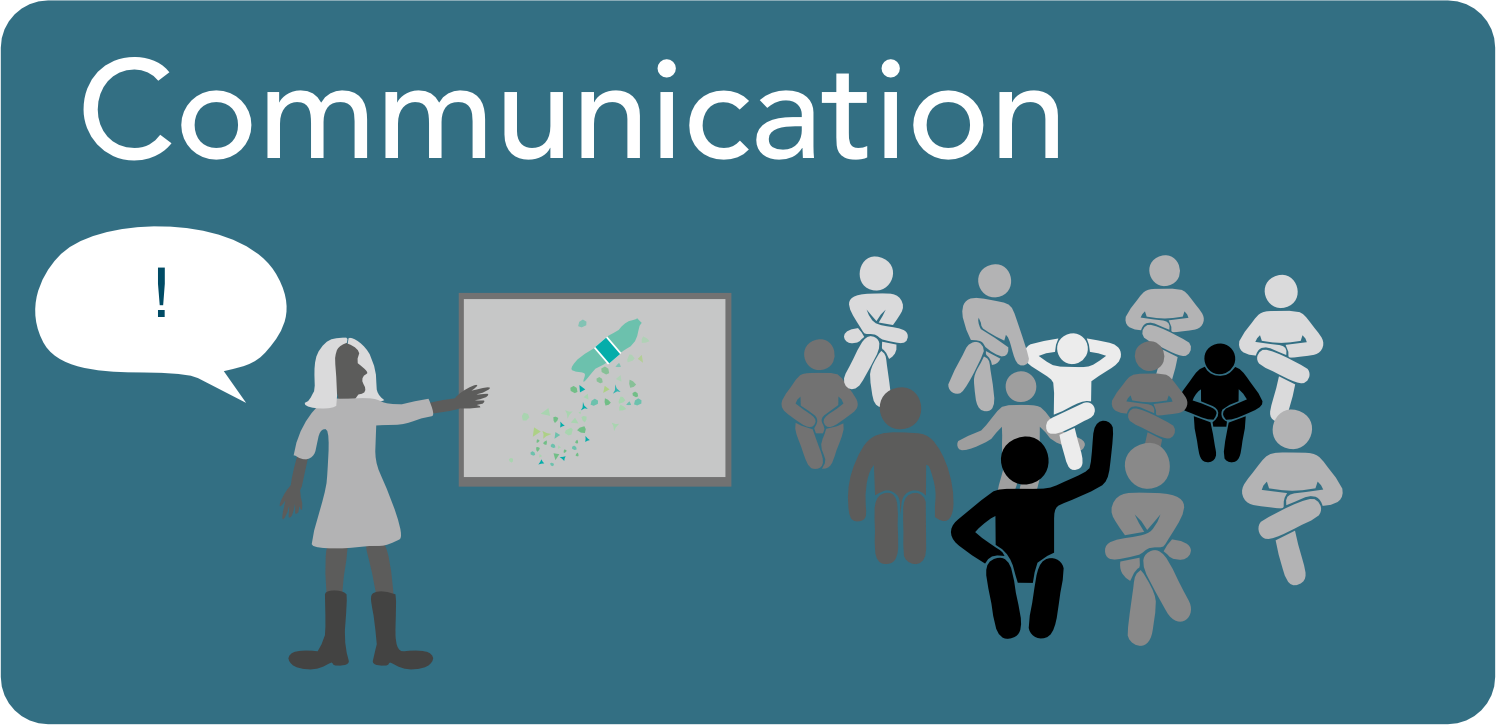
There is a wide interest in issues related with plastics, and communication with multisectoral actors is essential for developing sustainable solutions.
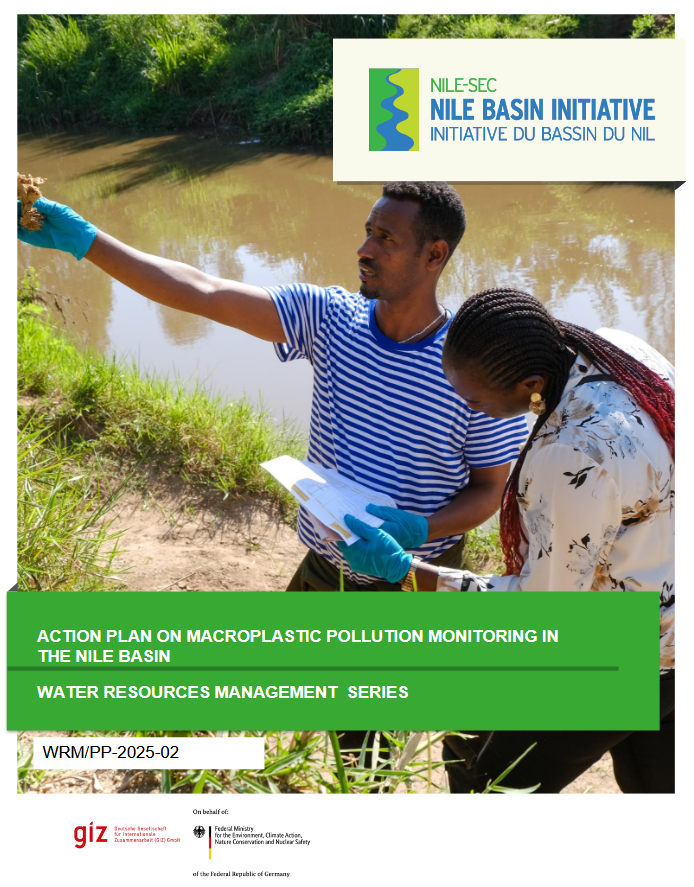
Plastic pollution in rivers and lakes requires reliable monitoring, but many countries face financial, technical, human-resource, and knowledge barriers. A key concept of the UNEP guidelines for Monitoring Plastics in Rivers and Lakes is therefore to start with practical, low-cost approaches, especially macroplastic monitoring using simple methods. Visual counting of floating plastics from bridges or shoreline debris surveys can generate useful and comparable data. Applications in the Rhine, Odaw, and Mekong rivers showed how simple, comparable methods can identify hotspots, trends, and retention zones of plastic debris across very different contexts. Work in the Nile Basin contracted by GIZ builds on these lessons by translating the guidelines into an action plan macroplastic monitoring. The pathway from guidelines to implementation translates scientific knowledge into practical monitoring approaches, generating crucial insights into plastic pollution across different river basins globally.
Macroplastic Pollution Monitoring in the Nile Basin Countries
UN Environment Program
Nile Basin Initiative

Der Leipziger Polymer Club ist ein offenes Forum für Dialog und Networking. Einmal jährlich treffen sich Wissenschaftler verschiedenster Disziplinen aus Leipziger Forschungseinrichtungen und Gastredner, um die neuesten Erkenntnisse aus der Polymer- und Kunststoffforschung zu diskutieren. Die Vorträge decken ein breites Themenspektrum ab, darunter der biologische und enzymatische Abbau von Kunststoffen, die Auswirkungen von Kunststoffen in der Umwelt, die Auswirkungen von Kunststoffzusätzen auf die menschliche Gesundheit und die Herstellung von biobasierten Kunststoffen. Alle Interessierten sind herzlich eingeladen, sowohl als Referenten als auch als Zuhörer.
Georg Künze
Dana Kühnel
Jörg Matysik
Severin Sasso
Mechthild Schmitt-Jansen
Links to agendas of past meetings:

Responsible conception, implementation and continuation of a lively platform for multidimensional (according to content and addressees) education about (micro)plastics. It is designed to provide well-structured information tailored to different addressees and their respective knowledge levels. It provides a reliable knowledge base for stakeholders, students, and the general public interested in environmental plastic pollution.
Dr. Lars Hildebrandt / ResearchGate
Dr. Daniel Pröfrock / ResearchGate
Department for Inorganic Environmental Chemistry, Helmholtz-Zentrum Hereon


A new quiz that aims to help bust myths and misconceptions around plastics in the global environment. As the topic of plastic pollution grows, so does the spread of misinformation. This tool addresses these issues by playfully testing the user's knowledge against scientific facts. The quiz has recently been updated and expanded with new questions to ensure it reflects current discussions and findings.
Dr. Lars Hildebrandt / ResearchGate
Dr. Daniel Pröfrock / ResearchGate
Department for Inorganic Environmental Chemistry, Helmholtz-Zentrum Hereon



At selected locations in the "Network of School Laboratories in the Helmholtz Association", learners and students learn about the problems that waste and especially plastic waste cause for the environment and thus also for the health of humanity worldwide. The basis for this is current scientific results from the (own) science centres. Springs, paths and depressions are located and addressed. Solutions are offered, tested and discussed in the school labs. Generation Alpha is working out what environmentally conscious consumption and lifestyle mean. The guideline reuse-reduce-recycled is being tested in practice and should be introduced in real life if possible.
https://www.ufz.de/microplastics
https://www.awi.de/arbeiten-lernen/aus-der-schule.html
https://www.awi.de/arbeiten-lernen/aus-der-schule/ins-schuelerlabor/opensea-helgoland.html
https://www.ufz-schülerlabor.de
https://www.hereon.de/central_units/quantensprung/index.php.de


This Nature Comment examines why negotiations toward a global plastics treaty have become deadlocked and how the process could still be redirected. It argues that the current impasse is not only political, but also procedural and structural. The authors show how fragmented negotiations, unresolved interdependencies, and weak procedural clarity have limited progress. They propose targeted reforms to improve prioritization, sequencing, and decision-making. The Comment offers a practical pathway for moving the treaty process from deadlock toward convergence.