
Plastics and associated chemicals can be transported over wide distances. Once in the environment, plastics are subject to diverse weathering processes that can alter their transport and potential impacts.
We track organic plastic-associated chemicals from sources to sinks, investigating their occurrence, distribution, transport, and fate, in various environmental matrices. Our research focuses on both emerging and legacy plastic additives, particularly replacement chemicals and previously overlooked transformation products, in coastal, marine and polar regions.
Our results support the assessment of chemicals with respect to long-range transport and persistence—key criteria for international regulation. They also help determine whether certain replacement chemicals represent substantial improvements or regrettable substitutions.
Contacts:
Hanna Joerss ORCiD

This topic focuses on the transport, migration, and environmental risks of microplastics and associated pollutants in soil and aquatic systems, investigating how environmental processes interact with microplastics to influence pesticide mobility and retention in agricultural soils and quantifying polymer-specific microplastic contamination in riverine, estuarine, and marine sediments by TED-GC/MS. Together, these studies aim to improve our understanding of how microplastics and co-occurring contaminants behave across different environmental compartments and to support more accurate pollution assessment.



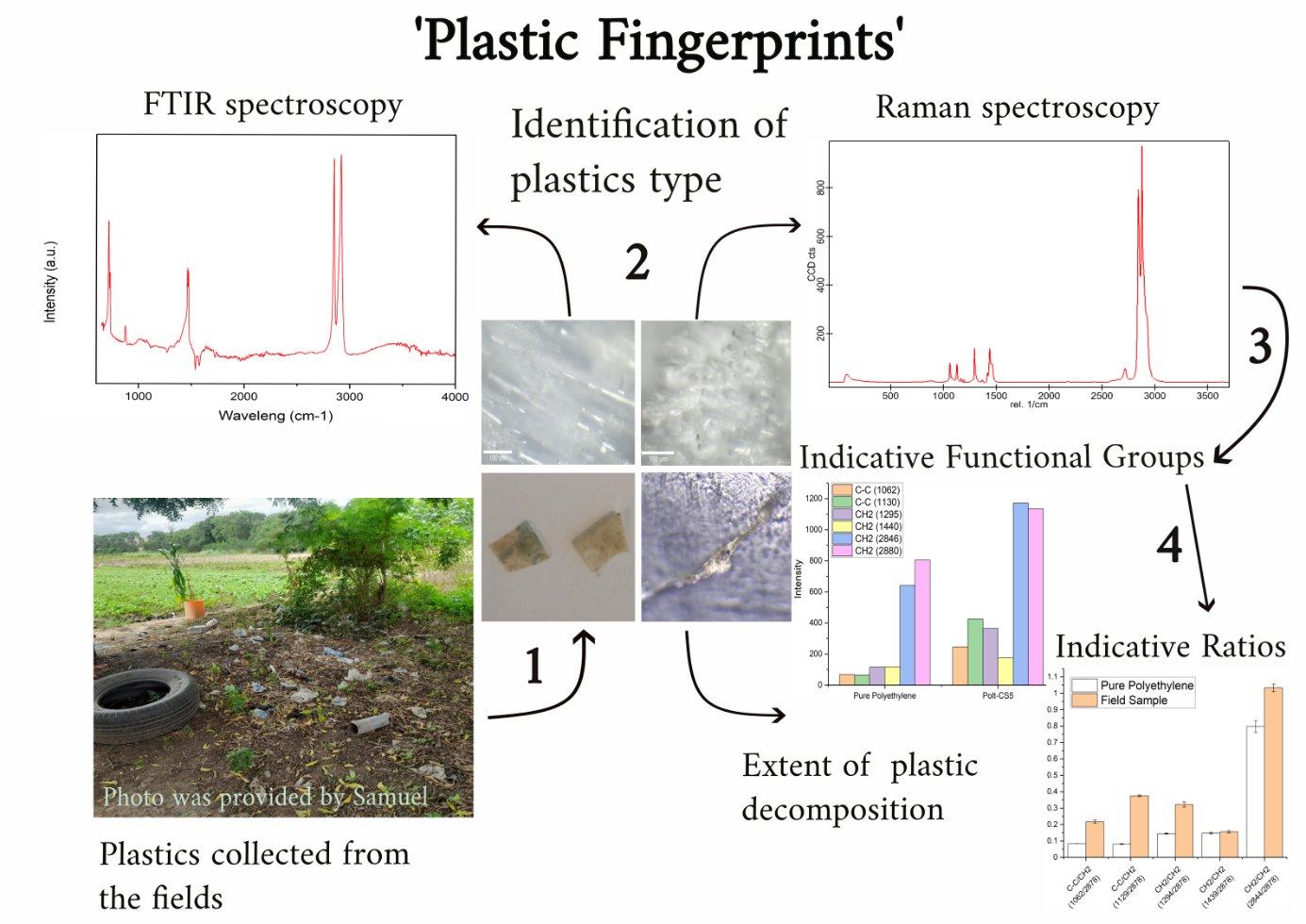
We use complementary information from FTIR and Raman spectroscopy to develop a monitoring framework to identify meso-and microplastic residues in soil and create a library of ‘plastic fingerprints’. We use the indicative functional groups ratios as a ‘plastic fingerprints’ tool to indicate the degradation stage of plastics in soil. We also evaluate how soil organic matter is altered in the course of decomposition of bio-degradable plastics.
Evgenia Blagodatskaya
evgenia.blagodatskaya@ufz.de
Shihao Huang
shihao.huang@ufz.de
Research team:
Matthias SchmidtHryhoriy Stryhanyuk
Nadiia Yamborko

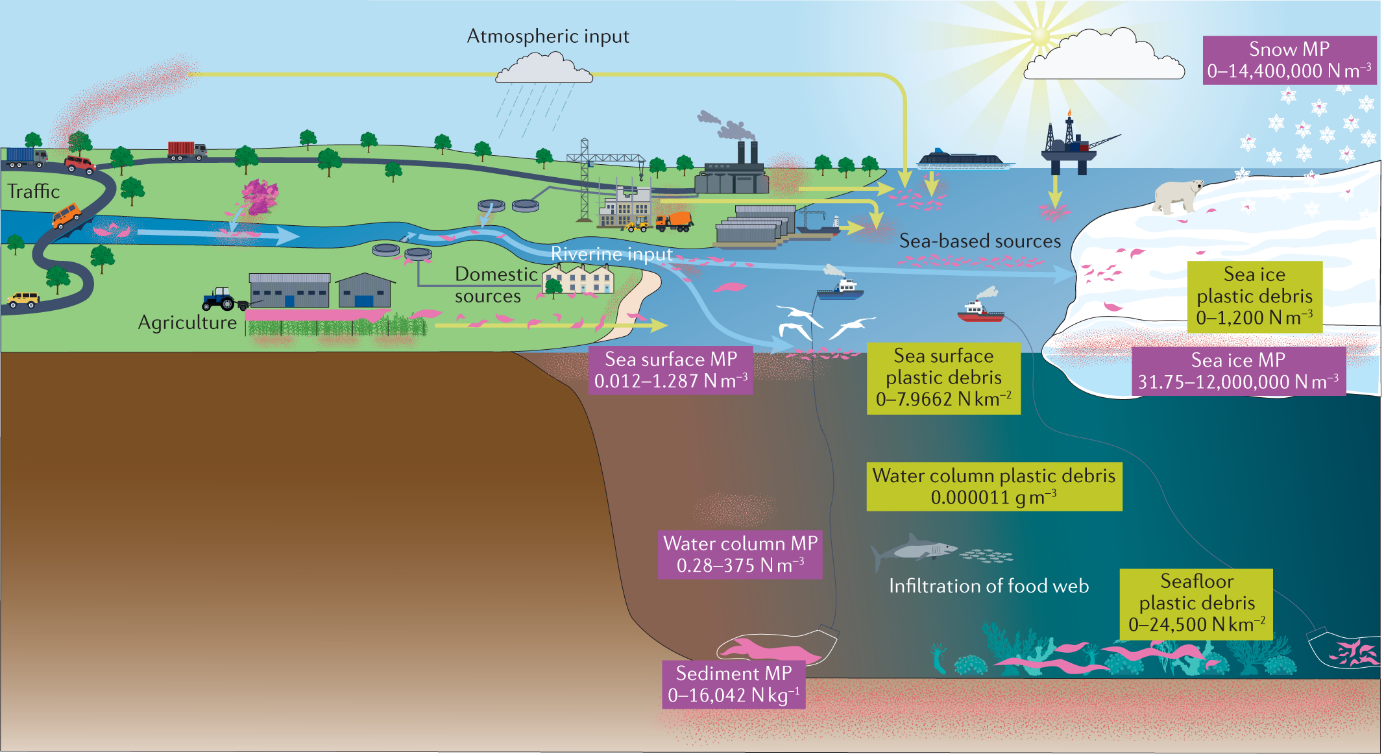 Source: Bergmann, M., Collard, F., Fabres, J., Gabrielsen, G.W., Provencher, Jennifer F., Rochman, C., Van Sebille, E., Tekman, M.B., 2022. Plastic pollution in the Arctic. Nature Reviews Earth & Environment 3, 323–337. https://doi.org/https://doi.org/10.1038/s43017-022-00279-8
Plastic pollution has become ubiquitous, even in remote regions. Our research has shown that it prevails in all spheres of the Arctic including the cryosphere, sea water, seafloor and beaches in quantities similar or exceeding those of more developed regions. Growing levels of marine debris on the deep seafloor support the projections of models that predict plastic accumulation in the Arctic, which is considered an early-warning system. Increasing levels of smaller particles due to fragmentation of existing plastics will burden sensitive ecosystem and might accelerate climate change. As Arctic ecosystems and communities are already threatened by four times faster warming, it is particularly important to quantify additional stressors such as plastic pollution to inform policy making.

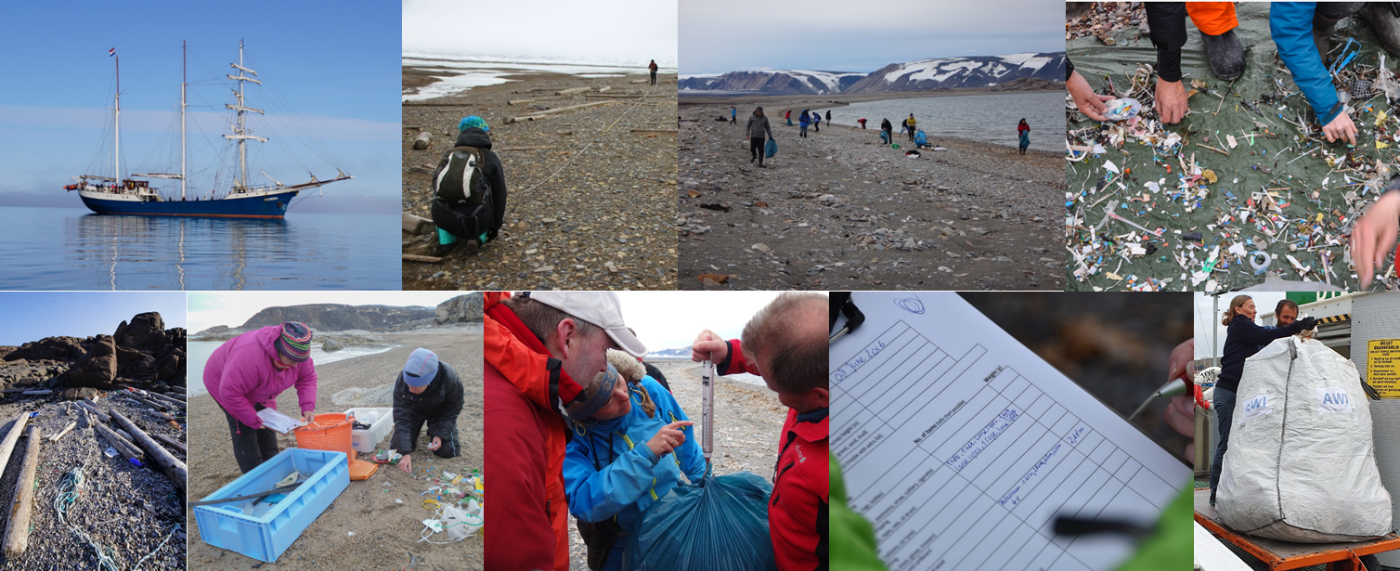 Credit: Birgit Lutz
Participatory or citizen science is an important tool to democratize science, transfer knowledge to society and advance our knowledgebase. The topic of plastic pollution lends itself particularly well to citizen science. It is a very tangible issue that many people are intrinsically motivated to tackle, and they do not require much training due to their day-to-day experience with plastics. The pilot project Mikroplastik Detektive (2020-2022) highlighted the potential of such work: A partnership with German citizens provided the first standardized nationwide assessment of microplastics along the German coast. Citizen science with cruise tourists has also helped to quantify marine debris along Arctic beaches and surface waters, to identify its origin and to quantify microplastics in beach sediments and snow. Ongoing work will analyse microplastics in fecal samples from Arctic beaches collected by citizens.

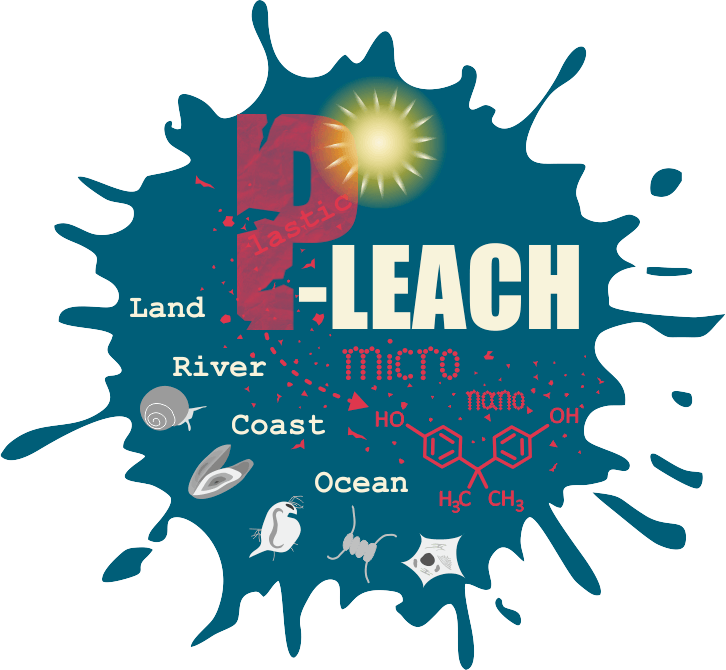
Understanding the fate of plastic additives is essential for accurately assessing their environmental risks. Our modeling approaches explore how these substances leach from polymer materials into the environment and living organisms. By integrating both kinetic and thermodynamic frameworks, we capture processes under realistic conditions as well as in worst-case scenarios. This enables a more robust and comprehensive evaluation of additive release, distribution, and potential exposure pathways.
Projects:

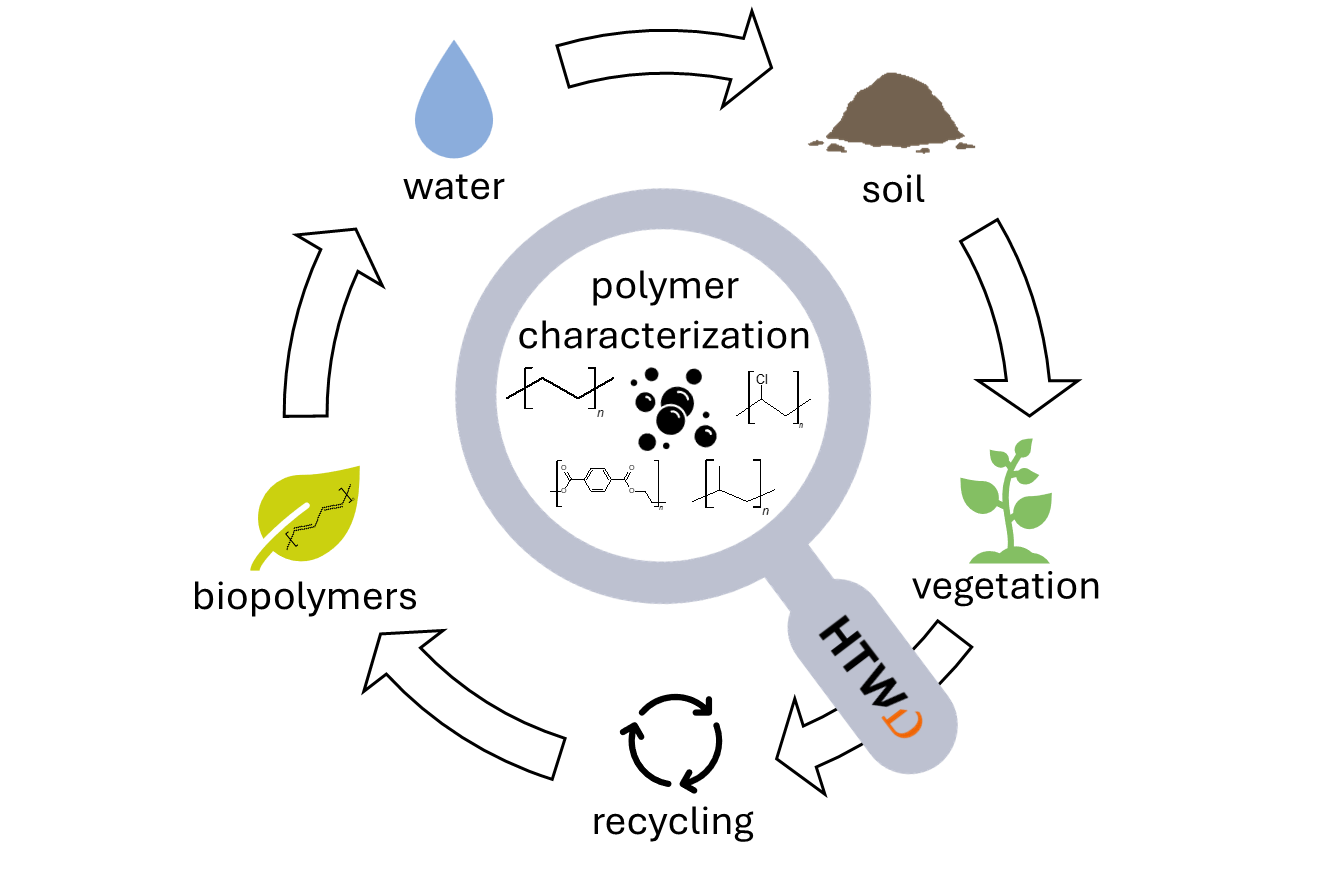
The Collaborative Laboratory provides infrastructure to assess the environmental behavior of polymers in water-soil-vegetation compartments. We develop solutions for the plastic crisis by environmentally sound polymer materials, advanced plastic recycling and nature-based remediation approaches. Our competences include production of micro- and nanoplastic reference and test materials, thermo-analytical methods (DSC, TED-GC-MS), spectroscopic methods (FTIR- and LDIR-microscopy), flow cytometry and laboratory and test facilities to asses plastic pollution in the environment. Our facilities include a research groundwater well, flotation, flocculation, filtration and soil respiration setups and our own green houses. We combine expertise in polymer chemistry, drinking water treatment and monitoring, soil sciences, plant biology, and biodiversity assessment.
Kathrin Harre (polymer chemistry)
Katrin Harre
ORCiD
Thomas Grischek (water management)
Thomas Grischek
ORCiD
Research team:
Lucas Kurzweg (team leader microplastic)

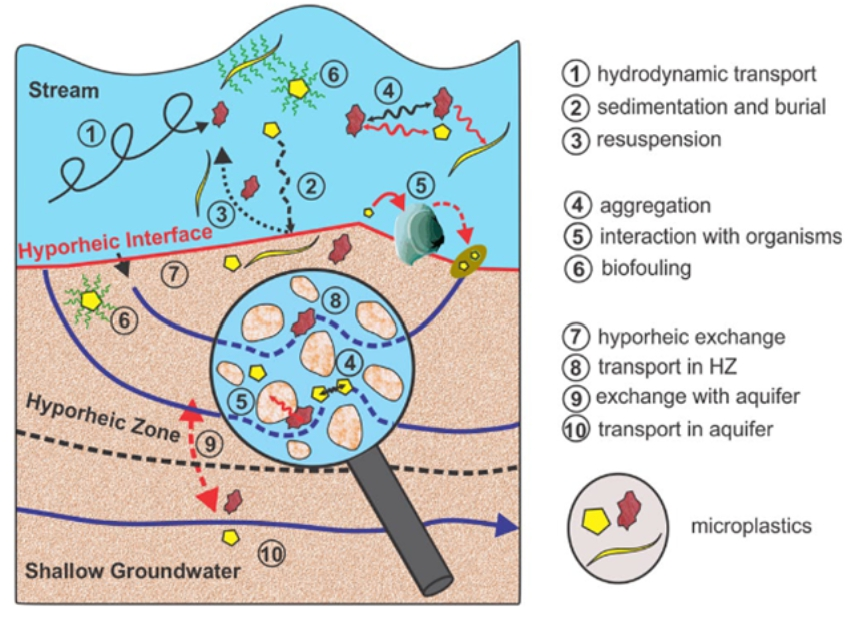
Rivers and lakes are important pathways and sinks for microplastics (MP) in inland areas. We therefore investigate the fundamental transport mechanisms and pathways to improve the understanding of transport and fate of MP in these ecosystems. For lake environments, the particle transport and spatial distribution is investigated. Field experiments deliver valuable insights on the relevant processes. The findings are enriched and with accompanying numerical studies. In rivers, we focus on the transport of particles at the interface between surface water and the riverbed sediment, as well as the mobility of MP in within the sediment. We track the propagation of MP with in the sediment body in a laboratory flume. The work allows us to determine conditions under which riverbed sediments are sources or sinks for MP.
Links:
CRC 1357 Mikroplastik (2019-2026), funded by DFG (German Research Foundation) – Project Number 391977956
Jan H. Fleckenstein
Katrin Wendt-Potthoff
Research team:

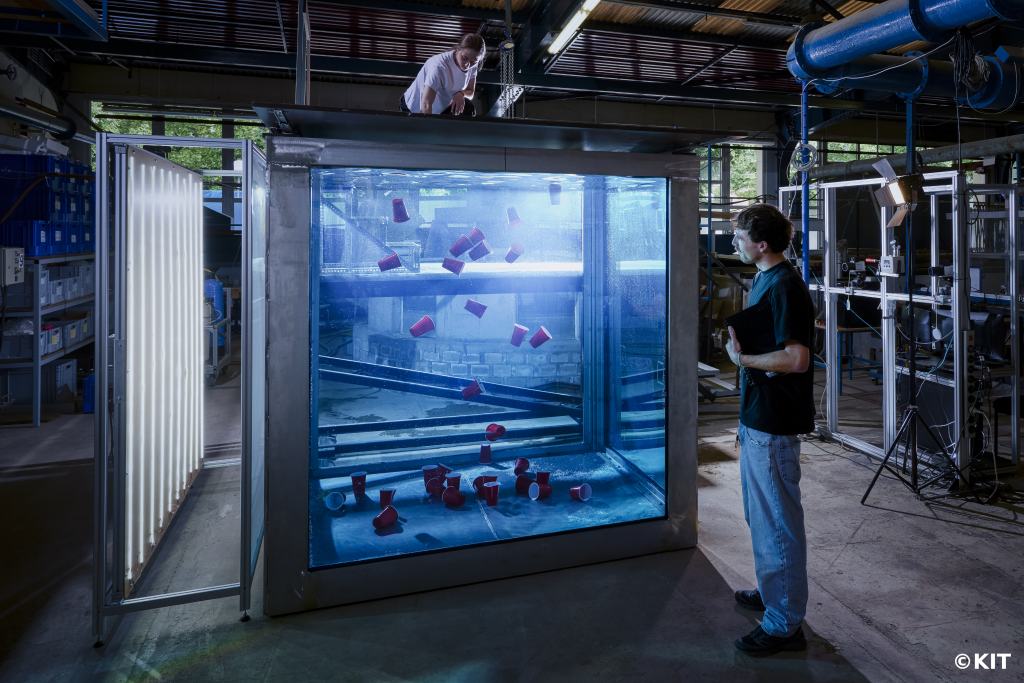
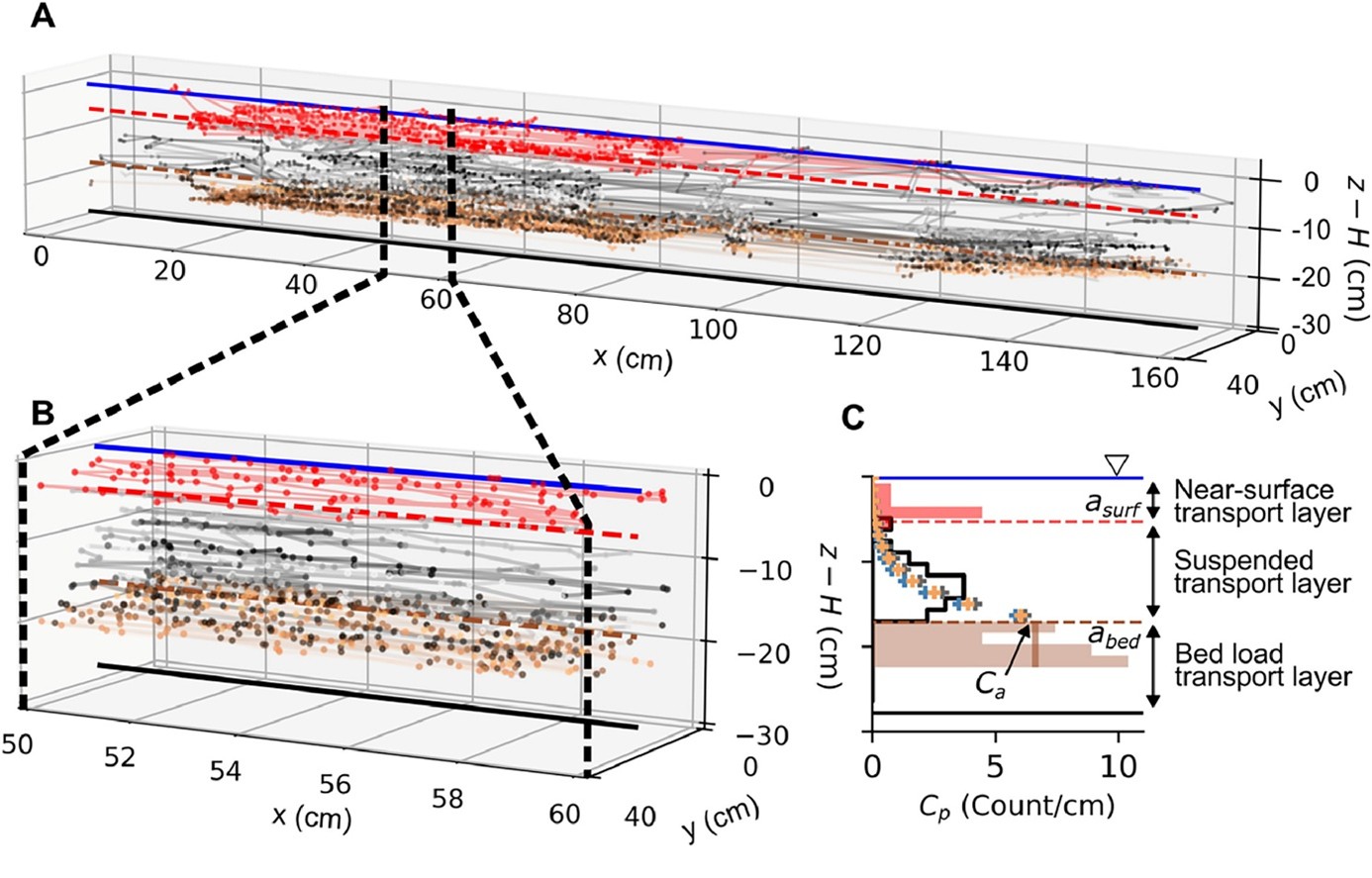
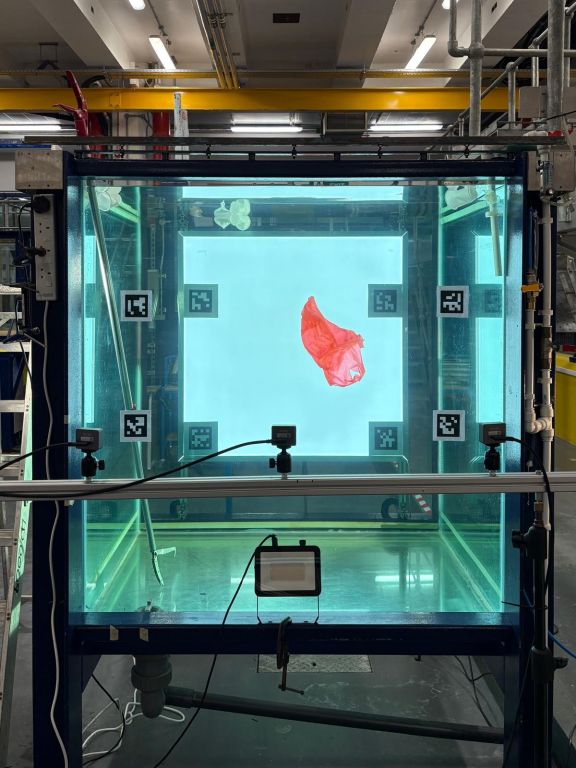
Our research investigates the mechanics of transport of macro- and micro-plastics at the particle scale. This includes characterising bed, suspended, and surface load transport of litter, as well as parameterising key variables such as settling and rising velocities. We achieve this using large-scale hydrodynamic flumes and settling tanks, equipped with multiple high-speed cameras capable measuring the three-dimensional motion of plastic litter. The ultimate goal of this experimental research is to provide closure models for plastic transport to be implemented in hydrodynamics solver (Shallow-Water equations). These models will be able to simulate plastic movement, enabling the identification of accumulation zones, quantification of riverine plastic fluxes, and the design of effective monitoring and mitigation strategies.
Mechanics of Plastic Transport - KIT
Funding:
Alexander von Humboldt Foundation Research Fellowship (Dr. James Lofty): Unravelling the settling and rising dynamics of riverine microplasticDeutsche Forschungsgemeinschaft (DFG) - Project number 544497445 (Daniel Rebai): InMoBed: Inception of Movement and Bedload in MacroPlastics

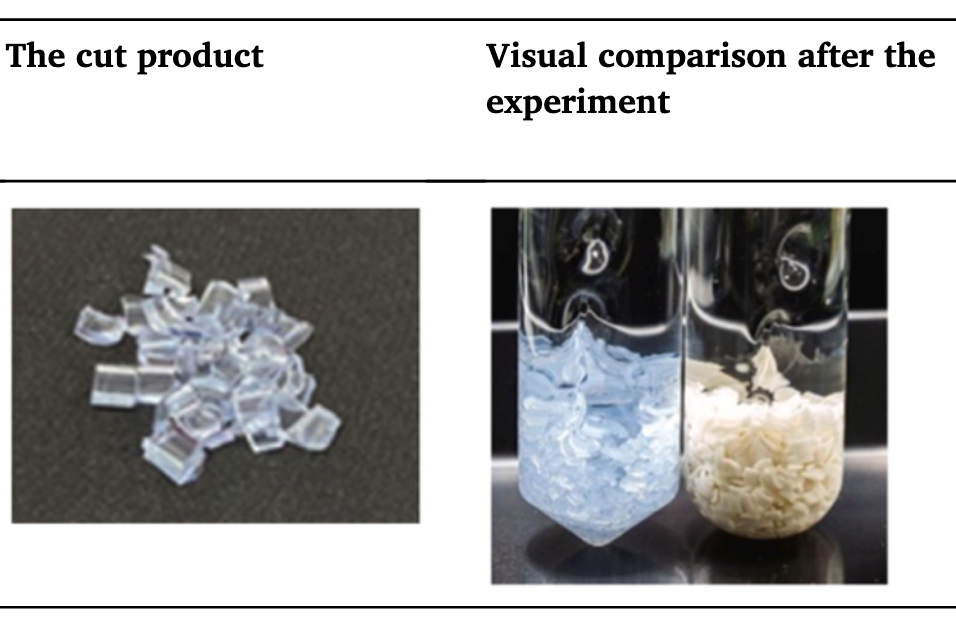
Whereas initial research focused on new, spherical plastic particles, it was quickly recognized that an initial organic layer instantly covers the particle’s surface, the so-called eco-corona, which is followed by the formation of a biofilm. Over time, irradiation by UV light and mechanical stress, e.g. by wave action, have an impact on the plastic properties, amongst others leading to cracks and other surface effects. Diverse biotic and abiotic factors have impacts on the weathering of the plastics, resulting in changing properties and behavior which alters their transport and fate. Our research efforts have focused on the impacts weathering has on the plastic particles, the liberation of associated chemicals, transport and fate, both in laboratory simulations and the field.
Research team:
Dana Kühnel
Mechthild Schmitt-Jansen
Katrin Wendt-Potthoff
Alexander Böhme
Projects
www.ufz.de/micro-fate
www.ufz.de/p-leach
https://jpi-oceans.eu/weather-mic/about

This work examines the distribution, transport, and fate of microplastics in the coastal and open ocean. Activities involve field sampling during numerous research expeditions in the North Atlantic Ocean, European seas (especially the North Sea), and the Arctic Ocean. Sampling techniques focus on particle sampling with nets and in situ pumps, as well as water sampling for small particles and dissolved chemical leachates.
Cruises: