
Science Service for Biodiversity
Lessons from 30 Years of Biodiversity SPIs in Europe
On 17–18 December 2025, over 75 participants gathered at the Research Executive Agency (REA) in Brussels to reflect on more than 30 years of science–policy interfaces (SPIs) for biodiversity and to discuss future directions, with a particular focus on the Science Service for Biodiversity.
The event was funded and organised by the UFZ (NSF - BSPI team) and co-organised with Eklipse, BioAgora, and colleagues from the European Commission.
A highlight of the event was the participation of 13 SPI pioneers - key actors from the European Commission and the research community - who have helped shape today’s SPI landscape and co-develop the concept of the Science Service for Biodiversity.
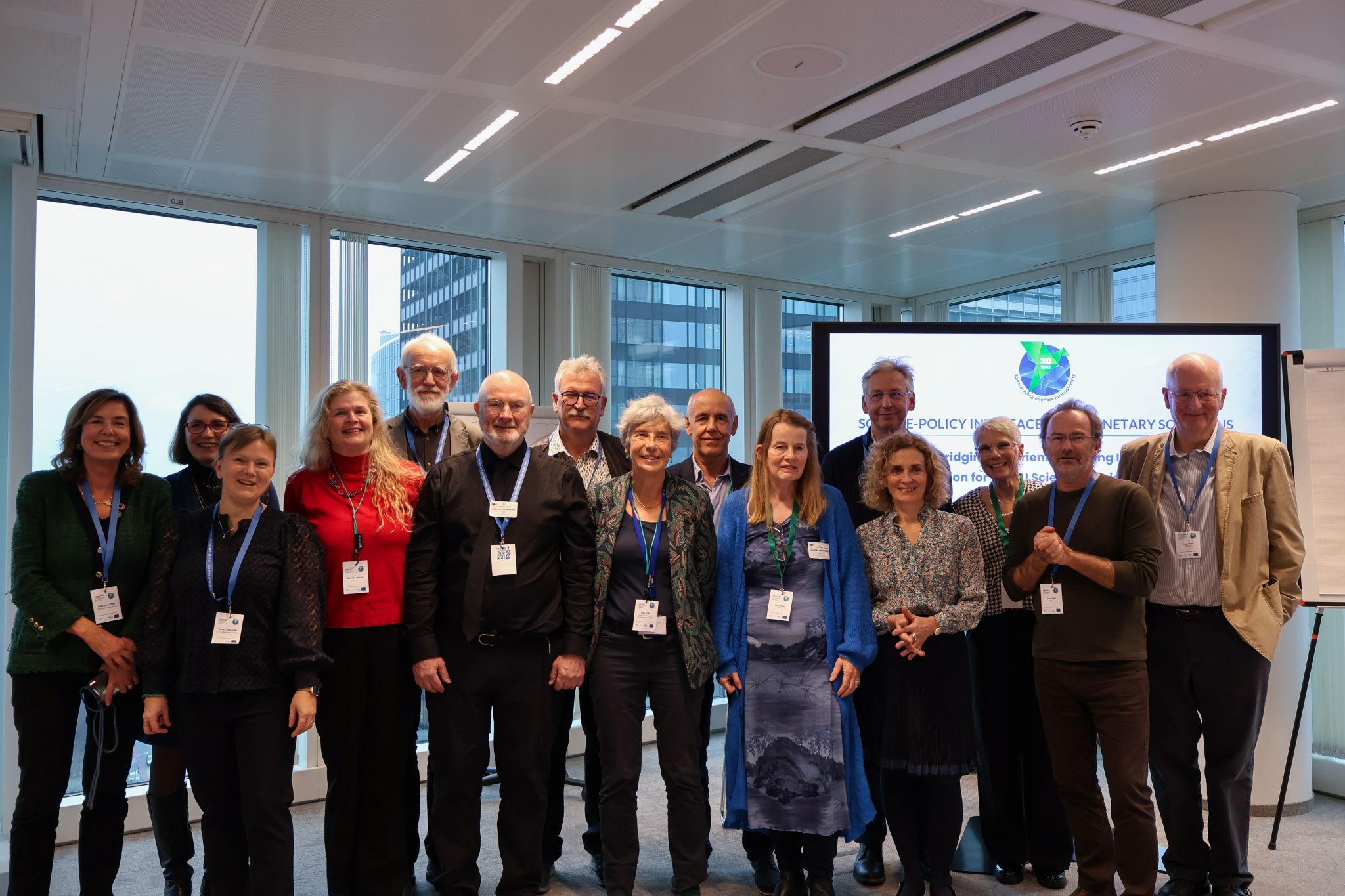
The event brought together a balanced mix of policymakers, researchers, and knowledge brokers, creating a unique space to reflect on past experiences and to explore how this shared legacy can inspire future action, collaboration, and impact.
Representatives from major SPI initiatives—including The Montpellier Process, IPBES, SAM, JRC/KCBD, Biodiversa+, Eklipse, EEA (ETCs), the EC-EIPM Community of Practice, and Feedback2Policy (F2P)—shared their experiences and lessons learned.
Discussions focused on success factors, remaining challenges, and pathways forward for SPIs. A key conclusion was that the Science Service for Biodiversity is mature, building on its strong history, co-development, and proof of concept. The next step is to formally structure and operationalise the SSBD.
The event concluded with the identification of concrete follow-up activities to strengthen future science–policy collaboration for biodiversity.
Key Insights
Effective science–policy interfaces (SPIs) depend on vision, trust, engagement, courage, and preparedness - combined with honest reflection and a willingness to adapt to increasingly complex political and societal realities.
- Science alone is not enough: Evidence only leads to change when combined with compelling narratives, clear communication, and actionable solutions.
- Change happens through a combination of individuals and collectives: While individual champions matter, lasting impact depends on mobilising a broad “army” of actors, including less visible researchers, civil servants, practitioners, and citizens.
- Trust in SPIs is built through sustained interaction, not one-off exchanges: Regular, structured, and personal engagement between scientists and policymakers fosters mutual understanding and long-term collaboration. Trust-based co-creation is non-negotiable. Effective science–policy impact depends on shared values, transparency, iterative learning, and mutual respect between scientists and policymakers.
- Advocacy is unavoidable in difficult times: Bringing scientific evidence into policy spaces often requires courage, persistence, and strategic advocacy, especially when dominant narratives focus narrowly on economic growth.
- Human factors and courage are decisive: Personal values, emotions, life experiences, and trusted messengers strongly influence decision-makers—often more than formal evidence alone. Progress has historically been catalysed by brave individuals; future transformation requires fearless, authentic leadership that challenges hierarchies and self-reinforcing systems that limit change.
- Honesty and self-reflection are critical: Acknowledging failures, backlash, and limits of past approaches is essential for learning and credibility.
- Windows of opportunity are cyclical: Political contexts fluctuate; preparedness and resilience are needed to act quickly when opportunities arise, and when science/acquis has to be defended.
- The Science Service for Biodiversity works, now we urgently need to institutionalise it. The mechanism is mature and passed the test of proof of concept; the priority now is formalising, operationalising, and protecting robust processes so science can play its full role in the policy making process.
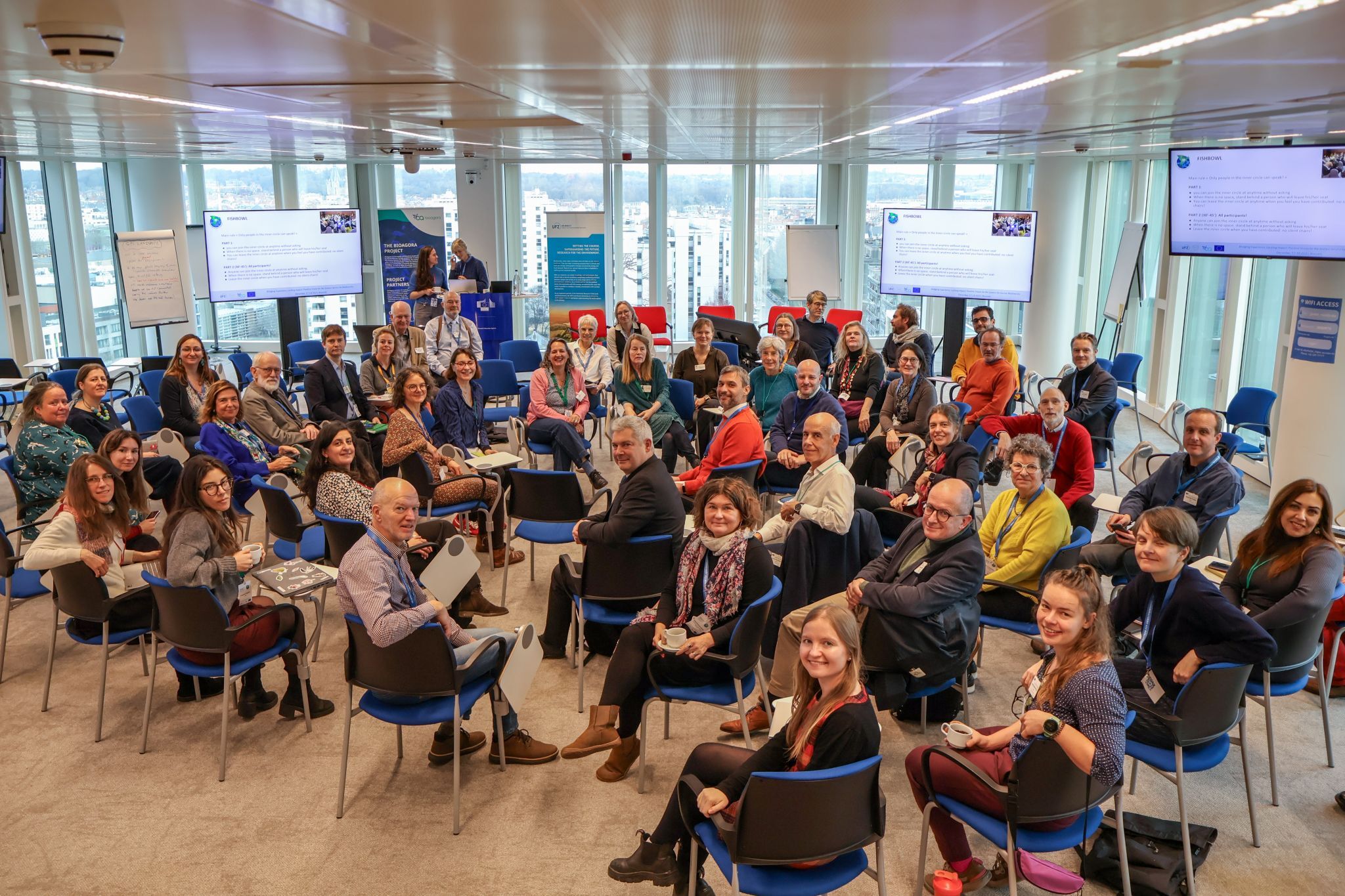
We warmly thank all participants for their inspiring contributions, engaged discussions, and openness in challenging ideas and perspectives. All relevant materials can be accessed following this link using the username and password that was sent in the follow-up email after the event.
If you have any questions related to this event, please contact Marie Vandewalle marie.vandewalle@ufz.de