
River Floodplains as Natural Carbon Dioxide sinks in Saxony-Anhalt
The project if funded by the Ministry of Science, Energy, Climate Protection, and Environment of Saxony-Anhalt
Floodplains are complex ecosystems where surface water and groundwater interact. They are inherently dynamic environment that host the highest biodiversity in temperate regions and are shaped by a number of natural and anthropogenic processes. They are also regarded as significant sinks of atmospheric carbon. Yet, they remain understudied because their spatial heterogeneity and temporal variability makes it difficult to constrain biogeochemical fluxes accurately.
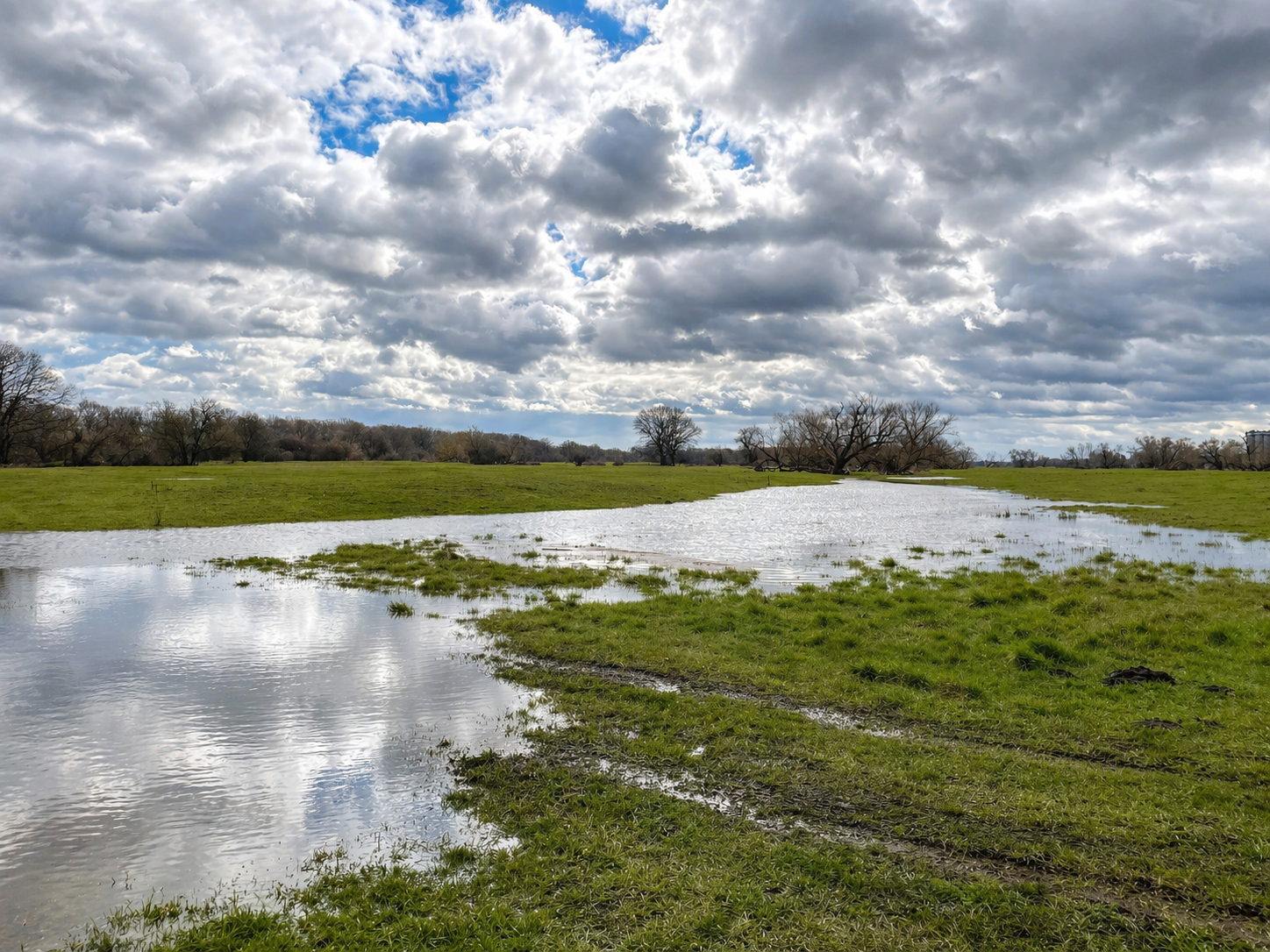
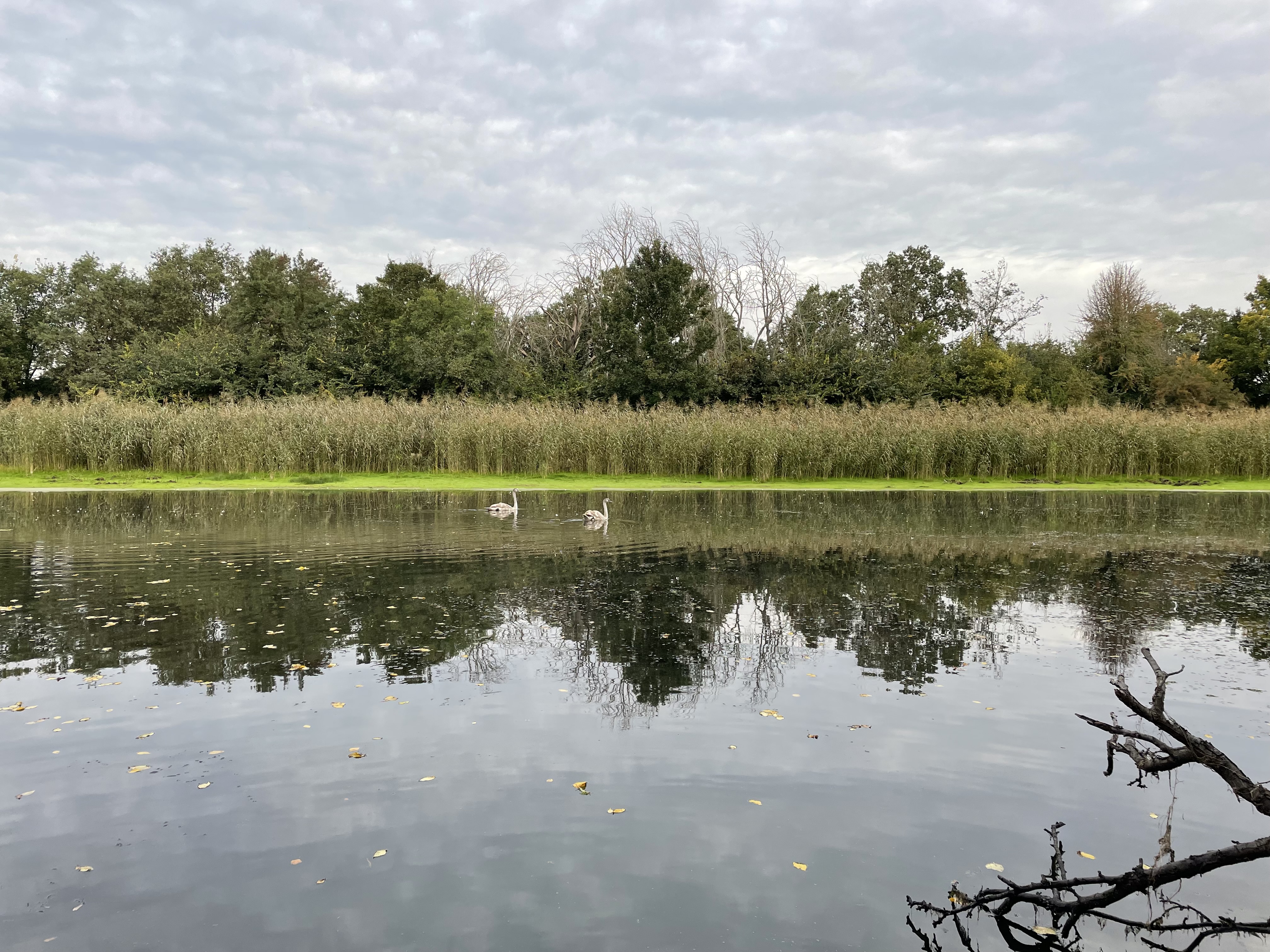
This project focuses on the components of the carbon cycle within floodplains. We stated our samplings in March 2026. We are open for collaboration! If you are planning a field study or experiment, we would like to hear from you.
The floodplains near the city of Magdeburg, Saxony-Anhalt, have been selected as study sites for our investigation.
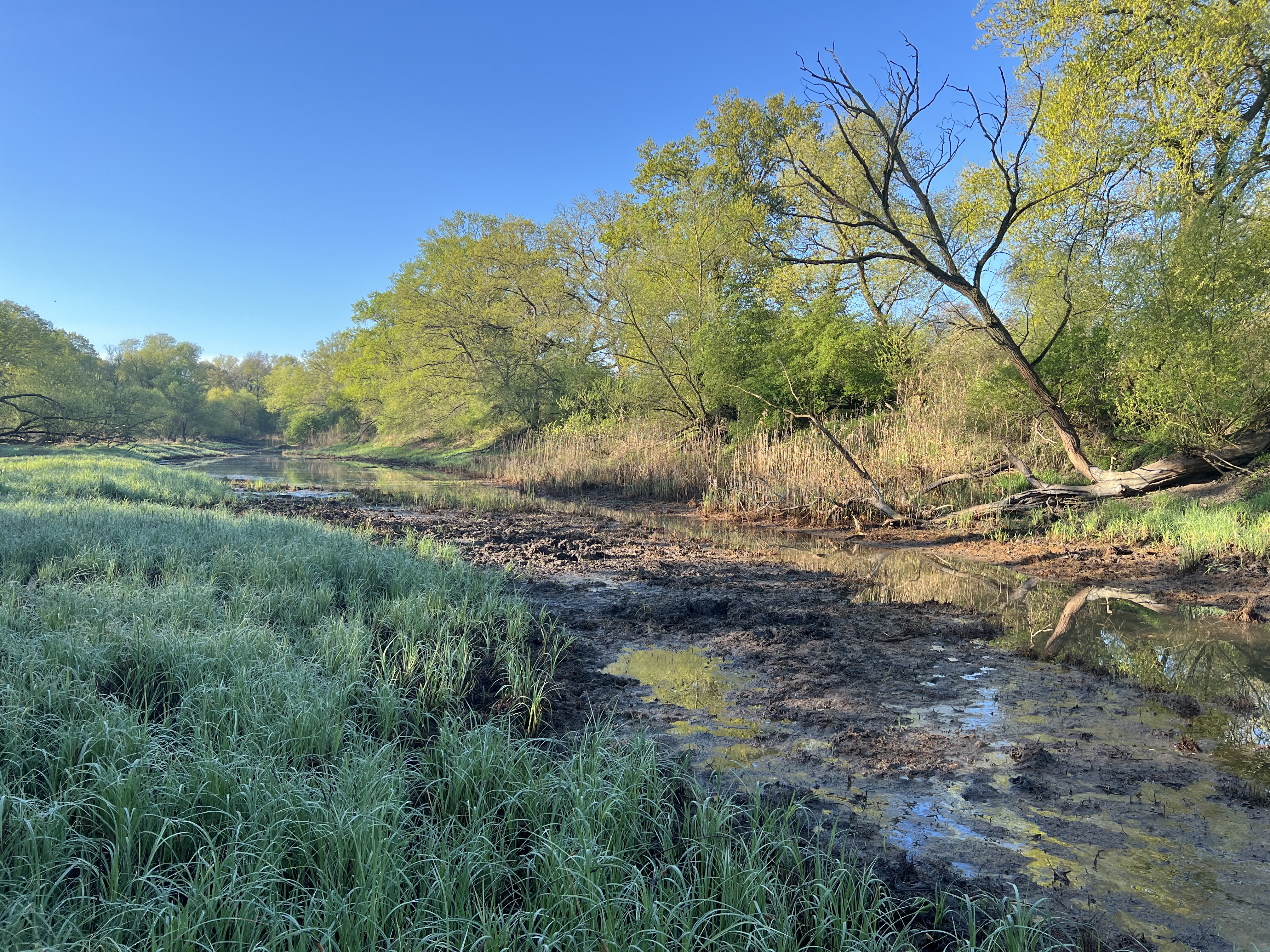
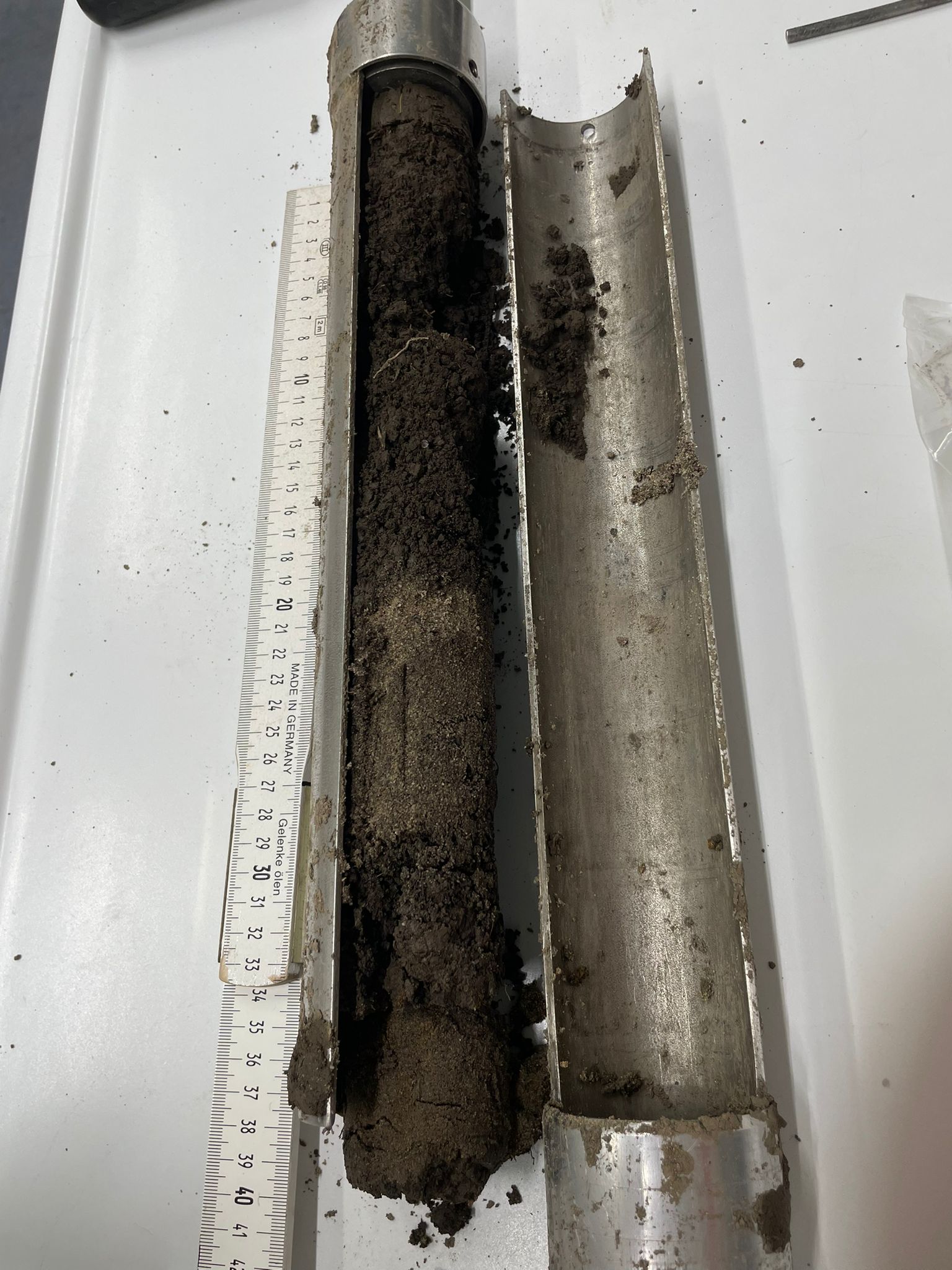
The first objective of the project is to quantify the amount of flood-derived particulate organic carbon (POC) transported to the floodplain area. Heavy metals concentrations and radioactive isotopes (137Cs) are analyzed in soil cores as well as lake sediment for dating purposes. Sequential extraction on organic carbon is carried out to inquire the origin and long-term stability of carbon compounds.
The second objective of the project is to evaluate dissolved organic carbon (DOC) deposition during flooding. Water is collected from the inflow and outflow of lakes and concentrations of DOC are weighted by the water flow.
Finally, the third task of the project is to extrapolate our findings to the floodplain areas in Saxony-Anhalt. The upscaling accounts for the delineation of floodplain landscape, floodplain typological areas, and the following assignation of carbon stocks and storage rates to every area.