Air Quality Sensor Network Leipzig
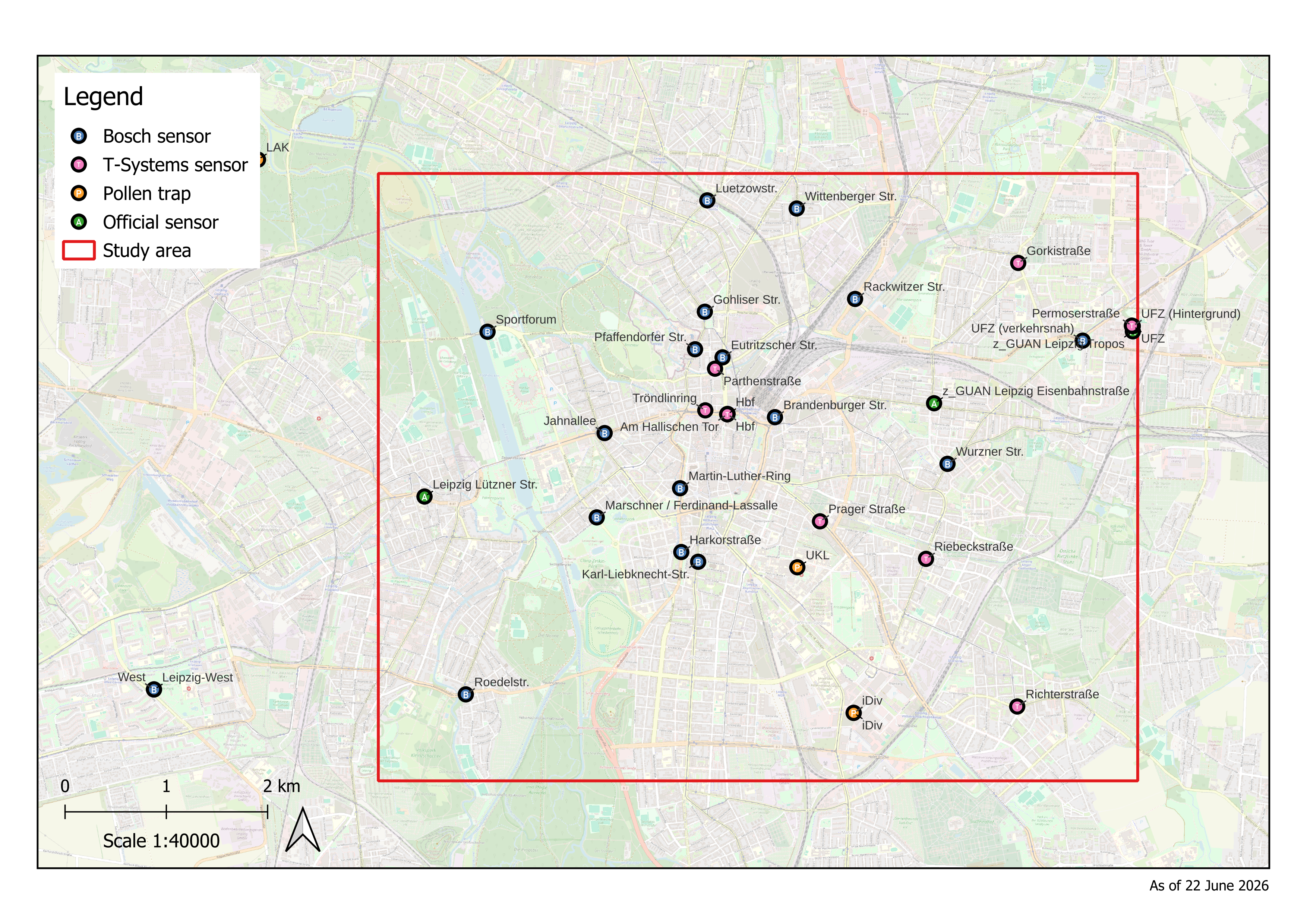
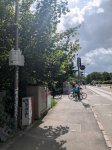
So far, 30 sensors from the sensor providers Bosch and T-Systems have been installed. On the map, they are color-coded and outlined in black for distinction. Several sensors were installed at reference stations operated by the Saxon State Office for Geology, Environment, and Agriculture (LfULG) for colocation purposes. Thanks to proactive and constructive collaboration with various authorities of the City of Leipzig, it was possible to mount the sensors on existing infrastructure. To ensure the required minimum height of 2.5 meters and a reliable power supply, the sensors were installed on streetlights and parking guidance signs.
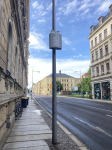
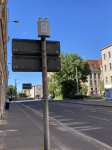
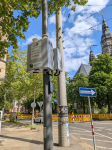
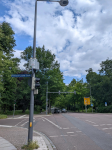
.JPG.png)
.JPG.png)
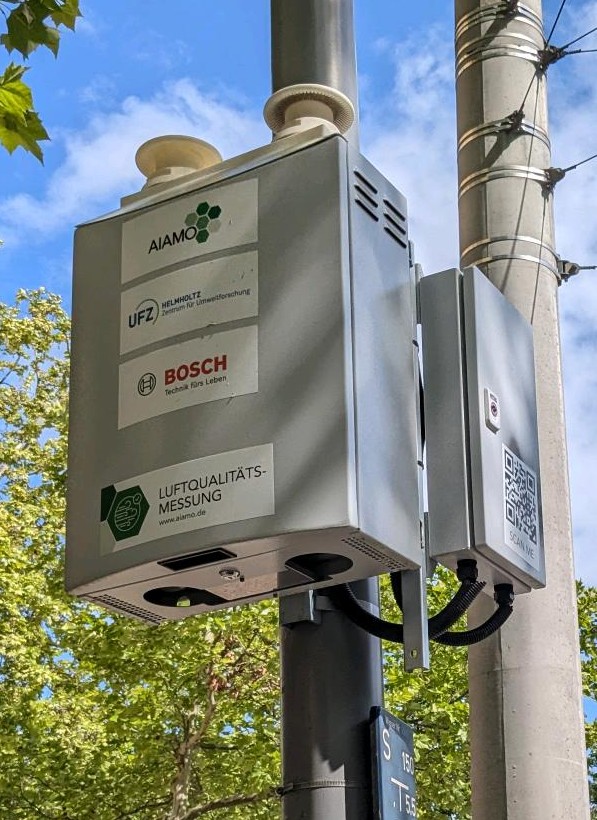
Bosch sensor
The environmental monitoring stations provided by consortium partner Bosch (IMB, Immission Measurement Box) measure not only particulate matter (PM2.5 and PM10) and nitrogen dioxide (NO₂), but also ozone (O₃), carbon monoxide (CO), sulfur dioxide (SO₂), temperature, and relative humidity. The measurement boxes transmit environmental data every minute.
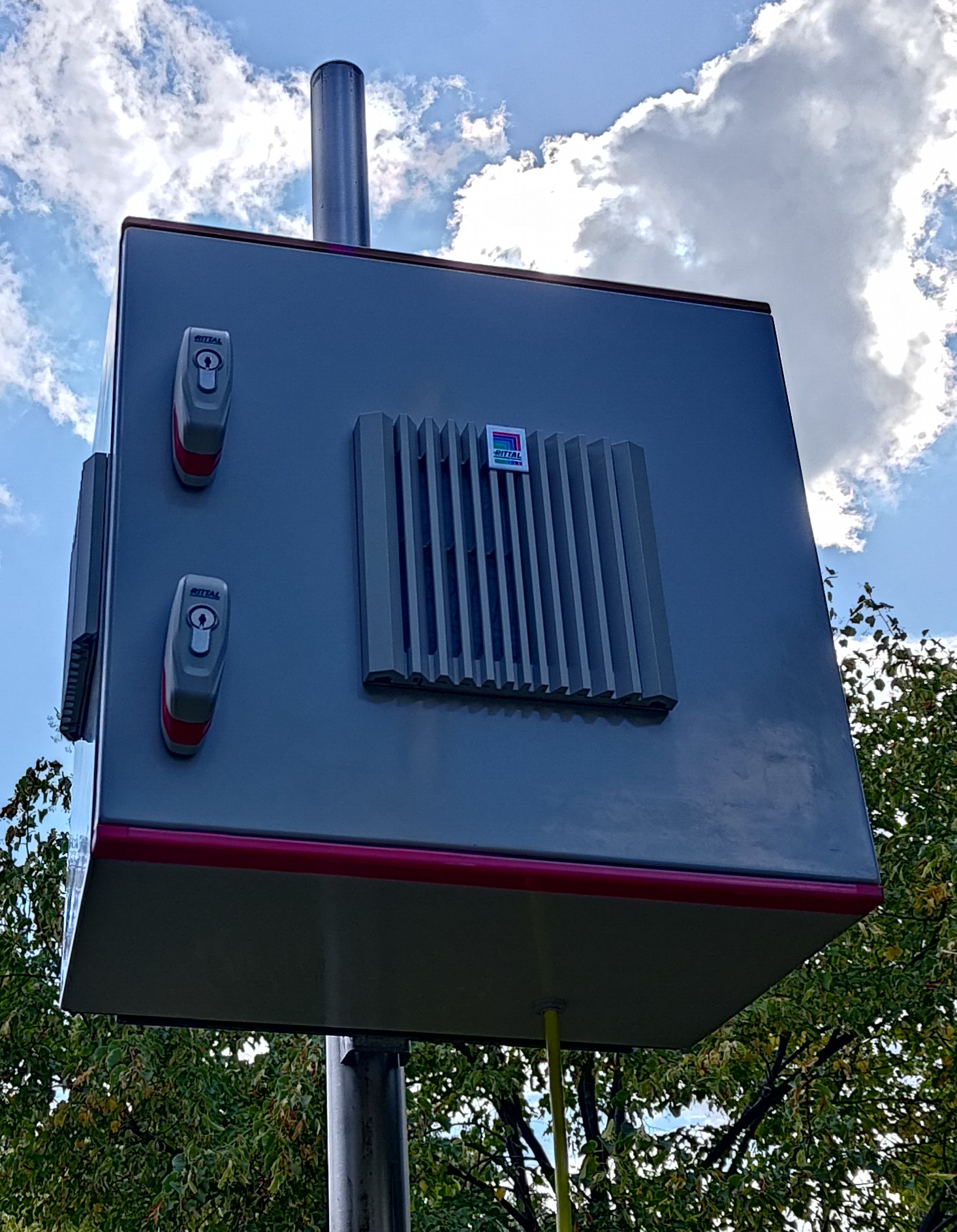
T-Systems sensor
The AIRCULES measurement boxes developed by T-Systems capture the same set of variables as the Bosch sensors, with the additional capability to measure particulate matter (PM₁) and atmospheric pressure. Data is also recorded at one-minute intervals.
Data refinement and tools
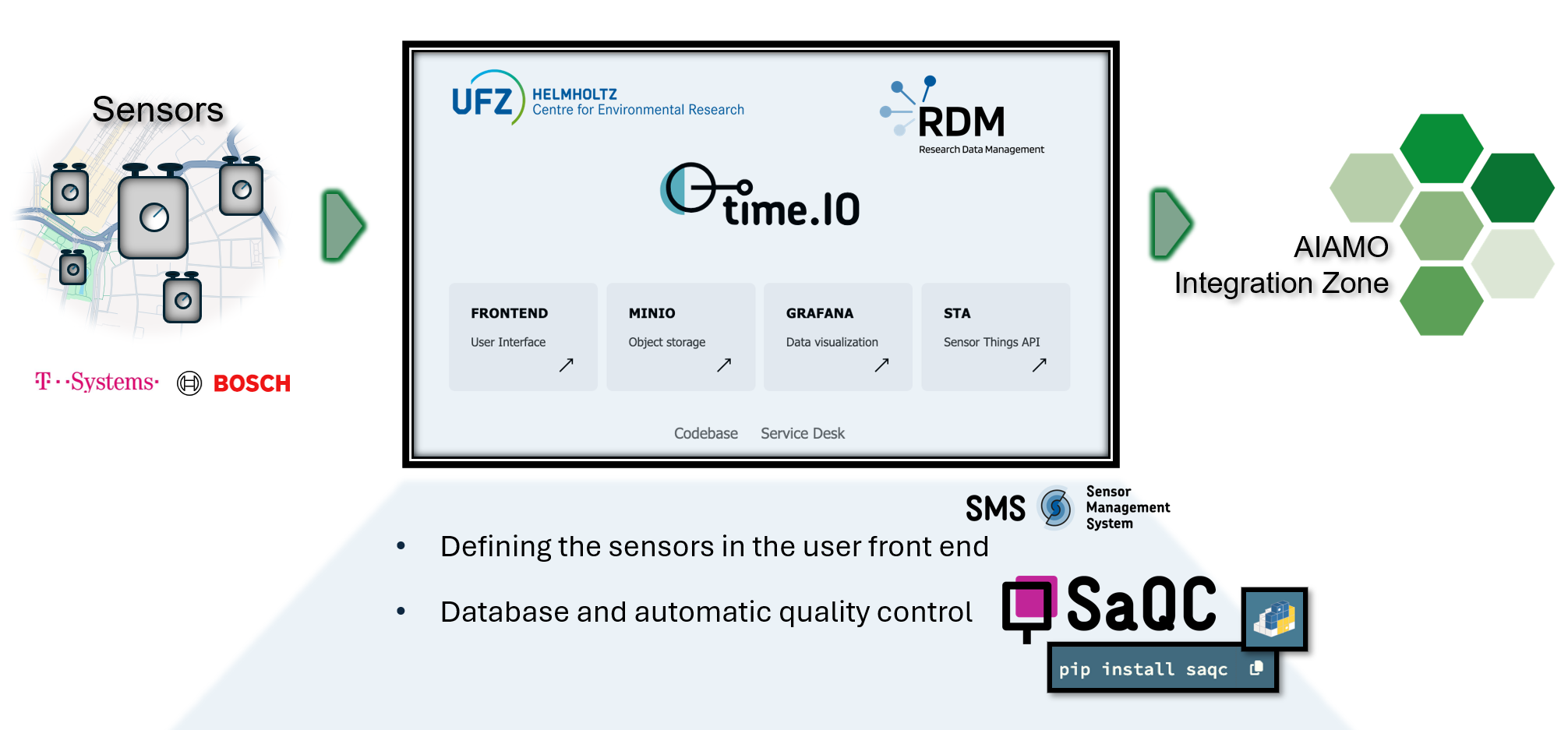
As part of the AIAMO project, the following tools are used for data processing:
- SMS: Sensor Management System
- Time.io: Time series Management
- SAQC: System for automated Quality Control
- Grafana: Visualisation of time series (dashboards)
Digital ecosystem for FAIR time series management
Storage - Quality control - Refinement - Visualization
Particulate Matter Pollution in Leipzig During New Year’s Eve 2024/25
In 2024, the European Union introduced new air pollutant limit values that must be implemented by 2030. According to these regulations, the average daily exposure to particulate matter must not exceed 45 µg/m³ for PM₁₀ and 25 µg/m³ for PM₂.₅. The World Health Organization (WHO) sets even stricter recommended thresholds (German Environment Agency, 2025).
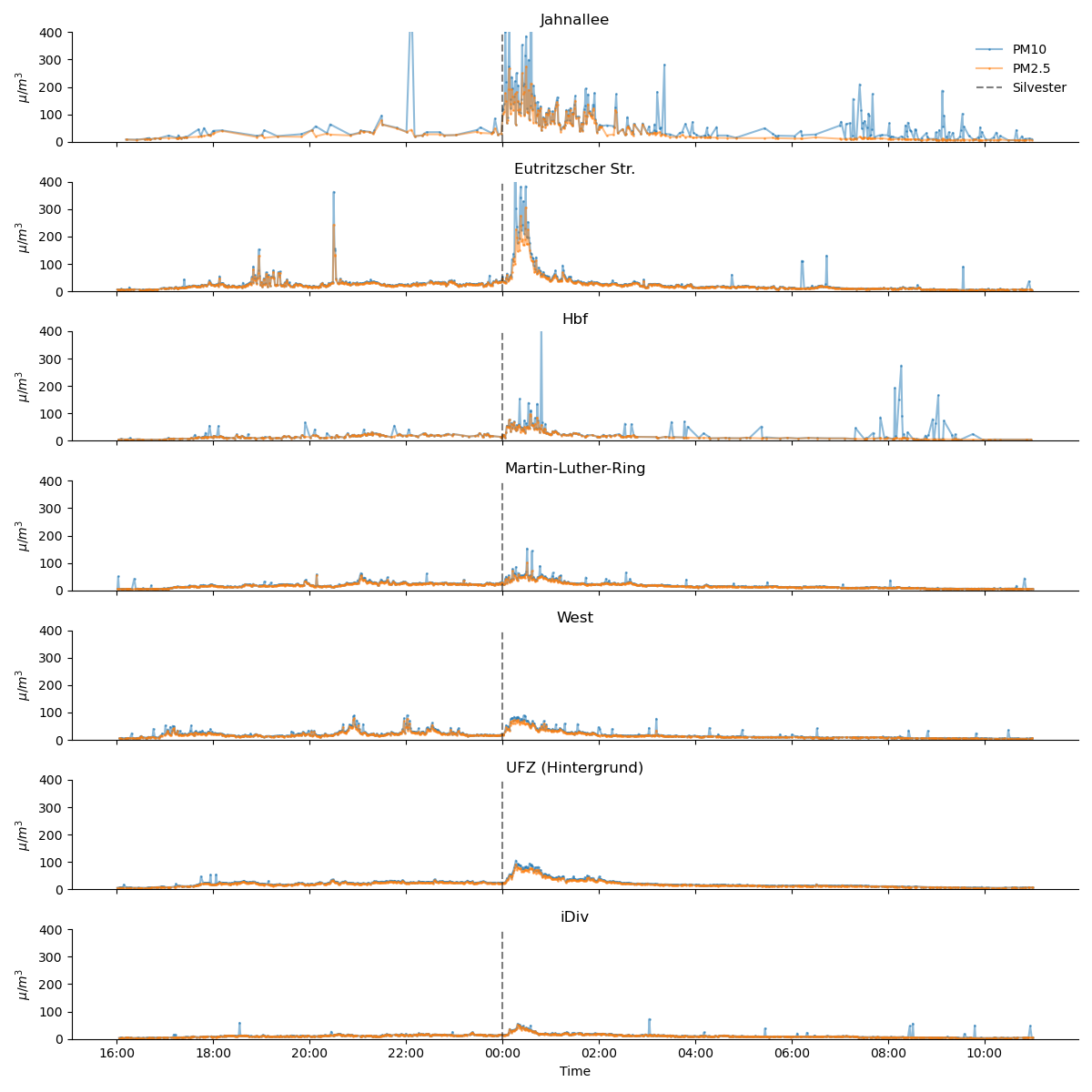
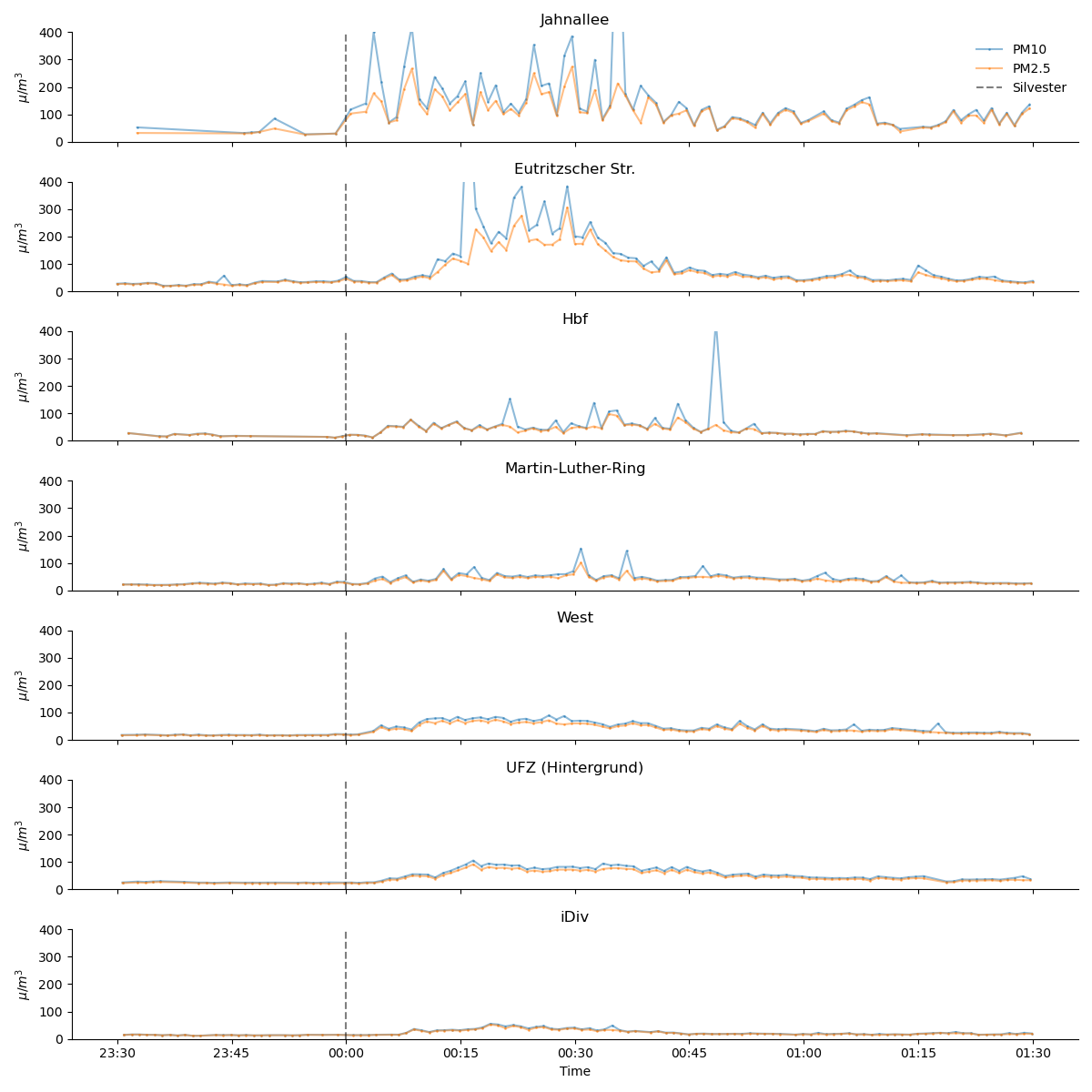
During New Year’s Eve, particulate matter concentrations in Leipzig reached alarming levels, with hourly peaks in the low triple digits. The monitoring stations at Jahnallee and Eutritzscher Straße recorded particularly high values, with PM₁₀ levels exceeding 400 µg/m³ and PM₂.₅ levels reaching up to 250 µg/m³. Among the seven stations examined, Jahnallee showed the highest particulate pollution. Based on daily averages, the PM₁₀ limit was exceeded by a factor of nine and the PM₂.₅ limit by a factor of ten at this location.
Notably, the peak at the Eutritzscher Straße sensor occurred around 12:15 a.m., suggesting a delayed dispersion of pollutants. This may be partially explained by the prevailing southwesterly wind during the night, which likely carried the particulate-laden air from the western city center toward the northeast (source: German Weather Service, Leipzig). This transport phenomenon is supported by measurements from a background monitoring station operated by the Helmholtz Centre for Environmental Research (UFZ) at Permoserstraße in northeastern Leipzig, where PM₁₀ and PM₂.₅ concentrations reached nearly 100 µg/m³ shortly after 12:15 a.m. Similar measurements were recorded at the iDiv sensor station in Connewitz, where southeasterly winds contributed to the relocation of the particulate matter plume.
Fine particulate matter, especially PM₂.₅, can penetrate deep into the lungs and trigger inflammation, leading to long-term health issues such as respiratory diseases, cardiovascular conditions, and metabolic disorders. Short-term exposure to high concentrations can result in elevated blood pressure, reduced heart rate variability, and increased hospital admissions. Vulnerable groups include children, the elderly, and individuals with pre-existing respiratory conditions (German Environment Agency, 2024).
This recurring spike in particulate pollution due to fireworks each year poses a significant public health concern. Consequently, discussions around stricter regulations in certain zones or alternatives such as centrally organized light shows may be warranted.