STRATEGY 2035 –
Research with a long-term vision
Pioneering solutions for a sustainable
and equitable future
Our primary objective is to help safeguard the natural foundations of life under constantly changing conditions. In this context, we see the UFZ as a creative, flexible, and innovative organisation that works closely with partners from science, business, and society to develop sustainable and scalable solutions.
Protecting the natural foundation
Biodiversity, healthy ecosystems, clean water, and a stable climate are the basis of life. Today, humanity faces the triple challenge of biodiversity loss, climate change, and pollution. Our team is united by the goal of developing science-based solutions to protect and use our natural resources sustainably, while safeguarding the health, prosperity, and well-being of all who depend on them.
From knowledge to action
We measure our success by our impact on science and society. We pursue excellence through the combination of academic achievement with practical expertise and implementation know-how. We identify urgent environmental challenges at all levels and develop innovative solutions for politics, business, and society. In environmental crises, we draw on science and our strategic networks to provide decision-makers with rapid, robust assessments and, where possible, solutions.
Promoting collaboration and inclusion
Our work is systemic, collaborative, and transdisciplinary. We bring together the natural, technical, data and social sciences, working closely with a diverse network of partners. By fostering a plurality of perspectives, we contribute to the implementation and advancement of international agreements and programmes. We are committed to building capacity worldwide and take pride in our alumni as they assume responsibility in science, industry, and society around the globe.
Strengthening innovative infrastructure and digital leadership
We combine cutting-edge research infrastructure with advanced data science and AI approaches, and thereby enable world-class research along the entire knowledge value chain. We gather information through observatories, experimentation sites and analytical facilities to gain a fundamental understanding of social-ecological relationships. This is complemented by technology platforms and real-world laboratories, which facilitate the development of innovations in close collaboration with stakeholders. Demonstration sites showcase science-based solutions and their tangible impact.
Honesty, openness, and respect
We create pathways and narratives for positive futures, ensuring that no one is left behind. Our interactions with societal actors are shaped by honesty, openness, and respect for diverse perspectives. We think outside the box, foster trust, and act as honest brokers with the highest scientific integrity. We are dedicated to supporting current and future generations, inspiring and educating, and continually advancing our own capabilities for the common good.
Work culture and ambitions
Our culture builds on integrity, good scientific practice, and an attitude of learning from success and failure. It goes hand in hand with an ambitious, bold spirit of creativity, excellence and achievement. We foster team spirit and a fair, inclusive and safe working environment where diversity with its wealth of experiences and abilities meets with openness and critical debate. We aim for an enabling working culture in which all colleagues advance professionally and with a high sense of responsibility to unfold their full potential and contribute their strengths to achieving our shared goals.
Foster resilient ecosystems
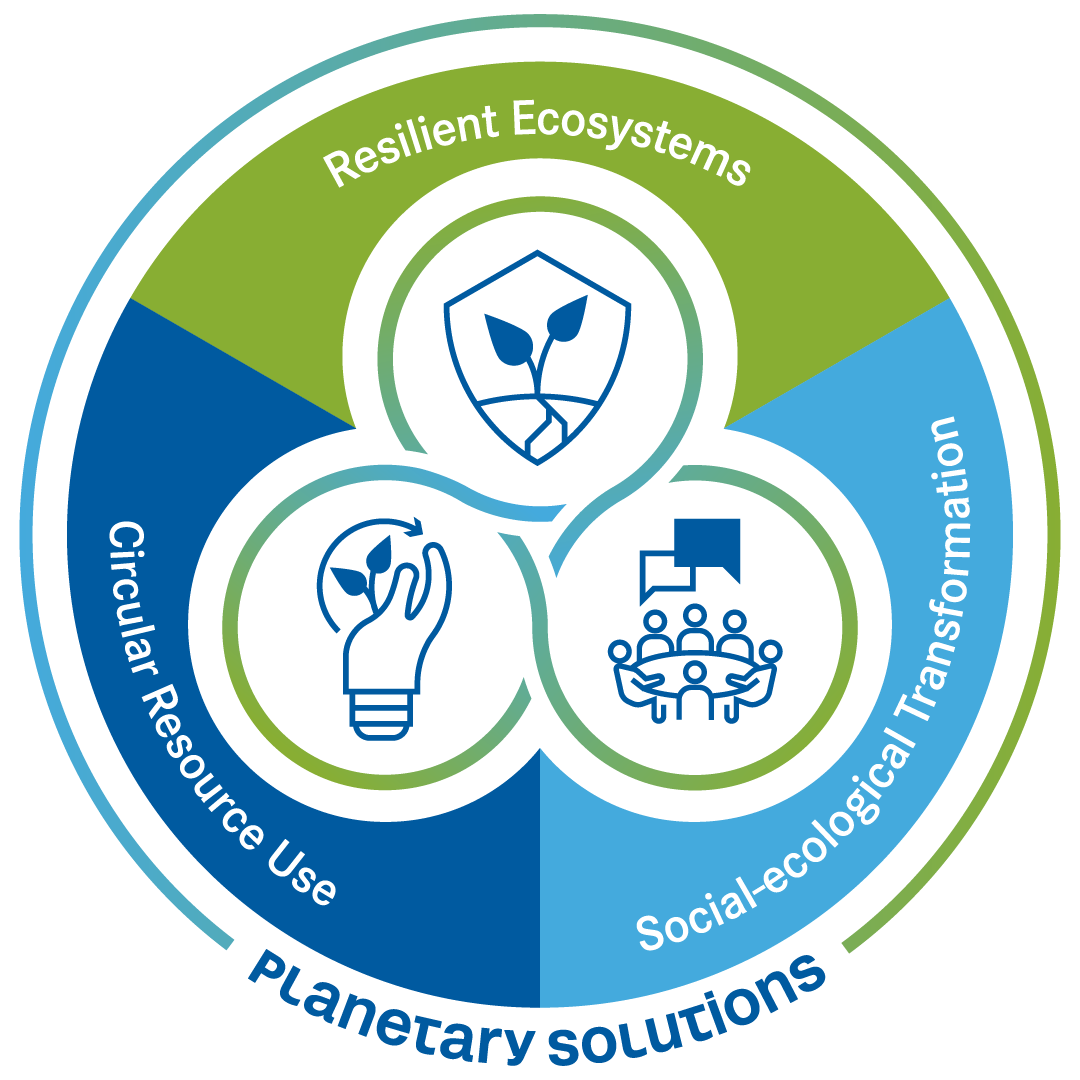
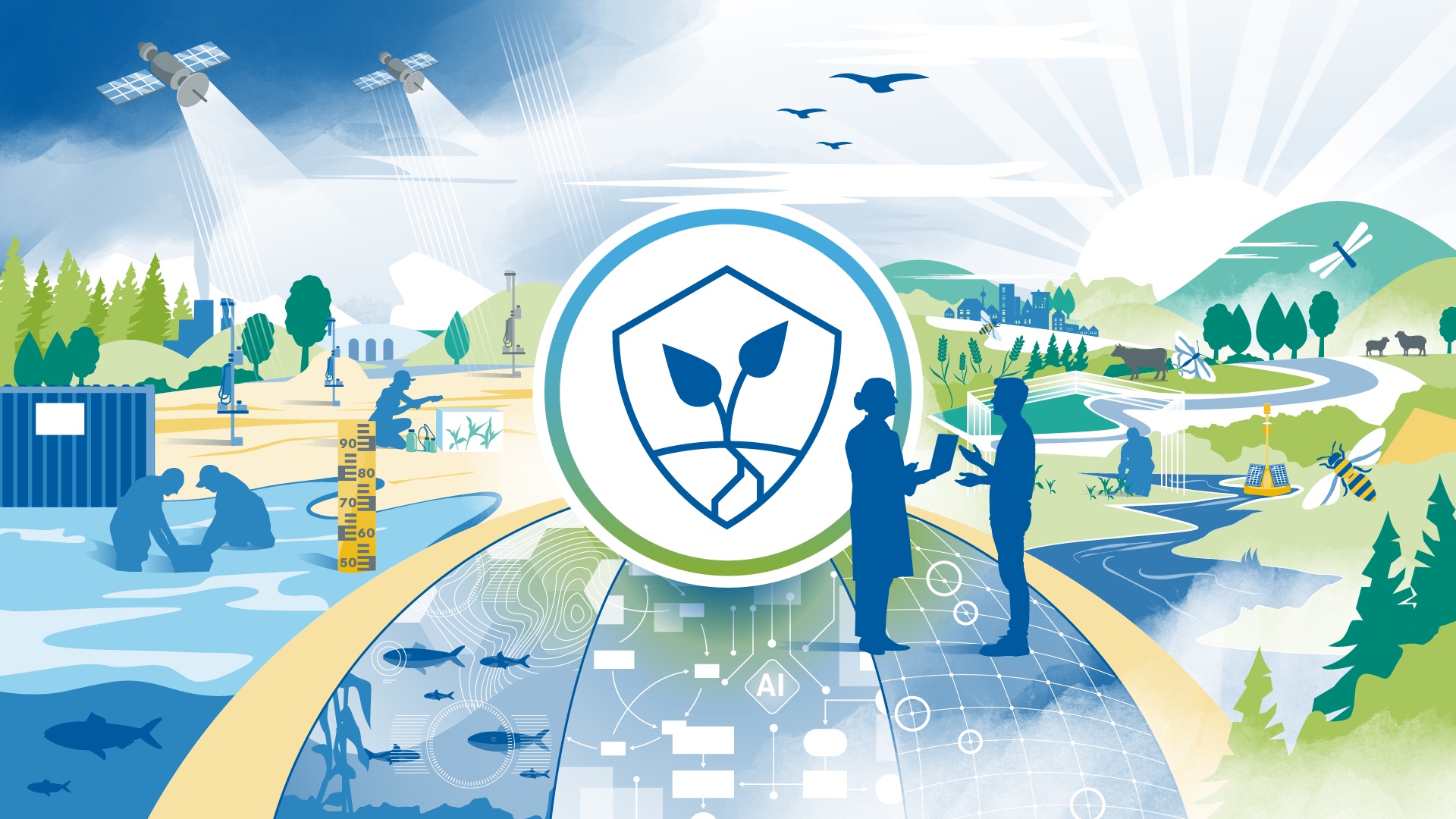
In the research focus ‘Foster resilient ecosystems’, we focus on making natural systems more resilient to climate change, biodiversity loss, and environmental pollution. Using AI-powered sensor networks, long-term monitoring stations, experimental studies, and digital twins, we expand our understanding of how ecosystems function across different scales and develop early-warning systems and evidence-based adaptation strategies. In close collaboration with policymakers, public authorities, and local authorities, we turn scientific findings into practical governance and management solutions.
Innovate circular use of resources
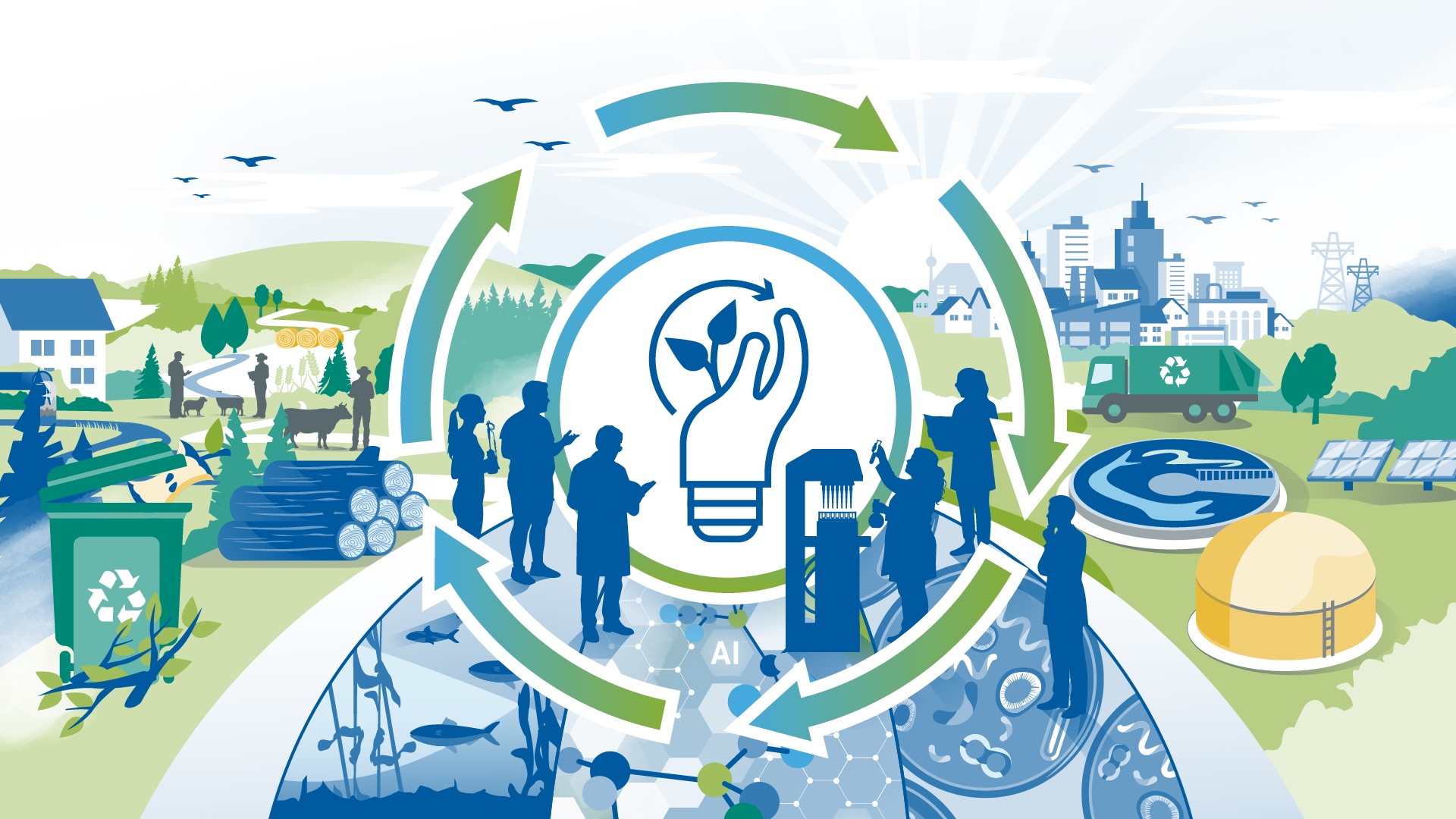
In the research focus ‘Circular use of resources’, we aim to integrate biological, ecological, and technological systems to close resource cycles, reduce environmental pollution, and strengthen a bio-based economy. We investigate how natural and engineered systems can be used efficiently. We use this knowledge to develop and improve biotechnological processes for producing products such as food, animal feed, energy carriers, and synthetic chemicals while reducing dependence on critical raw materials. By working closely with the private sector, we ensure that laboratory innovations are scaled up for industrial application.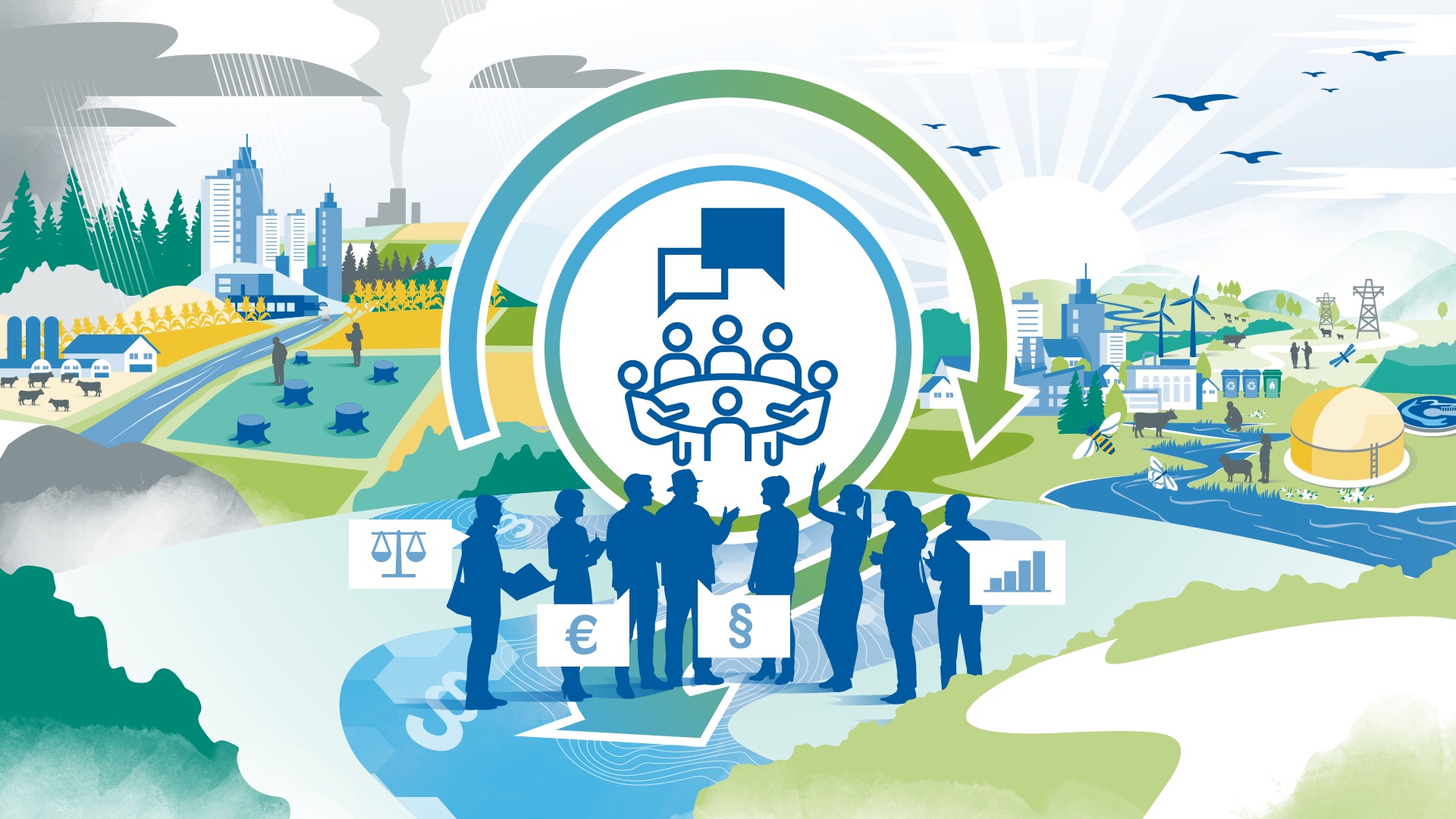
Transform social-ecological systems
In the research focus ‘Transform social-ecological systems’, we investigate the interactions between societies and their natural environment. In real-world laboratories, we work with local stakeholders to develop and test solutions for food, water, and energy security. As part of a planned transformation hub, implementation processes and governance structures will be evaluated to enable the scaling up of proven sustainability solutions from the local to the global level.Our ambition to advance three solution-oriented research foci and contribute solutions at the global level requires us to continually develop how we work. In order to further strengthen our research capabilities in this regard, we are pursuing six strategic approaches.
Combining scientific excellence with solution-orientation
We consistently combine scientific excellence, in-depth expertise, and methodological innovation with knowledge and technology transfer and promote a transfer-oriented culture. In this way, we can turn scientific findings into scalable solutions for industry, policymakers, and society.
Promoting interdisciplinarity
The UFZ brings together a unique range of disciplines from the natural sciences, engineering, data science, and the social sciences. This diversity allows us to take a holistic view of the interrelationships between climate change, biodiversity, and chemical pollution and develop forward-looking solutions and courses of action.
Research infrastructure, data science, and modelling
Data collection, monitoring, experiments, modelling, and research infrastructures form the basis for scientific excellence at the UFZ and provide unique, high-resolution, long-term environmental datasets. We initiate, develop, and expand these structures and advance technologies such as AI, virtual reality, and quantum computing.
Crisis preparedness and responsiveness
The UFZ provides science-based support during acute environmental crises such as extreme events. We provide rapid measurements, analyses, data, information, and assessments and contribute environmental knowledge to security and resilience agendas.
Co-design with stakeholders
The UFZ brings together stakeholders and decision-makers from science, society, industry, public administration, and politics to gain a holistic understanding of the issues and develop and test solutions in real-world laboratories or at demonstration sites.
Trusted intermediary
The UFZ serves as an interface between science, society, and policymakers and turns complex environmental findings into clear, actionable policy options. It makes these options accessible to a broad audience through digital platforms, open data portals, and communication designed to meet different needs.