
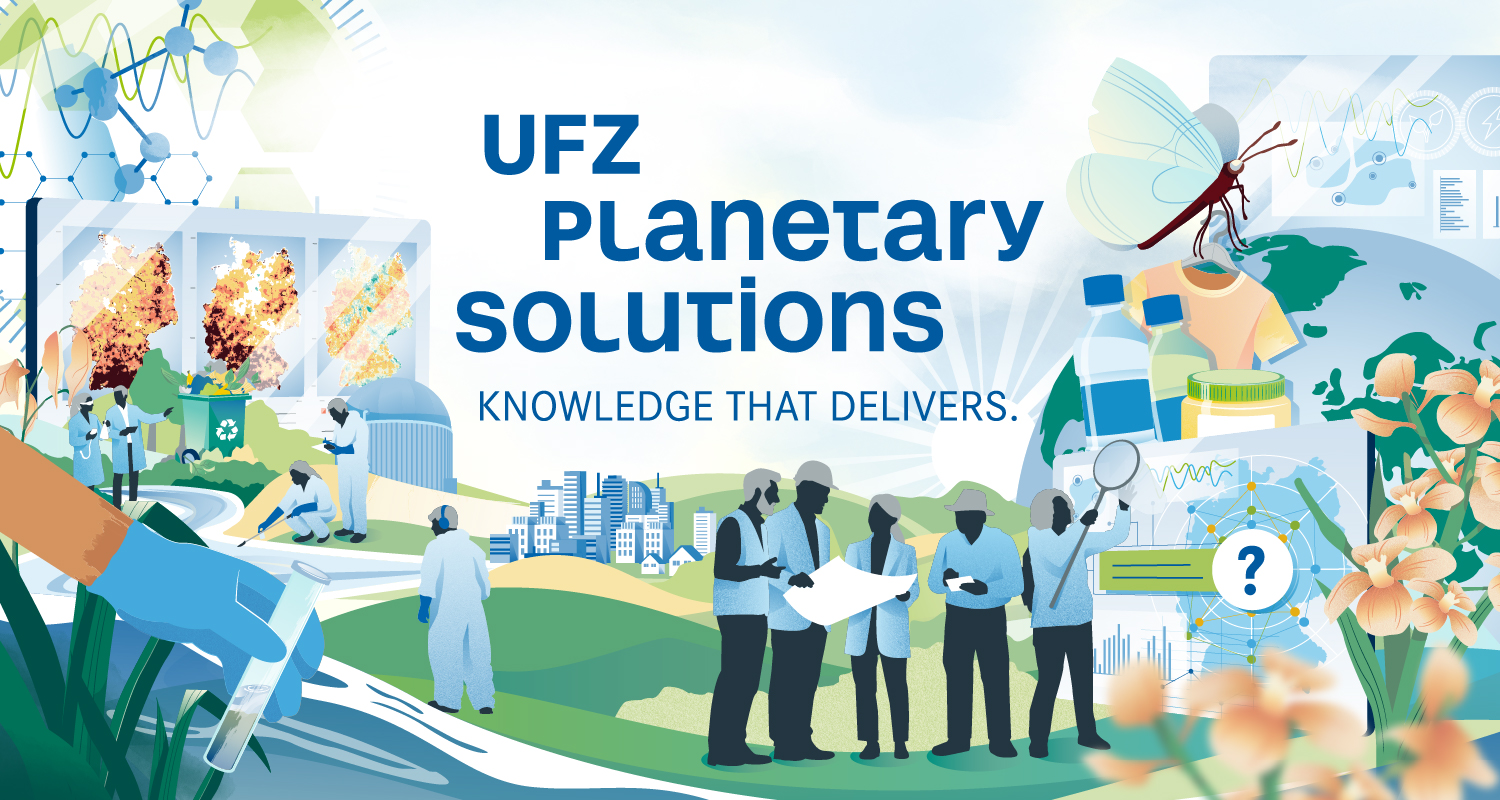
UFZ Planetary Solutions. Knowledge That Delivers.
The world needs more than an understanding of the problems. It needs solutions. With Planetary Solutions, we turn knowledge into action. Because knowledge alone is not enough to tackle the major environmental crises of our time: climate change, biodiversity loss, and pollution. Together with partners in science, business, government, and society, we develop strategies and tools that put knowledge into practice. Planetary Solutions are solution-oriented, evidence-based, integrative, practical, and scalable. They help strengthen the resilience of ecosystems, advance resource circularity, and transform social-ecological systems in meaningful ways—making our planet more livable and resilient. For us and for future generations.
Planetary Solutions are part of the UFZ Strategy 2035 and align with the UFZ’s three strategic research priorities (to Strategy 2035).
 What do we mean by “Planetary Solutions”? Prof. Katrin Böhning-Gaese, the UFZ’s Scientific Director, explains this in this video. The video also features voices from the worlds of science, business, politics, and civil society—people who are committed to making our planet more livable and resilient.
What sets Planetary Solutions apart?
What makes a solution a solution?
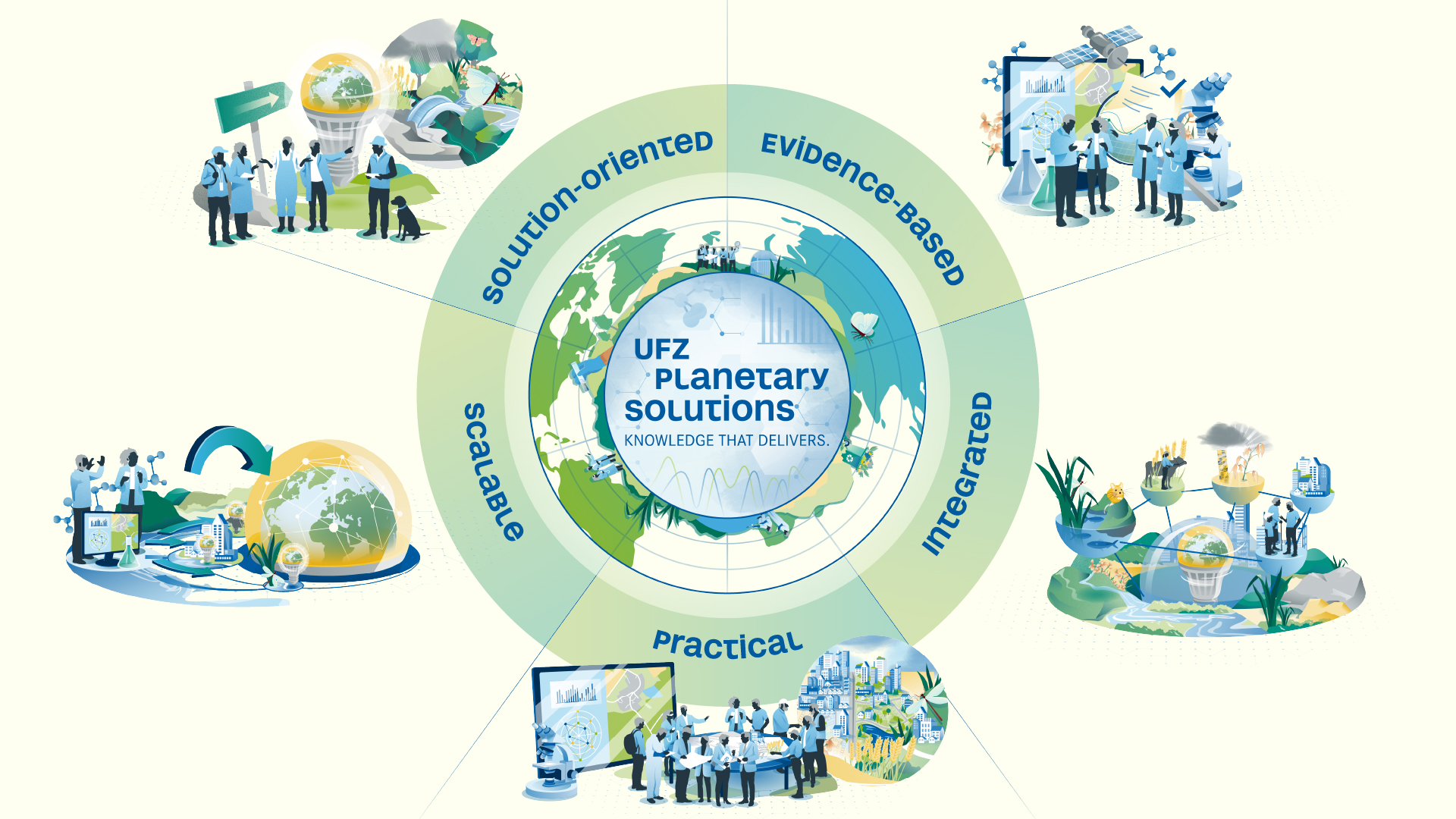
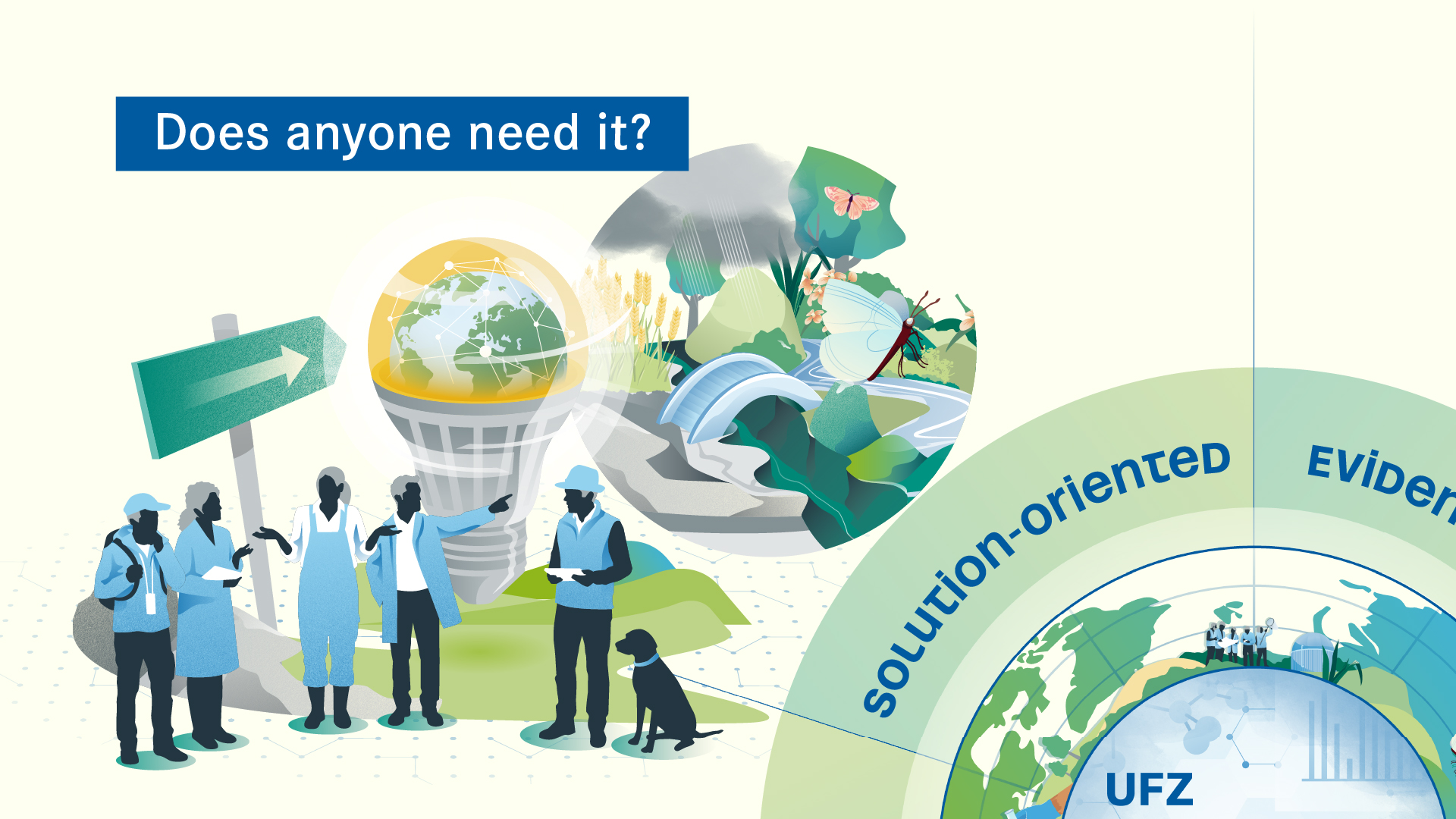
We need scientific approaches designed to find solutions to planetary challenges. This means combining systems knowledge with knowledge about goals and values, as well as knowledge about how to act. Knowledge about goals and values asks: What is our vision? What values guide us? How do we want to live? Action-oriented knowledge asks: How do we get there? This is where the expertise of practitioners matters—for example, farmers’ knowledge of how to manage a particular soil while preserving its biodiversity. Without knowledge about goals, values, and action, systems knowledge tends to produce technocratic solutions. Solution-oriented research actively engages with challenges and problems and asks what knowledge is needed to solve them.
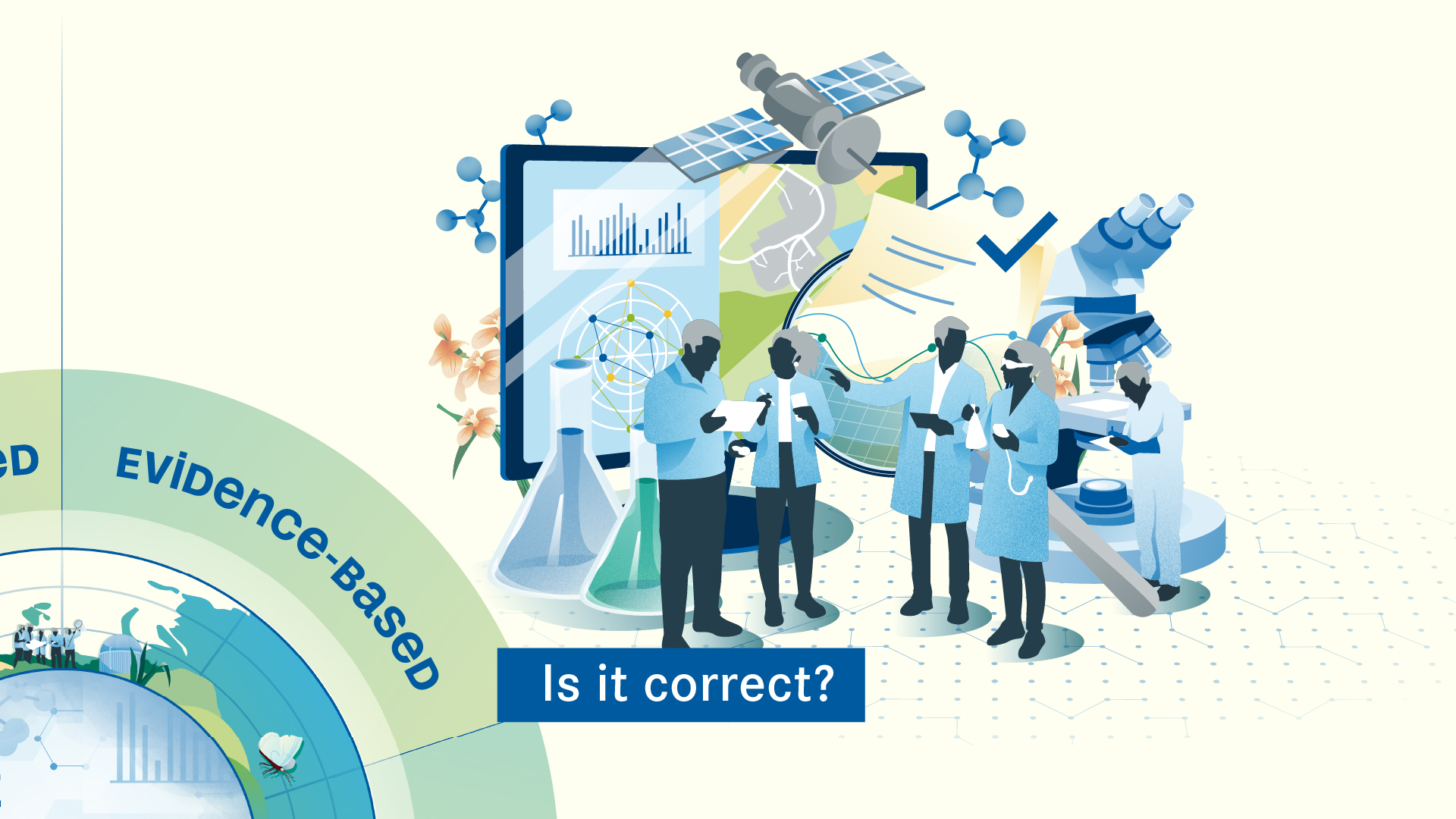
We need scientific approaches designed to find solutions to planetary challenges. This means combining systems knowledge with knowledge about goals and values, as well as knowledge about how to act. Knowledge about goals and values asks: What is our vision? What values guide us? How do we want to live? Action-oriented knowledge asks: How do we get there? This is where the expertise of practitioners matters—for example, farmers’ knowledge of how to manage a particular soil while preserving its biodiversity. Without knowledge about goals, values, and action, systems knowledge tends to produce technocratic solutions. Solution-oriented research actively engages with challenges and problems and asks what knowledge is needed to solve them.
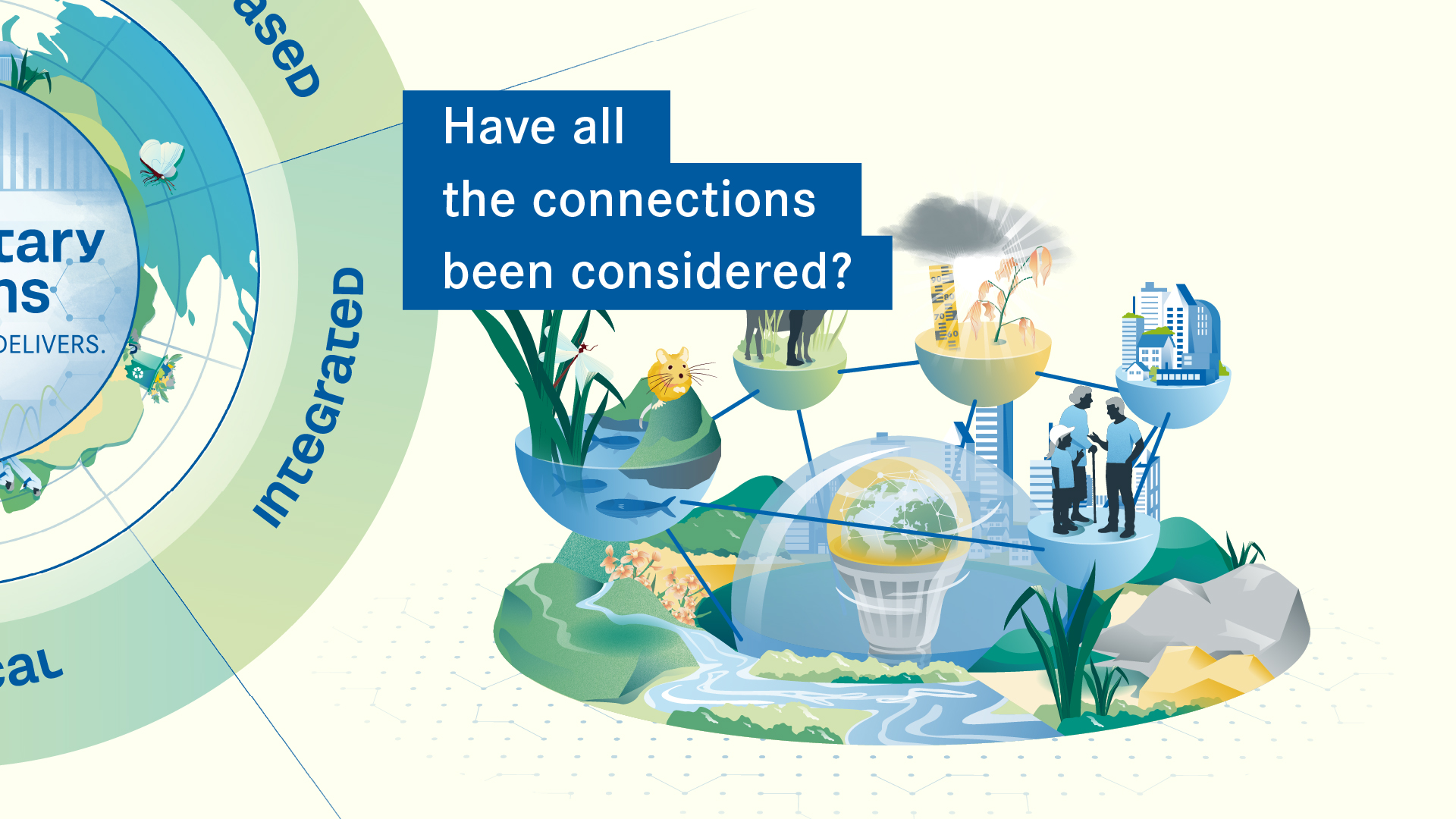
An integrative approach is essential both for analyzing problems and for developing solutions. How are biodiversity and climate connected? How does climate change affect biodiversity? Conversely, what does biodiversity loss mean for the climate, climate mitigation, and climate adaptation? Not every measure that protects the climate also benefits biodiversity conservation. Growing crops for bioenergy can help mitigate climate change, but it can also harm biodiversity and threaten food security.
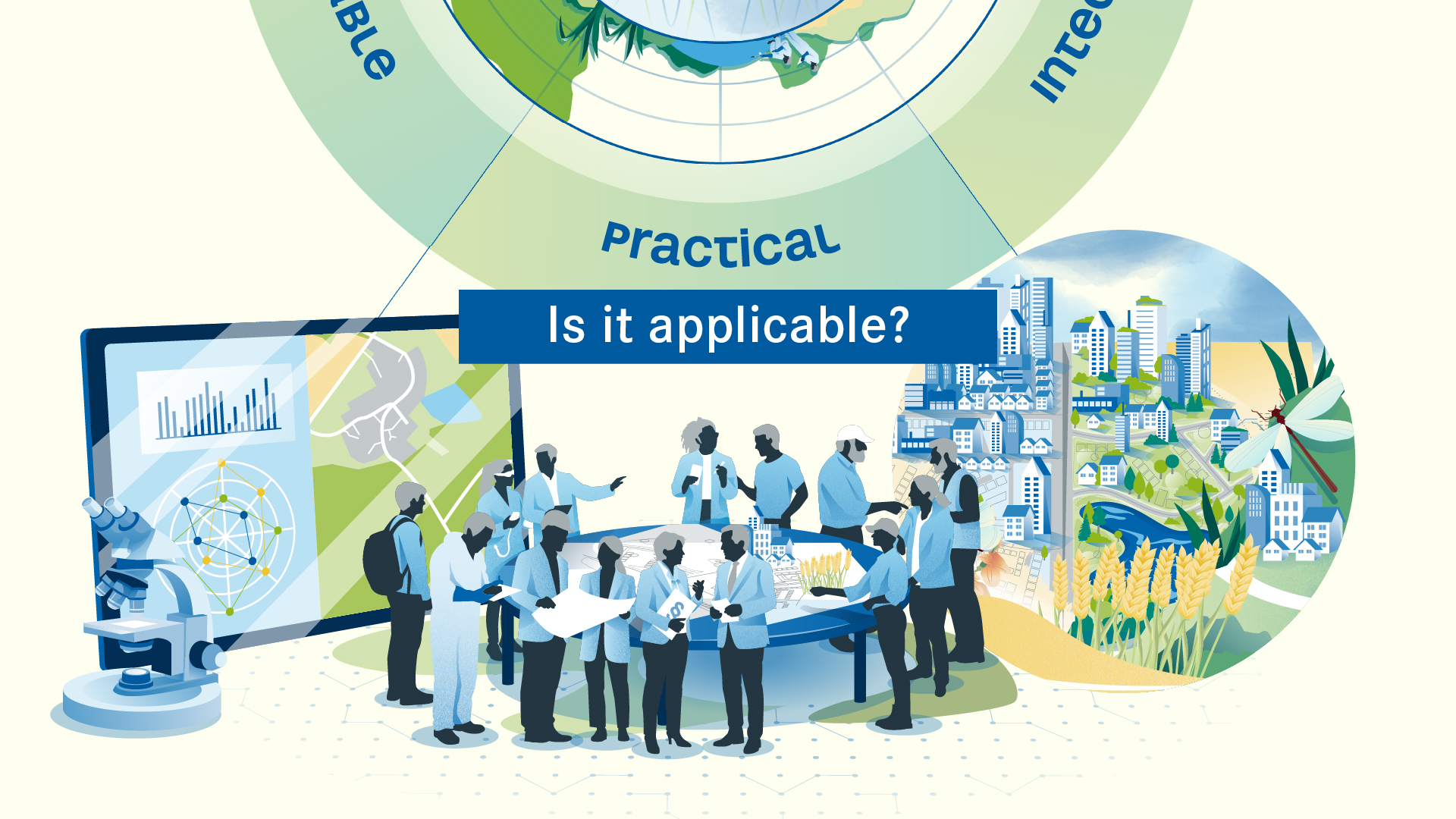
Solutions must be feasible in real-world settings. This requires transdisciplinary collaboration between researchers and practitioners from businesses and other sectors, beginning well before implementation. Practitioners can identify societal challenges and needs and contribute practical expertise; researchers contribute scientific evidence. It is a shared learning process: researchers and practitioners first identify and analyze a problem together, then jointly develop approaches and solutions. Depending on the problem, they may use living labs, transformation labs, or Solution Labs (such as the SOLVE Elbe and URBAN Solution Labs within the Helmholtz Water Initiative). Another form of transdisciplinary collaboration is citizens’ assemblies, in which a representative group of people from civil society works with scientific experts to develop solutions to societal problems (for example, the German federal government’s 2023 Citizens’ Assembly on Food in Transition; Bürgerrat Ernährung im Wandel).
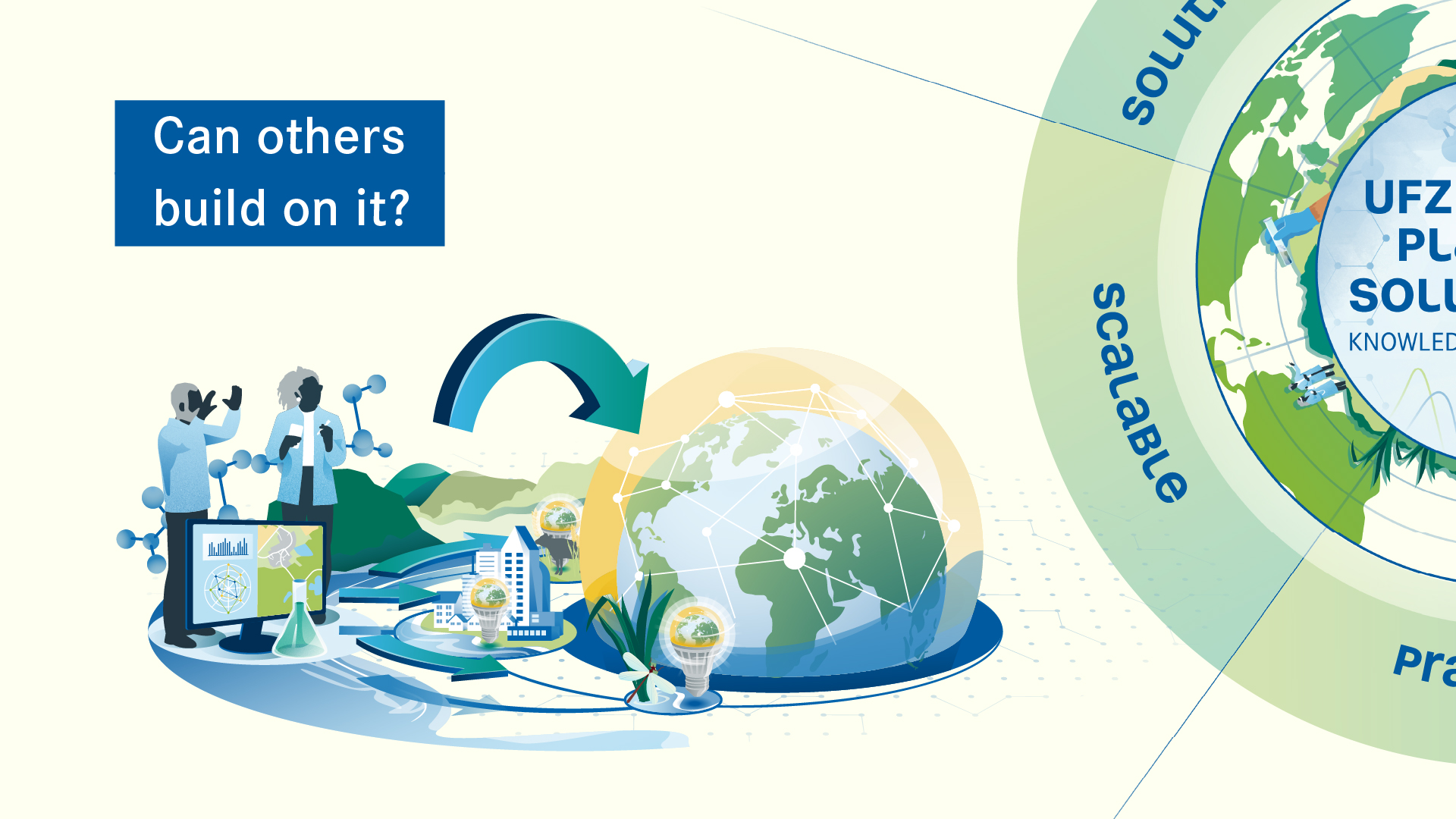
Solutions must be scalable. This means that solutions must be evaluated in terms of:
- Their planetary impact: Does the solution contribute to a resilient, livable planet?
- Their feasibility: Measures must be technically and economically feasible, gain broad public support, and be politically achievable. This means that measures should:
- Make business sense: They should be financially viable and economically beneficial for businesses.
- Make things easier: They should simplify processes and require less effort rather than more.
- Ensure fairness in the distribution of costs and benefits: They should identify how different groups are affected by the costs and benefits of the proposed changes.
- Be enjoyable and empowering: They should contribute directly or indirectly to a better quality of life and a greater sense of agency, for example, for example, through participation in projects (e.g. the citizen science projects) or by using apps and tools (such as the Merlin app, which makes learning to identify birds easy and intuitive and encourages experiences in nature).
Planetary Solutions – Examples
Since its founding in 1991, UFZ researchers have studied the complex relationships between people and the environment and sought solutions to preserve and sustainably manage the natural resources on which life depends—from basic research to practical applications. With our examples of solutions, we want to inspire action. We invite stakeholders from a wide range of sectors at the local, regional, and global levels to work together on solutions for a livable and resilient planet.
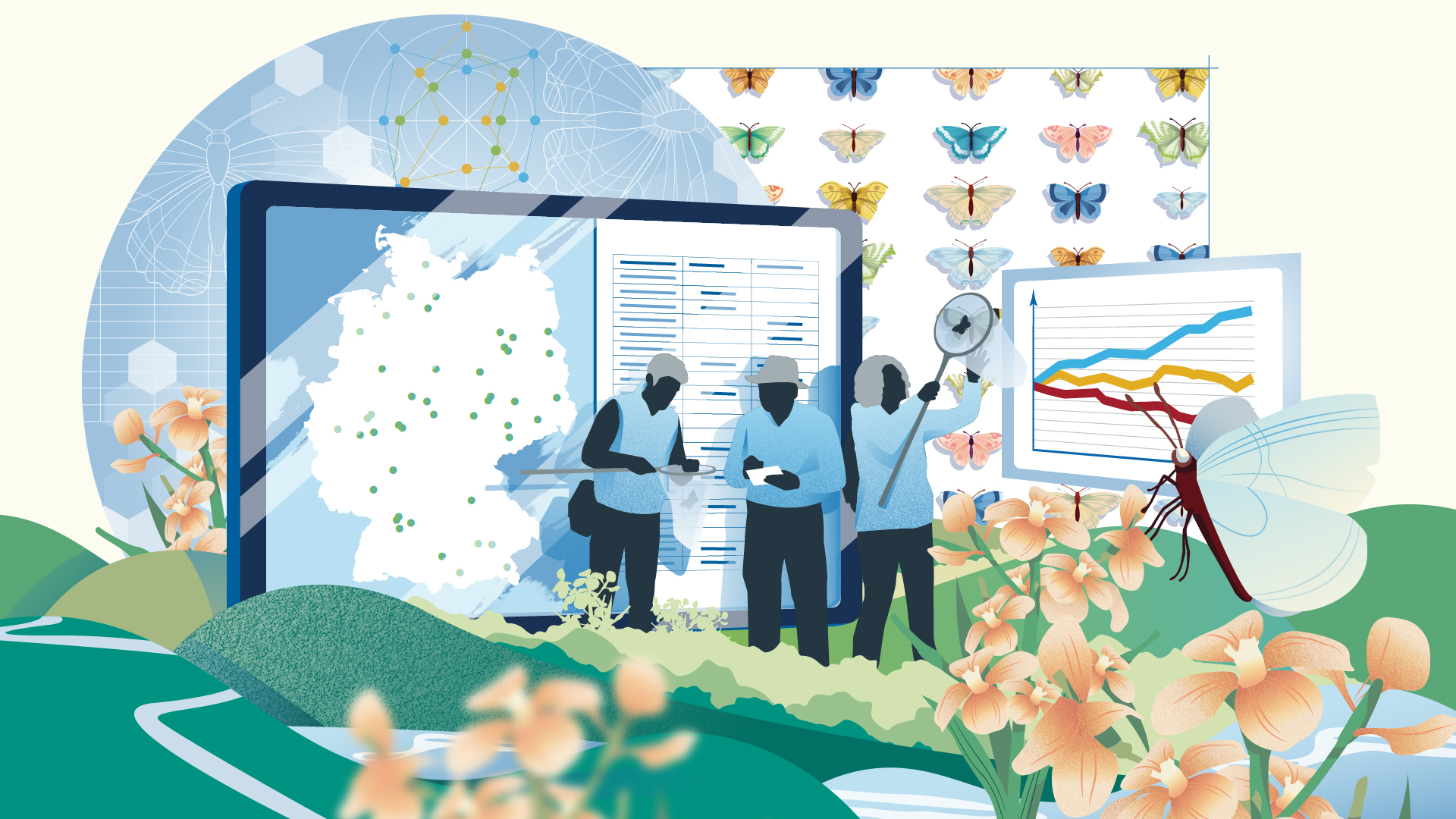
Grassland Butterfly Index
The Grassland Butterfly Index highlights the progress being made in restoring grassland ecosystems. It is based on long-term observational data collected by qualified volunteers from Tagfalter-Monitoring Deutschland (TMD).
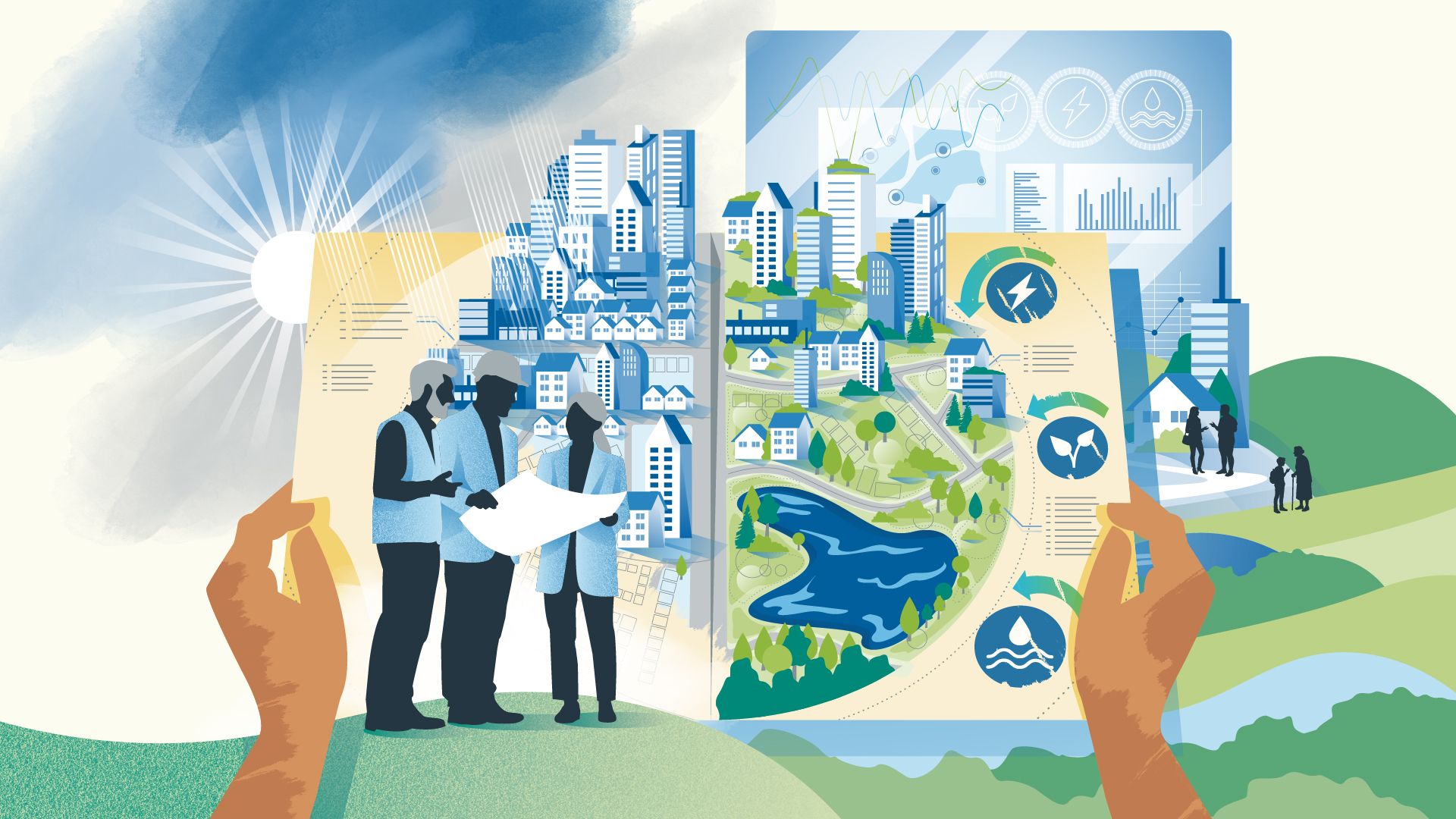
Climate-Resilient Cities
Our “blue-green-red” research approach brings together water, green spaces, and renewable energy to create urban neighborhoods that can better withstand climate extremes and where people enjoy living.
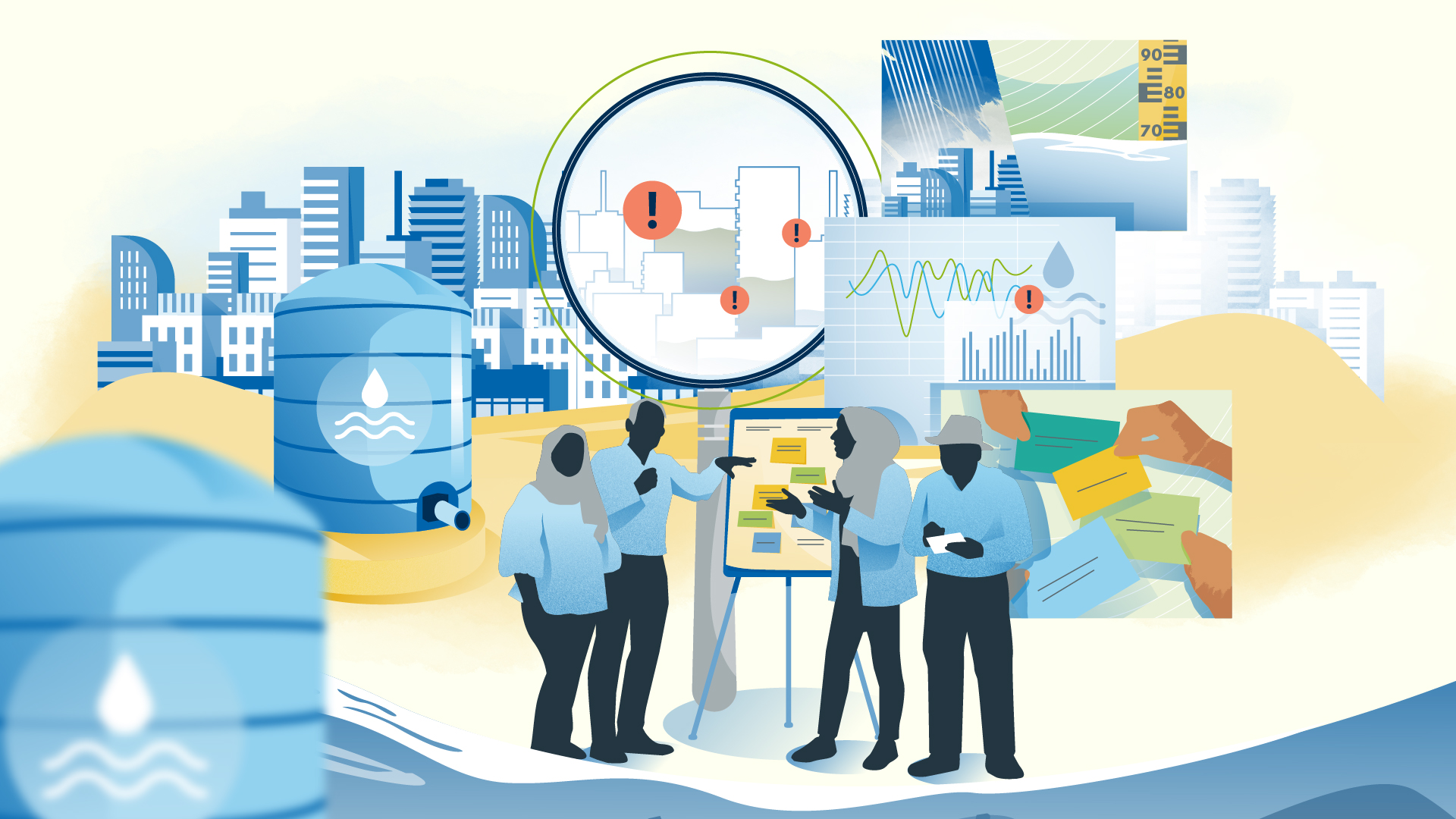
Ways to Ensure a Secure Water Supply
Using Jordan as a case study, our integrated hydro-economic model demonstrates how water crises arise, what makes them worse, who is most affected, and which solutions can secure the water supply in the long run.

The UFZ Drought Monitor for Germany
The UFZ Drought Monitor provides daily, nationwide information on soil moisture in Germany. It is based on soil moisture simulations using mHM, an open-source hydrological modeling system developed at UFZ and freely available for unrestricted use. The system is used worldwide.
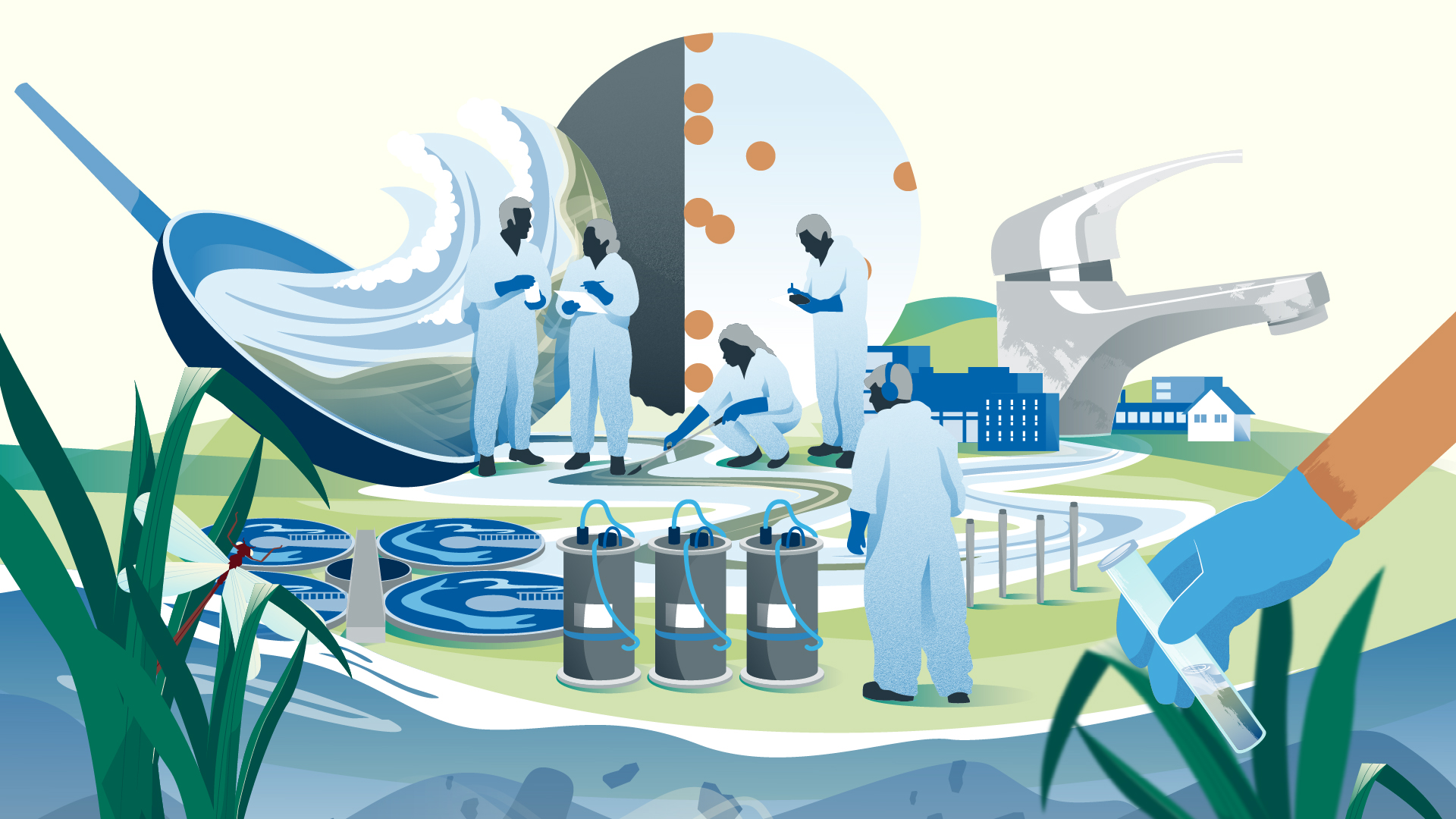
New Technologies to Combat PFAS
We develop tailored technologies to remove different PFAS—often called “forever chemicals”—from groundwater, soils, and contaminated water streams and prevent their further spread. To do this, we combine innovative materials and processes—such as colloidal activated carbon, regenerable zeolite adsorbents, and electrochemical methods.

Green Chemistry from Biowaste
A more sustainable chemical industry needs new raw materials and circular systems. Biowaste and regional residual materials offer considerable potential as alternative resources. We have developed a microbiome-based fermentation process (Capraferm®) in which natural bacterial communities convert food waste and regional biomass into medium-chain carboxylic acids.
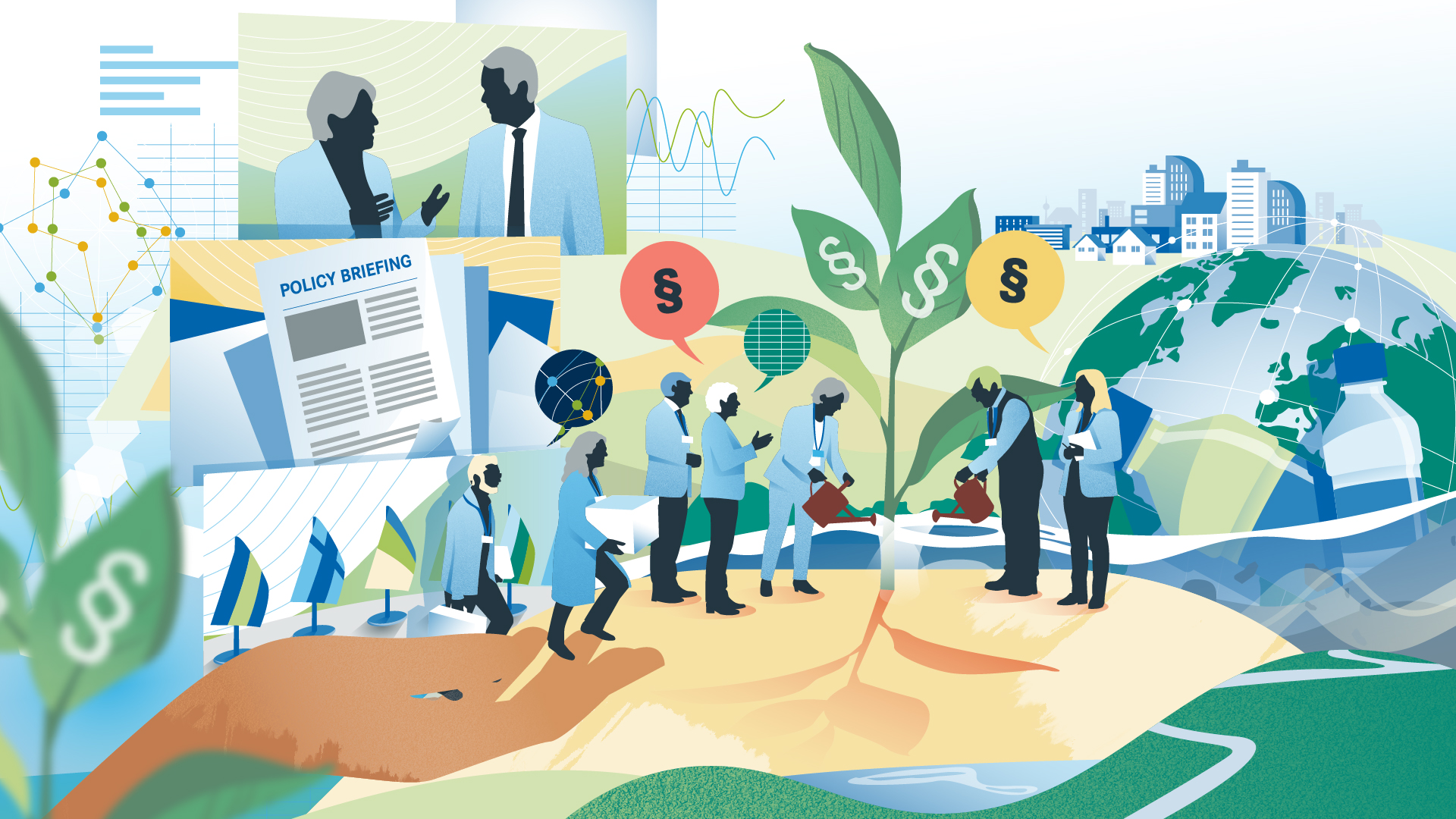
UFZ as an Advisor and Communicator of Knowledge
We bring scientific findings to the places where decisions are prepared and made—at the municipal, state, federal, and EU levels, as well as in international negotiations. One example is the negotiations on a global plastics treaty. UFZ researchers participate in the international Scientists’ Coalition for an Effective Plastics Treaty, which compiles and prepares the latest scientific findings for the negotiations.