
Background and Goals
The initiative is linked to our strategic vision of producing inter- and transdisciplinary solutions for our planet. The challenge lies in where to intervene (planetary, regional, local), how to intervene (political, economic incentives, individual behavior) and which approach is most successful while receiving support from the majority of the people. The mission of the research unit „Chemicals in the Environment“ is to provide scientific innovation and interdisciplinary solutions for safe and sustainable chemicals that do not pose risks to humans and the environment. It supports a circular economy and a healthy non-toxic environment for humans and ecosystems under changing climate, hydrological and socio-economic conditions. We understand planetary solutions as transformative processes, combining equity, legitimacy, and resilience, and connecting local and regional strategies with global sustainability goals. Such processes require interdisciplinary collaboration, new approaches, and international dialogue which we aim to achieve through this initiative.
Activities
Our activities comprise two main instruments: (1) workshops to connect experts and scientists of relevant fields, advance scientific and transdisciplinary understanding and promote national and international cooperation; (2) hosting of international fellows to strengthen bilateral collaborations and attract excellent scientists of various career stages to spend research stays at UFZ. These activities form a collaborative platform where sufficient time and focus can be dedicated to the critical assessment of concepts and scientific ideas or challenges, development of new approaches, and joint design of pathways towards planetary solutions.
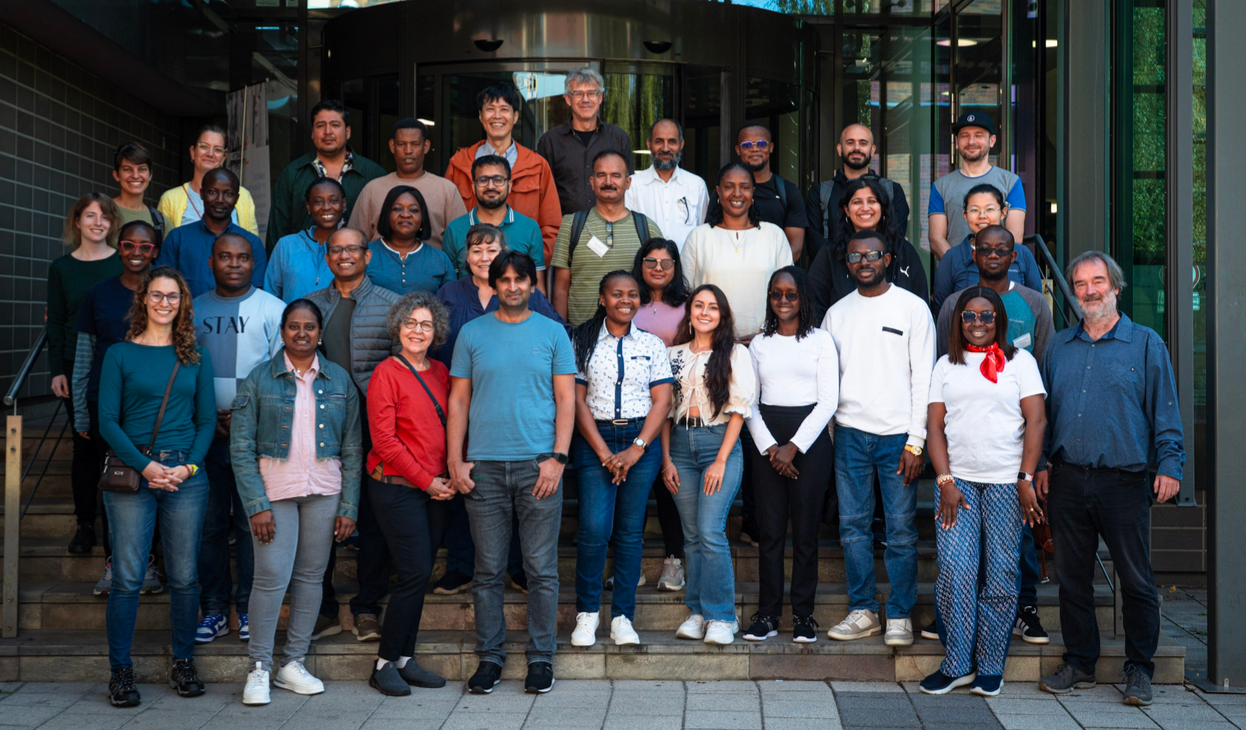
Chemical pollution of our environment is a global problem that requires global solutions. The Global Seminar “Solutions for the ONE WORLD: Monitoring Chemical Pollution under Low-Capacity Settings” held at the UFZ in Leipzig brought together more than 30 scientists from around the world to develop a network and strategies for better environmental monitoring with greater consideration for the Global South. The workshop also marked the start of a pilot study to record water pollution with organic micropollutants in all parts of the world.
Synopsis
The
workshop participants elaborated strategies to improve assessment of
persistence of chemicals with respect to higher throughput of experimental
methods, increased coverage of the chemical‘s space and a higher accuracy of
predictive tools and they defined next steps that may be taken along these
lines.
Outcome
A group of
workshop participants will prepare an outline paper to promote new concepts
required for future persistence testing of chemicals. Several workshop
participants have committed to promote key workshop topics to stakeholder
groups and decision makers on national and European levels. A follow-up
workshop is planned for 2026.

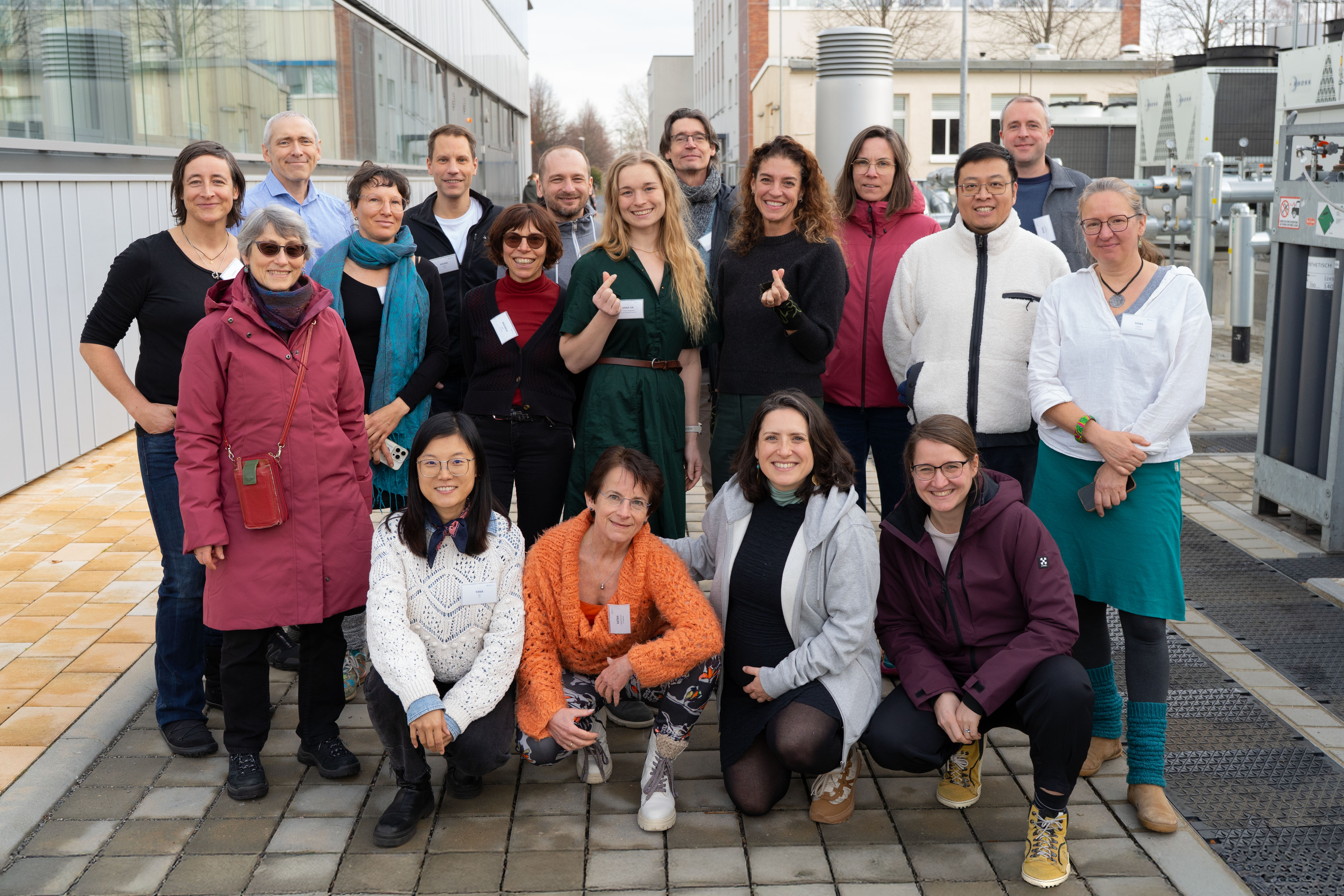
The Planetary Boundary of Novel Entities is complex as it comprises chemical and plastic pollution as well as genetically modified life forms; partly the human activity-derived mobilization of natural elements is also considered. Novel Entities are different from the other Planetary Boundaries, amongst others since they have only existed since the start of the industrialization. During the workshop, 20 international experts identified key needs regarding (1) redefining control variables and clarifying the concept of an “acceptable risk space” for Novel Entities, (2) strengthening governance frameworks for Novel Entities, (3) improved monitoring of Novel Entities as well as (4) related communication.