• press release More sustainability in global agricultural trade
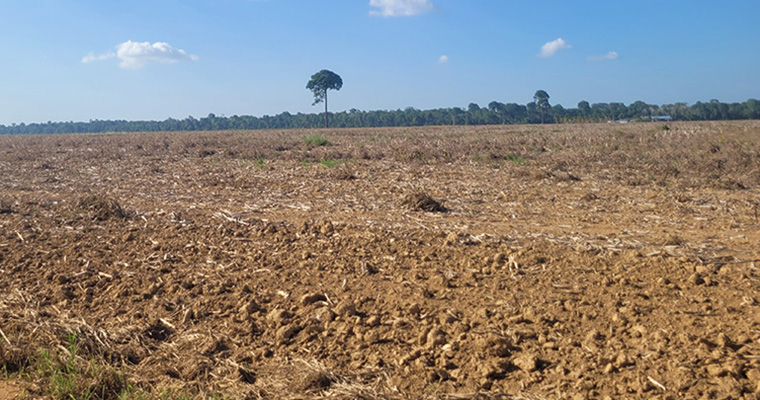
The EU would like to ensure greater sustainability in agricultural trade with the Global South – with the aim of minimising local environmental and climate-damaging effects. A research team is now presenting a new approach to identifying courses of action.»
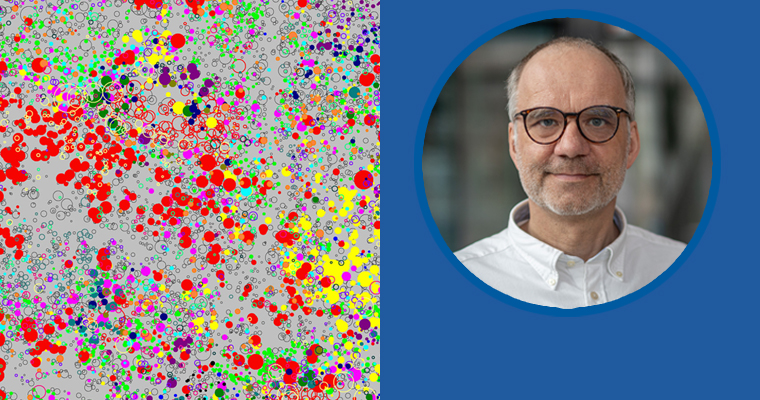
Dr Thorsten Wiegand has received around 2.5 million euros from the European Research Council (ERC). Over the next five years, he and his colleague Prof Andreas Huth will develop theory to understand the spatial dynamics and stability of species-rich forests.»
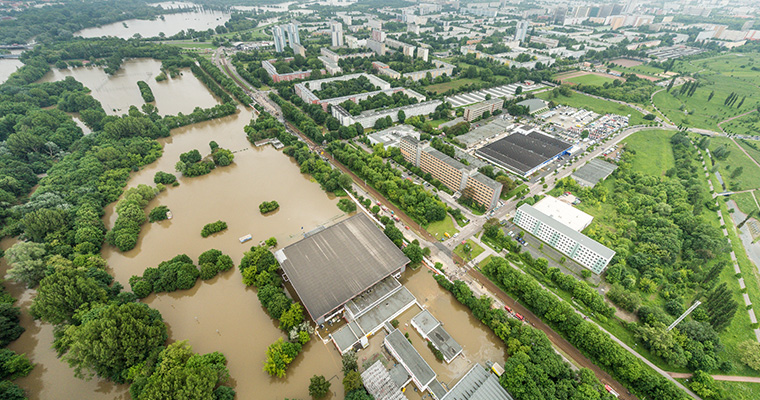
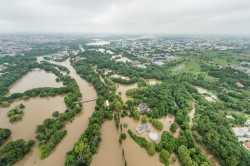
Using methods of explainable machine learning, researchers at the UFZ have shown that floods are more extreme when several factors are involved in their development. The research was published in Science Advances.»
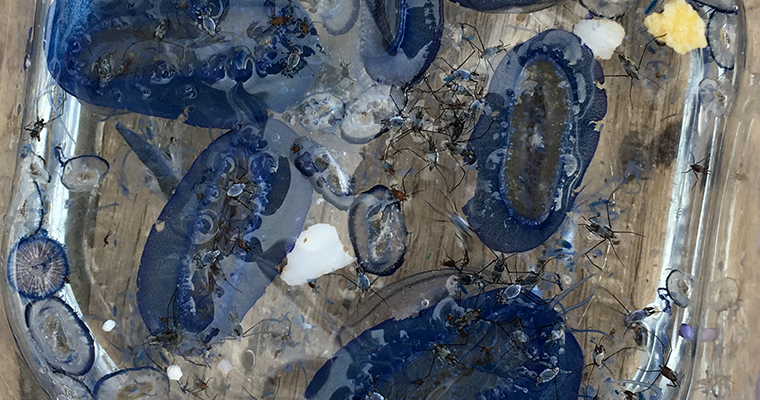
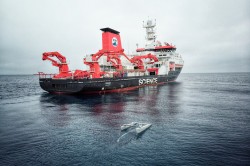
A research team from the UFZ and AWI has detected large quantities of plastic waste and microplastics in a remote marine protected area in the North Pacific Ocean. The researchers highlight that plastics are distributed much more widely than expected. »
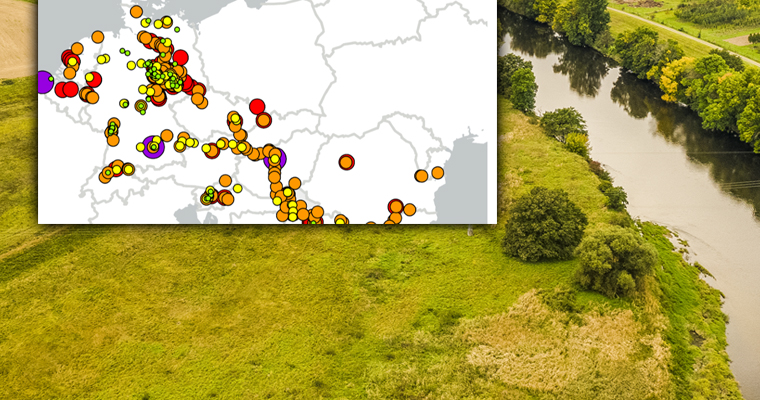
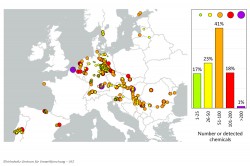
UFZ researchers have analysed samples from 22 European rivers and found more than 500 chemicals, some of which were in high concentrations. In order to assess their additive effects on aquatic organisms, they applied the concept of the chemical footprint.»






Robust Water Cycle Information for Germany: Validation, Significance and Indicators
“The Influence of Selenium on Arsenic Transport by Human Hepatocytes”
“Consumer products as a source of diffuse environmental contamination”
Vortrag im Rahmen der Public Climate School Leipzig 2024