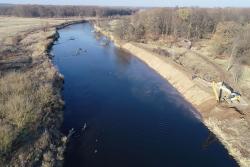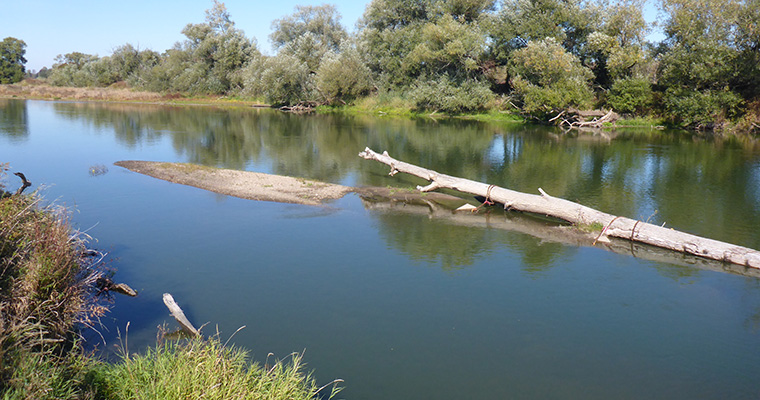
Stream restoration often focuses on improving physical habitat structure. However, a new UFZ-led study shows that ecosystem functions frequently fail to recover. This poses a challenge for achieving the objectives of the EU Nature Restoration Regulation. »
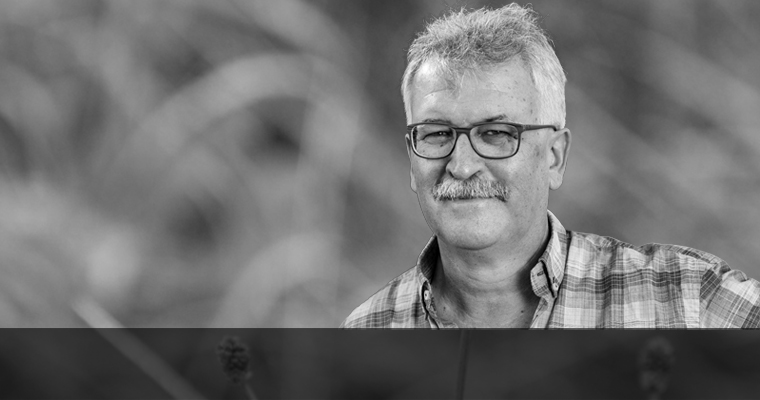
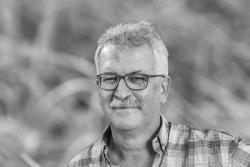
Prof Dr Josef Settele was an agroecologist by profession, a insect researcher by passion, a science communicator driven by his conviction and concern for biodiversity, and a great humanitarian. On 9 October, 2026, he passed away suddenly and unexpectedly at the age of 65. »
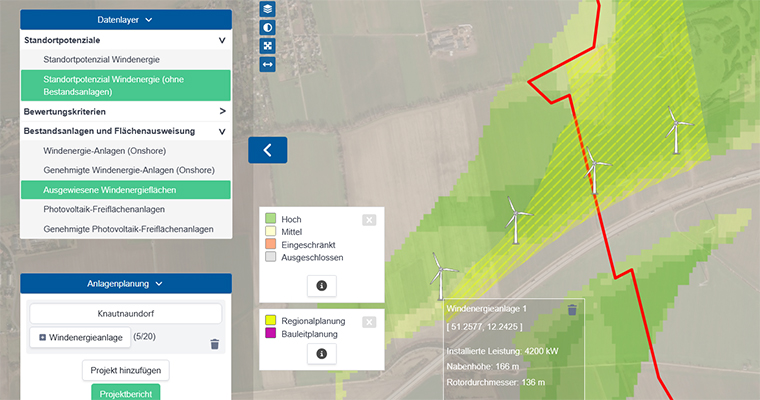
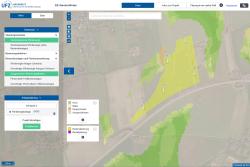
Where in Germany are conditions favourable for wind turbines and open-space PV systems? What are the arguments against potential sites? How much energy could they generate? The "EE-Standortfinder", an interactive web tool developed at the UFZ, provides the answers. »
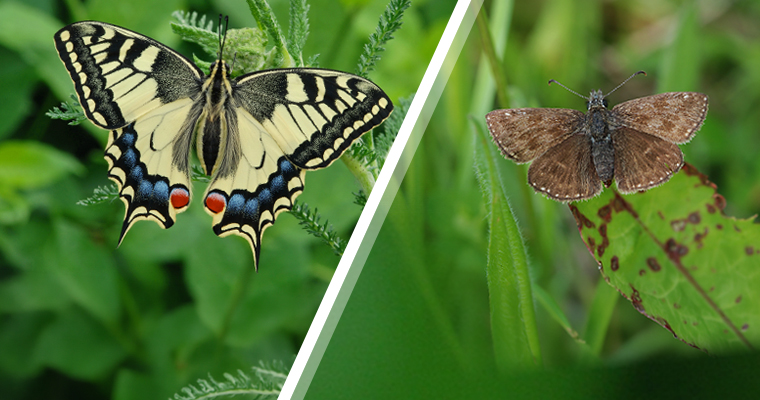
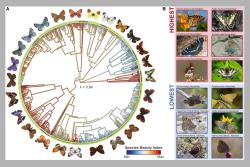
Towards the end of the 2026 butterfly season, this press release deals with a study showing that it is not only the general public who are paying more attention to visually attractive butterflies. Research and conservation efforts, too, are focussing on them more often. »
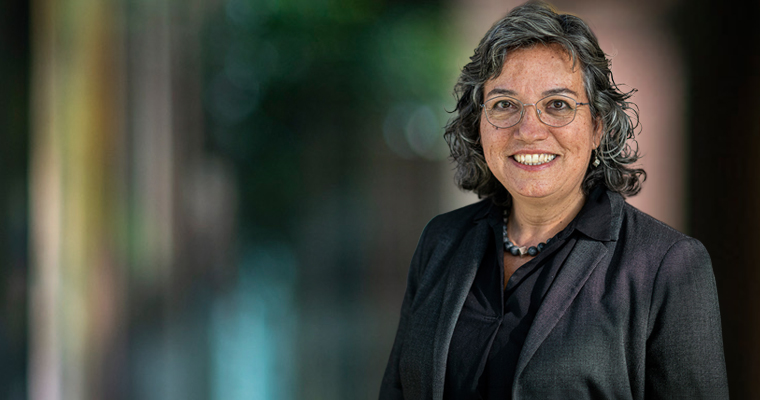
Beate Escher has been awarded the prize for her outstanding work in the development and application of cell-based bioassay methods that replace the use of laboratory animals. The prize, which is open to international entries and is organised by the BMLEH, is worth 100,000 euros.»


UFZ Annual Reception