|
|
|
|
|
|
|
|
|
|
|
A
turbulent year is coming to an end. Worldwide, we are not only
concerned about political conflicts, but also about the state of our
livelihoods: environmental pollution, global warming and species
extinction continue to increase and, despite many negotiations, the
global community has still not managed to agree on effective
countermeasures in 2024. The knowledge would be there: researchers
around the world have created a good basis. So let's keep the dialogue
going. There is only one earth!
|
|
|
|
|
|
|
|
COP29
|
|
No breakthrough for climate finance
|
|
|
|
|
|
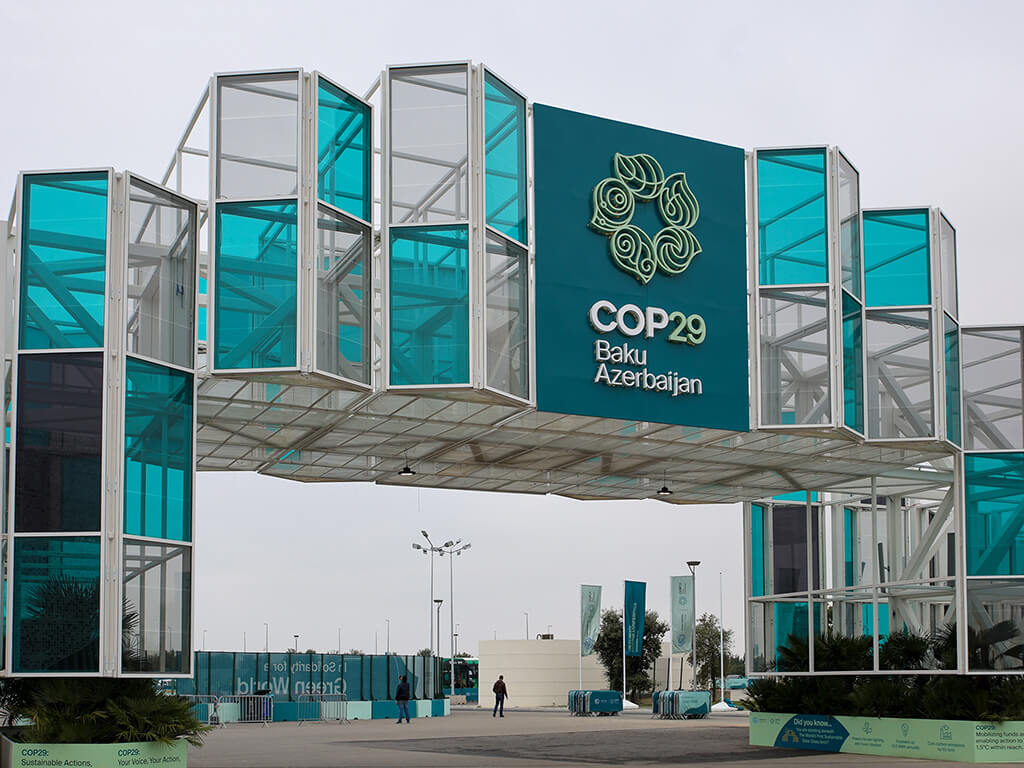
The 29th
UN Climate Change Conference focused on financial aid to support
developing countries in climate protection, climate adaptation, and the
mastering of losses and damages. The resolution was largely deferred to
the next summit in Brazil. The CO₂ markets, ruled by the Paris
Agreement, are set to commence. “Little progress” is the conclusion of
climate economist Prof Reimund Schwarze and forest expert Dr Friedrich
Bohn from the UFZ.
|
|
|
|
|
|
White Smokers
|
|
Spectacular Chimneys discovered in the Dead Sea
|
|
|
|
|
|
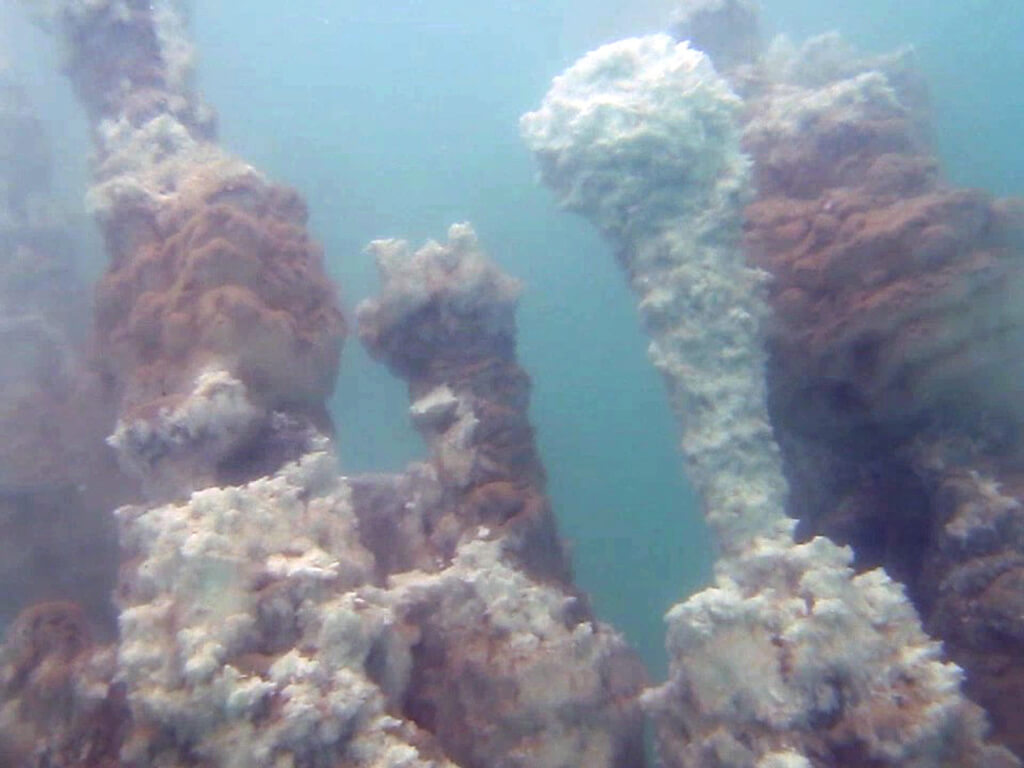
In
a UFZ coordinated project, researchers have discovered meter-high
chimneys on the floor of the Dead Sea. These are formed by the
spontaneous crystallization of minerals from groundwater with an
extremely high salt content flowing up out of the lake floor, they
report in Science of the Total Environment. Discovered for the
first time, these chimneys are an important early warning indicator for
sinkholes. The subsidence craters are an eminent hazard for the
population.
|
|
|
|
|
|
|
|
|
|
|
|
|
|
Extreme Events
|
|
The 2022 Drought: What was the Role of Climate Change?
|
|
|
|
|
|
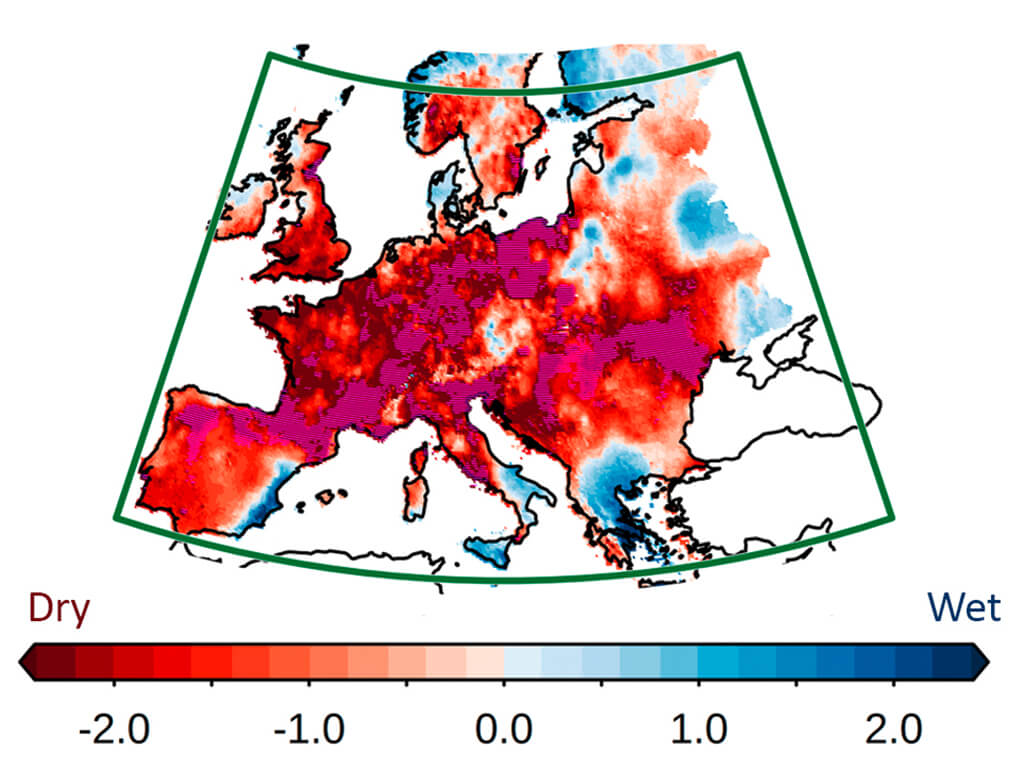
A
research team coordinated by the UFZ has discovered that more than 30
percent of the extraordinary intensity and physical extent of the
drought that affected large parts of Central / Southern Europe in the
summer 2022 can be attributed to human-induced climate change. As they
write in Nature Geoscience, this extreme event was exacerbated
by the fact that climate change had already caused soil moisture levels
to drop continuously over the previous years.
|
|
|
|
|
|
Climate Change
|
|
Mobilisation of Toxic Metals in Soils
|
|
|
|
|
|
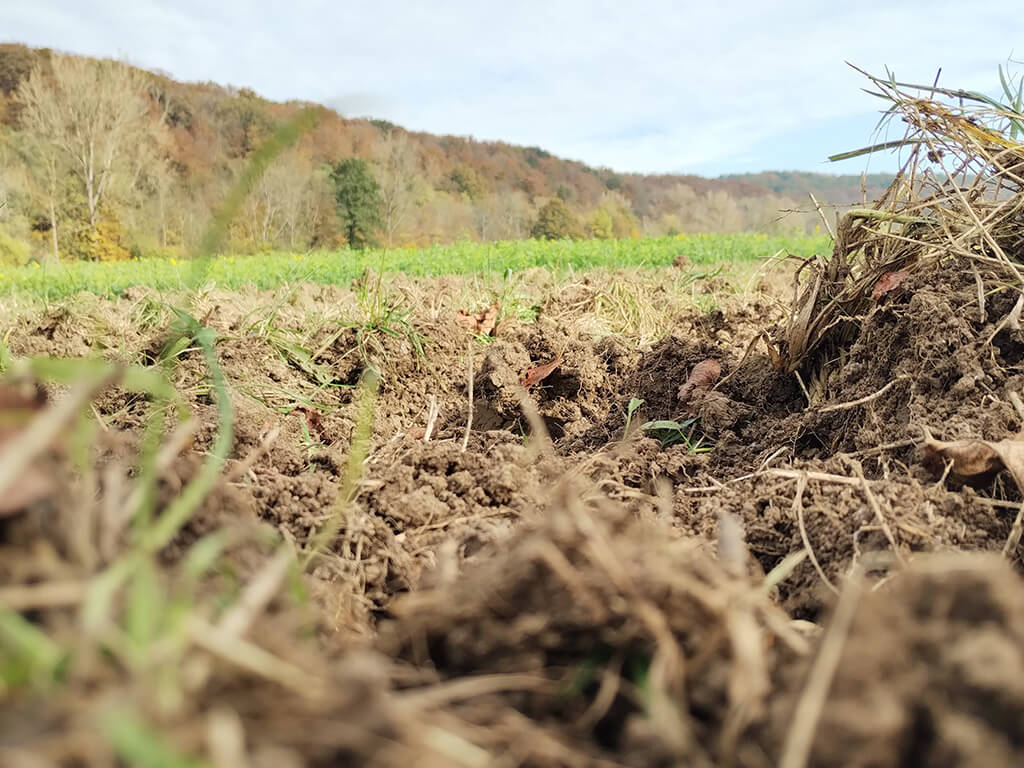
Climate
change could cause toxic metals that occur naturally in soils to become
more mobile, destabilise ecosystems and increasingly enter the human
food chain via agriculture. Scientists from the UFZ and the University
of Tübingen have investigated this in an experimental study focusing on
the behaviour of the toxic metal cadmium. Its mobility could increase by
around 40 percent under future climate conditions. The study was
published in Nature Communications Earth & Environment.
|
|
|
|
|
|
|
|
|
|
|
|
|
|
Risks from Chemicals
|
|
How can pregnant Women protect themselves from Pollutants?
|
|
|
|
|
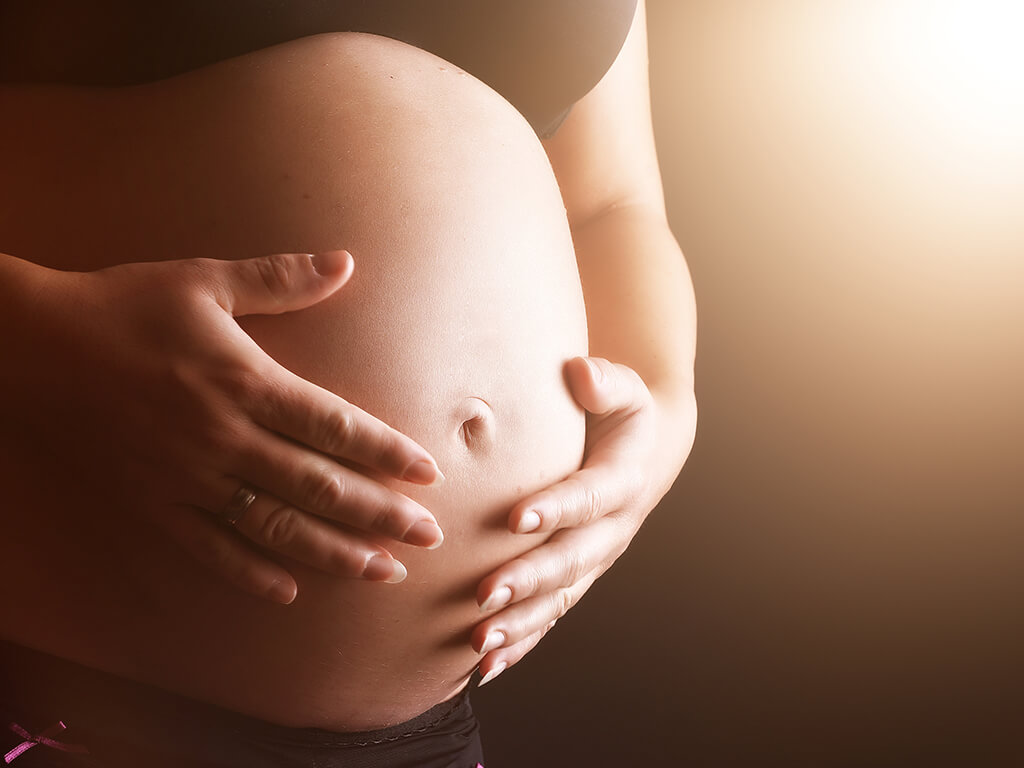
We
come into contact with dozens of environmental chemicals every day.
Many of the chemicals are harmless, but some can endanger our health –
especially during pregnancy. How can we protect ourselves better? UFZ
scientists Dr Nicole Meyer and Dr Florence Fischer explain this in a
detektor.fm podcast.
|
|
|
|
|
|
|
|
|
|
|
|
Plastics
|
|
Moving beyond the Perspective on Waste
|
|
|
|
|
|
In an overview study for the journal Environment International,
an interdisciplinary UFZ team has evaluated more than 19,000 scientific
studies and analysed the impacts of plastics on the three planetary
crises of climate change, biodiversity loss and environmental pollution.
Against the context of international efforts to reach a global UN
plastics treaty, they are calling for regulations that account for the
multifaceted impacts of plastics in these three crises.
|
|
|
|
|
|
Policy Brief
|
|
Potential for better Chemicals Regulation
|
|
|
|
|
|
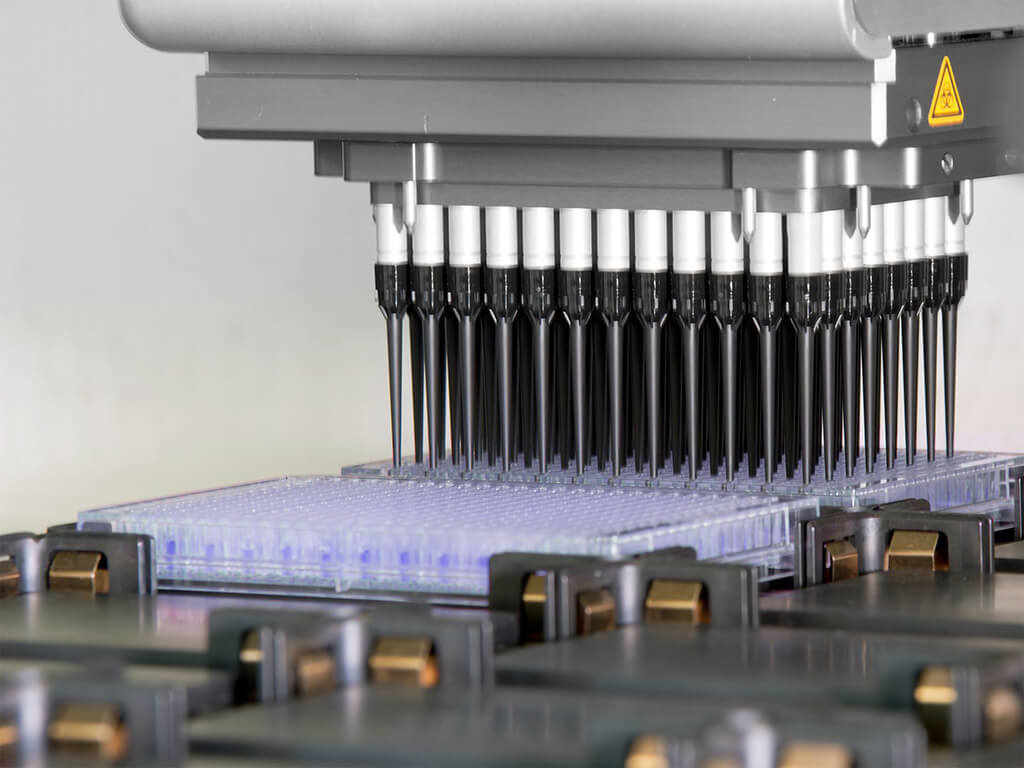
The
global production of chemicals is expected to triple by 2050. So, we
are exposed to more and more chemicals that are released into the
environment and can endanger biodiversity and our health. The existing
risk assessment procedures in the EU are too slow, too cumbersome and do
not fulfil the regulatory requirements. Helmholtz researchers and
representatives from NGOs, industry and authorities are therefore
increasingly calling for New Approach Methodologies (NAMs).
|
|
|
|
|
|
|
|
|
|
|
|
|
|
Biodiversity, Climate Change and Species Conservation
|
|
Biodiversity and the Basis of our Livelihood
|
|
|
|
|
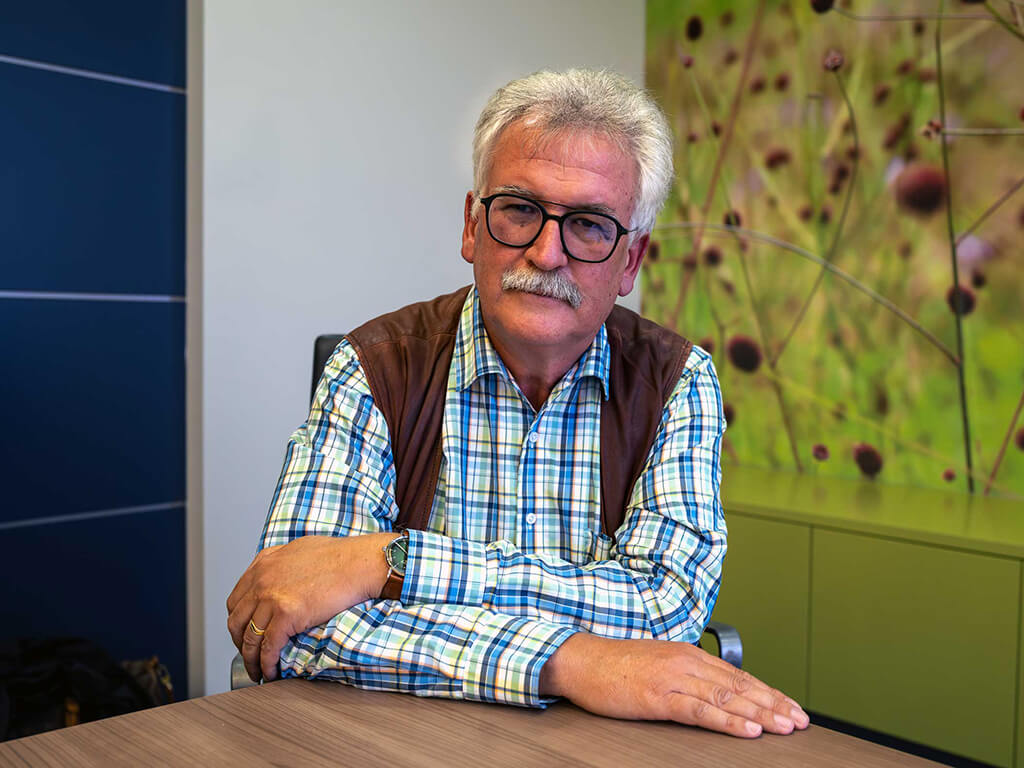
While
climate change is now widely recognised and understood as a threat, for
many people the threat to biodiversity remains an abstract problem that
is difficult to grasp. Yet the two phenomena are closely linked and
influence each other. How? UFZ agricultural biologist Prof Josef Settele
explains in the 48forward podcast.
|
|
|
|
|
|
|
|
|
|
|
|
Statement
|
|
Rethinking Agricultural Productivity: More than Yield and Land Area
|
|
|
|
|
|
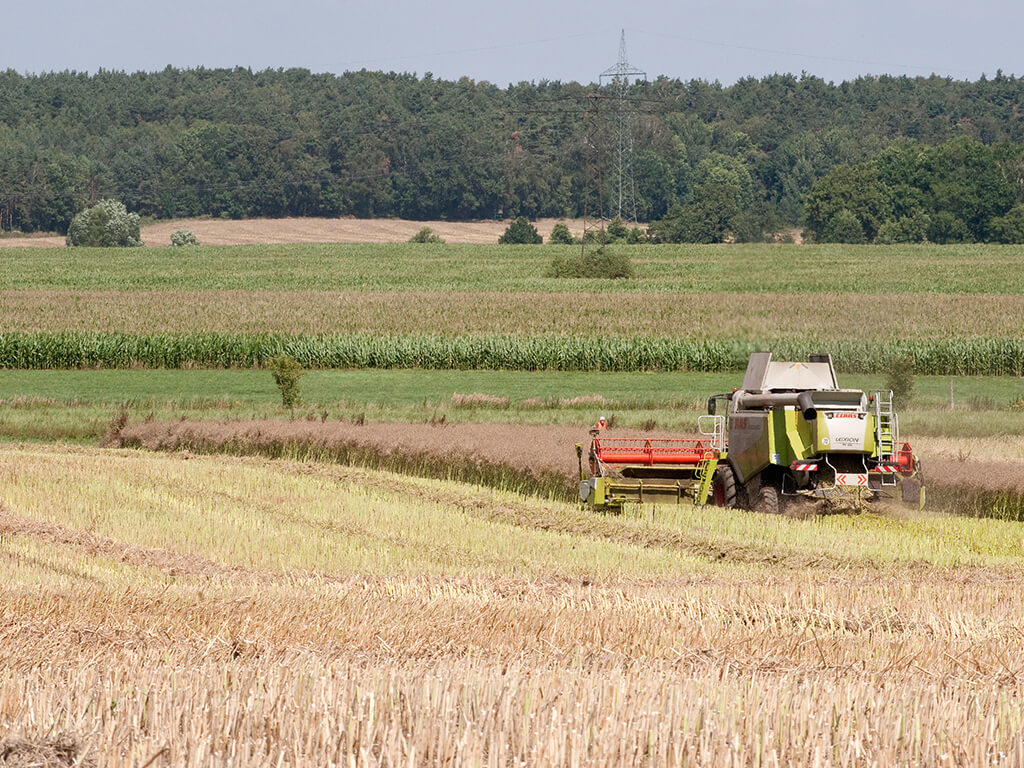
Traditionally,
agricultural productivity has been evaluated as yield per unit of land.
In view of climate change, limited resources and environmental impacts,
this way of thinking falls short, write UFZ researchers in their
statement. They redefine agricultural productivity as a multifaceted
concept that extends beyond area-based yield.
|
|
|
|
|
|
Discussion Paper
|
|
BECCS – a Sustainable Contribution to permanent CO2 Removal?
|
|
|
|
|
|
The German government is preparing the introduction of CO2
Removal Technologies with its Long-term Strategy for Negative
Emissions. Could bioenergy with Carbon Capture and Storage play a role
in this? Based on the current material flows of the bioenergy system,
researchers from UFZ and DBFZ discuss this question in their paper.
|
|
|
|
|
|
|
|
|
|
|
|
|
|
|
|
|
|
FILM TIP
|
|
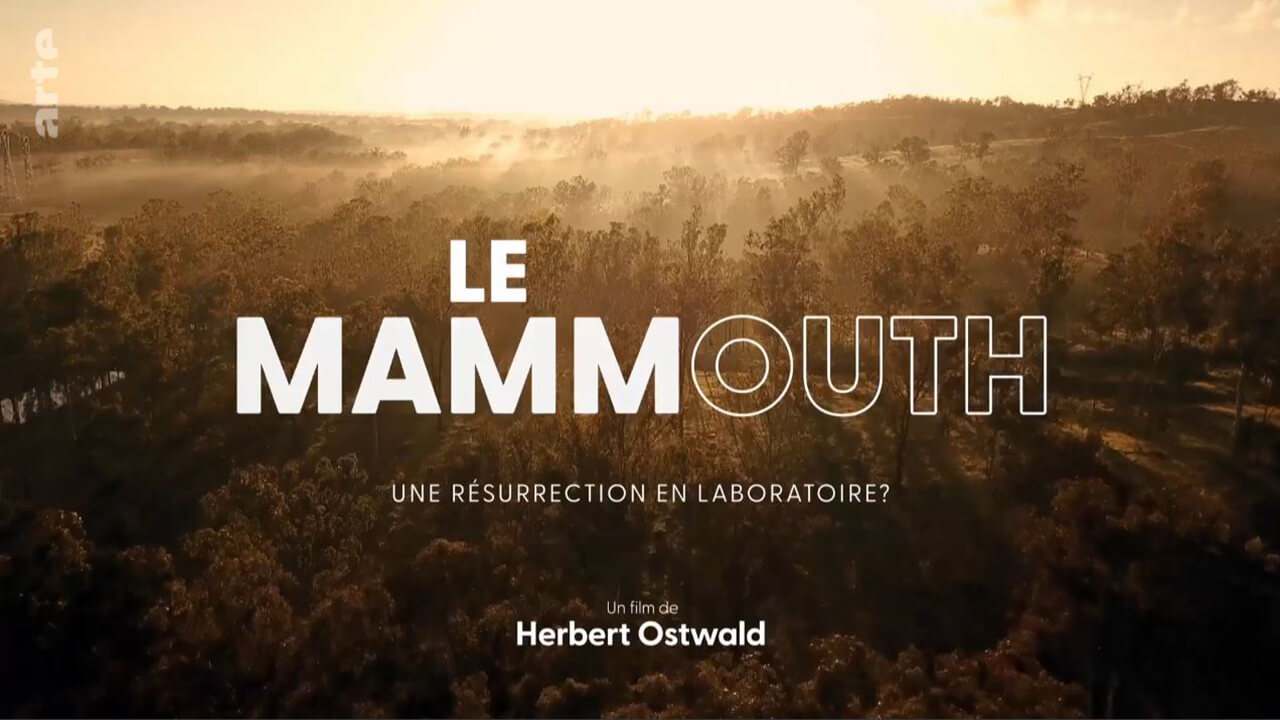
A Mammoth Project – the Rebirth of extinct Species
|
|
|
|
|
It's
not just mammoths and Tasmanian Tiger that are set to return to save
endangered habitats. Researchers around the world are working to
recreate animal species that have disappeared. Using modern
biotechnology and genetic engineering, they are extracting blueprints of
their lost genetic material from museum exhibits. Is this a hope for
the future or is science playing God – with unforeseeable consequences?
|
|
|
|
|
|
|
|
|
|
|
|
|
|
|
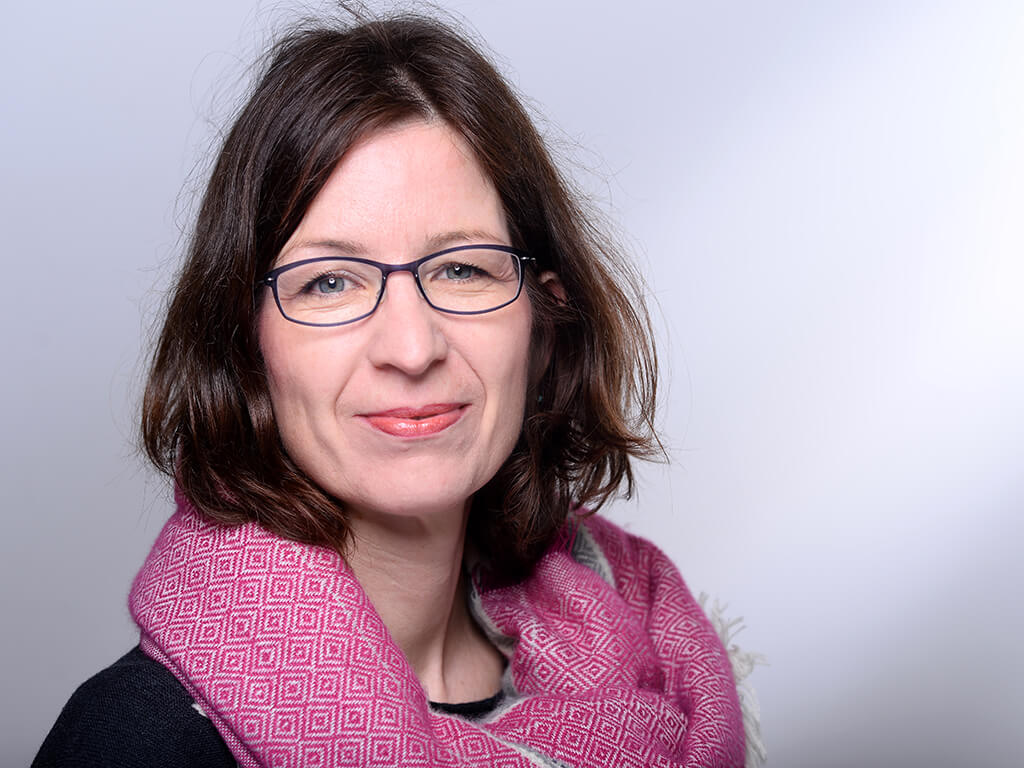
Prof Aletta Bonn
|
|
|
Biologist
Aletta Bonn, Head of the Department of Biodiversity and People at UFZ
and iDiv, is one of the nine scientists appointed by the Federal Cabinet
to the German Advisory Council on Global Change (WBGU) on 1 November.
The WBGU is fully independent in its work and choice of topics. It is
monitored and supported by an interministerial committee of the federal
government in which the Federal Chancellery and all the ministries are
represented.
|
|
|
|
|
|
|
|
|
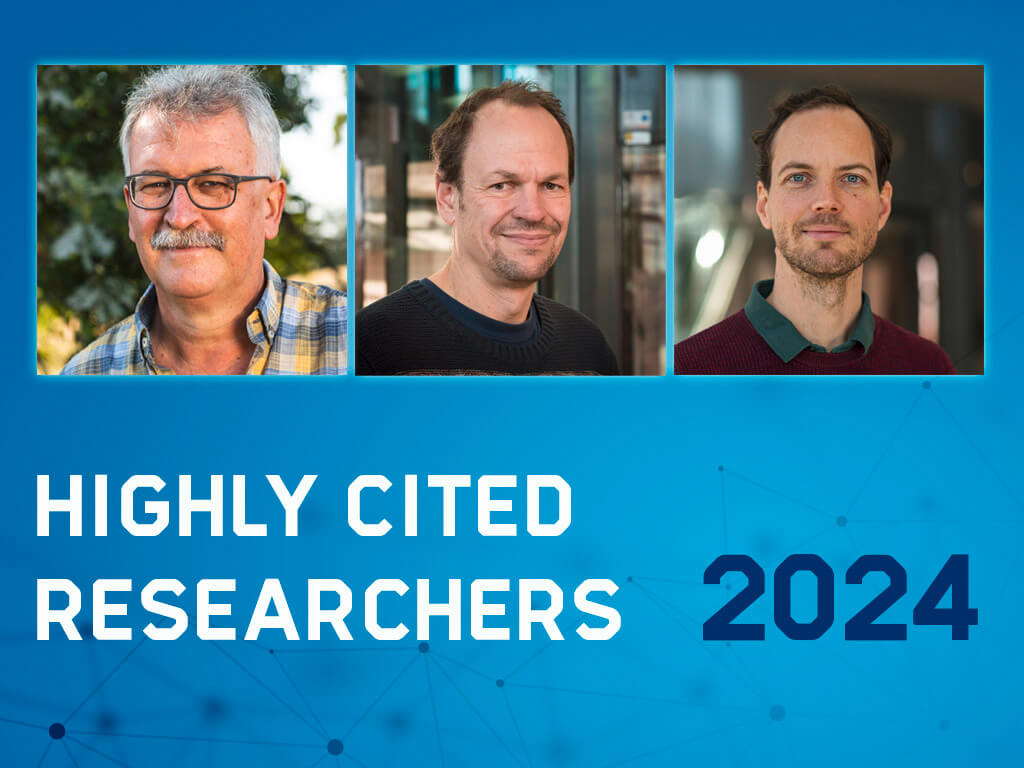
Prof Josef Settele, Prof Ingolf Kühn und Prof Jakob Zscheischler
|
|
|
Three
UFZ scientists – agroecologist Josef Settele, macroecologist Ingolf
Kühn and climate scientist Jakob Zscheischler – are represented in the
annual ranking of the most cited and therefore most influential
researchers worldwide in 2024. Each researcher selected has authored
multiple Highly Cited Papers™ which rank in the top 1 percent by
citations for their field and publication year in the Web of Science™
over the past decade.
|
|
|
|
|
|
|
|
|
|
|
|
|
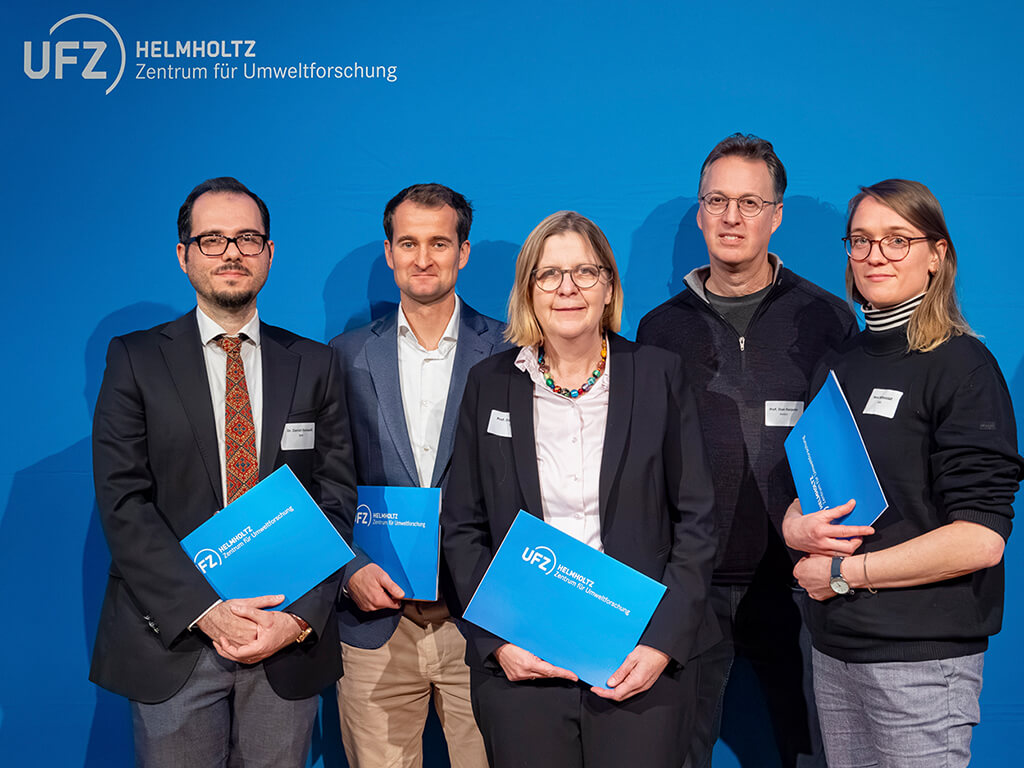
UFZ Research Award 2024
|
|
|
|
|
Ecologist
Prof Stan Harpole (UFZ/iDiv) and a UFZ team led by bioenergy expert
Prof Daniela Thrän – Dr Danial Esmaeili Aliabadi, Dr Matthias Jordan and
Nora Mittelstädt – share the UFZ research award, which is endowed with
10,000 euros. With this award, the jury honours the excellent scientific
achievements of the award winners over the past three years.
|
|
|
|
|
|
|
|
|
|
|
|
|
|
|
Scientific Evaluation
|
|
February 3-6 I UFZ intern
|
|
|
Helmholtz’
program-oriented funding (PoF) is a major source of funding for all
Helmholtz Centers. It requires a regular evaluation of the quality of
research. The UFZ will be evaluated from February 3-6, 2025. A group of
around 20 international reviewers, chaired by the Dutch science manager
Dr Bram de Vos, will come to Leipzig and evaluate the UFZ
research.
|
|
|
|
|
|
|
|
|
|
|
|
DBU digital: Why Business and Science expect a courageous Biodiversity Policy
|
|
February 19 I 1-3 p.m. I Discussion I Digital
|
|
|
What
will the biodiversity policy of the next German government look like?
Will it succeed in anchoring what was once a niche topic as one of the
central issues in all policy areas and thus realise its potential for
the economy, health and society? Immediately before the general
election, experts from science and economy formulate their most
important expectations of the future government. Among others with: Prof
Katrin Böhning-Gaese, Dr Eckart von Hirschhausen and Prof Johannes
Vogel.
|
|
|
|
|
|
|
|
|
|
|
|
|
|
|
|
|
|
|
|
|
|
|
|
|
|
|
|
|
|

|
|
|
SOCIAL MEDIA
|
|
|
You can find even more topics from the research centre
on our website and social media channels:
|
|
|
|
|
|
|
|
|
|
|
|
|
|
|
|
PUBLISHER
Helmholtz-Zentrum für Umweltforschung - UFZ
Permoserstraße 15, 04318 Leipzig
Text / image editing: Susanne Hufe I Benjamin Haerdle I Doris Wolst • presse@ufz.de
Photo credits:
Susan Walter-Pantzer I UFZ • Mike Muzurakis I IISD ENB • Christian
Siebert I UFZ • Sören Drabesch I UFZ • underdogstudios I fotolia •
uladzimirzuyeu I AdobeStock • Bodo Tiedemann • Daniel Fuerg • André
Künzelmann I UFZ • Sebastian Wiedling I UFZ • Backcountry Media I
AdobeStock • ARTE-TV
|
|
|
|
|
|