|
|
|
|
|
|
|
Katrin Böhning-Gaese:
|
|
„With a Diverse Nature, we could Overcome some Crises“
|
|
|
|
|
|
|
|
|
|
During
the Paris climate negotiations in 2015, the saying was coined that the
climate catastrophe was “the mother of all problems”. Since then, there
have been repeated new temperature records, years with droughts or
unusual flooding. Biodiversity is also suffering significant losses.
However, this polycrisis can be countered by promoting biodiversity -
with positive side effects for ecosystems, the economy and health.
Nature can thus make a key contribution to overcoming many crises.
|
|
|
|
|
|
|
|
|
|
|
|
|
|
Research Policy
|
|
Consequences of US Research Policy
|
|
|
|
|
|
US
President Donald Trump announced a series of radical regulatory
measures in research, some of which have already been implemented. These
cuts not only affect research and teaching in the USA, but also have an
impact on the international scientific community. There is great
concern that important research data stored in the USA will be blocked.
That is why researchers from all over the world are currently trying to
secure data. The UFZ is also involved.
|
|
|
|
|
|
Water Research
|
|
UFZ Success in Helmholtz Initiative “Water Security”
|
|
|
|
|
|
Helmholtz
is providing up to 9 million euros for the water initiative between
2026 and 2028 in the field of water and health safety for people and the
environment. In the first selection round, the UFZ and its partners
were chosen as coordinators of two Solution Labs: “Securing terrestrial
water cycles: Solution Lab for the Elbe River Basin” and “Urban
blue-green-red water systems for Leipzig”. It is also a partner in the
Solution Lab “Rur-Erft”.
|
|
|
|
|
|
|
|
|
|
|
|
|
Chemical Policy
|
|
Stockholm Declaration: Appeal for more Sustainability in Chemistry
|
|
|
|
|
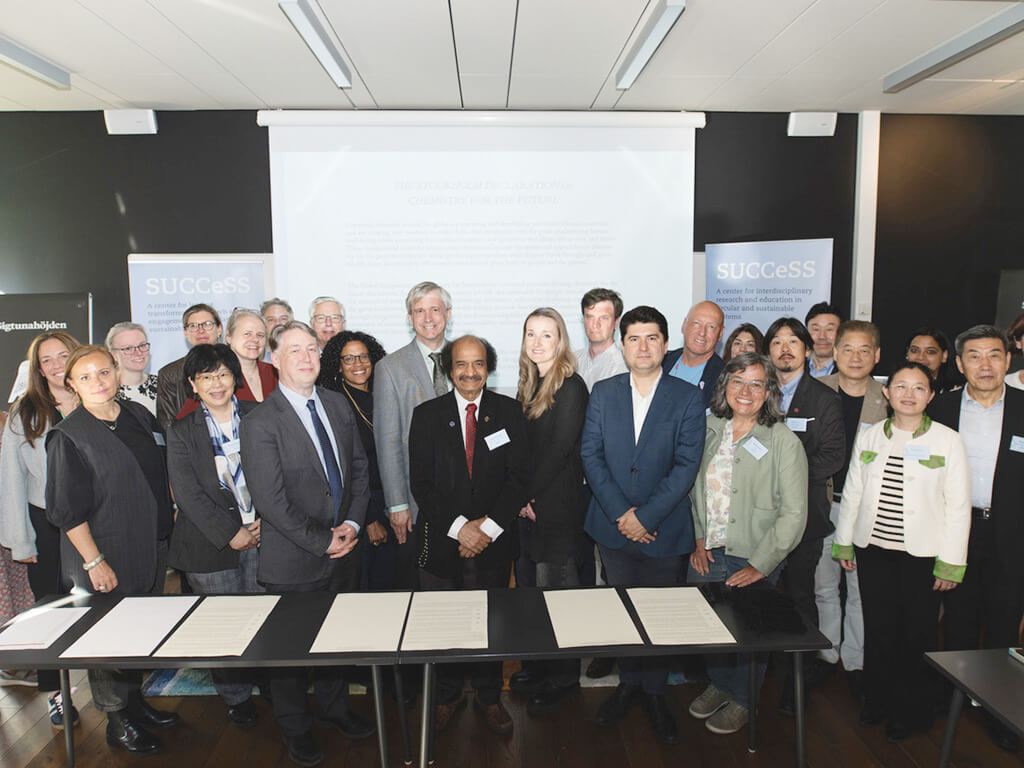
In
the "Stockholm Declaration on Chemistry for the future", scientists
advocate sustainable chemistry. In the design, development and
implementation of chemical products and processes, greater consideration
must be given to the risks to people and the environment. One of the
first signatories is UFZ environmental toxicologist Prof Beate
Escher.
|
|
|
|
|
|
|
|
|
|
|
Pandemic Prevention
|
|
WHO adopts One Health Approach
|
|
|
|
|
|
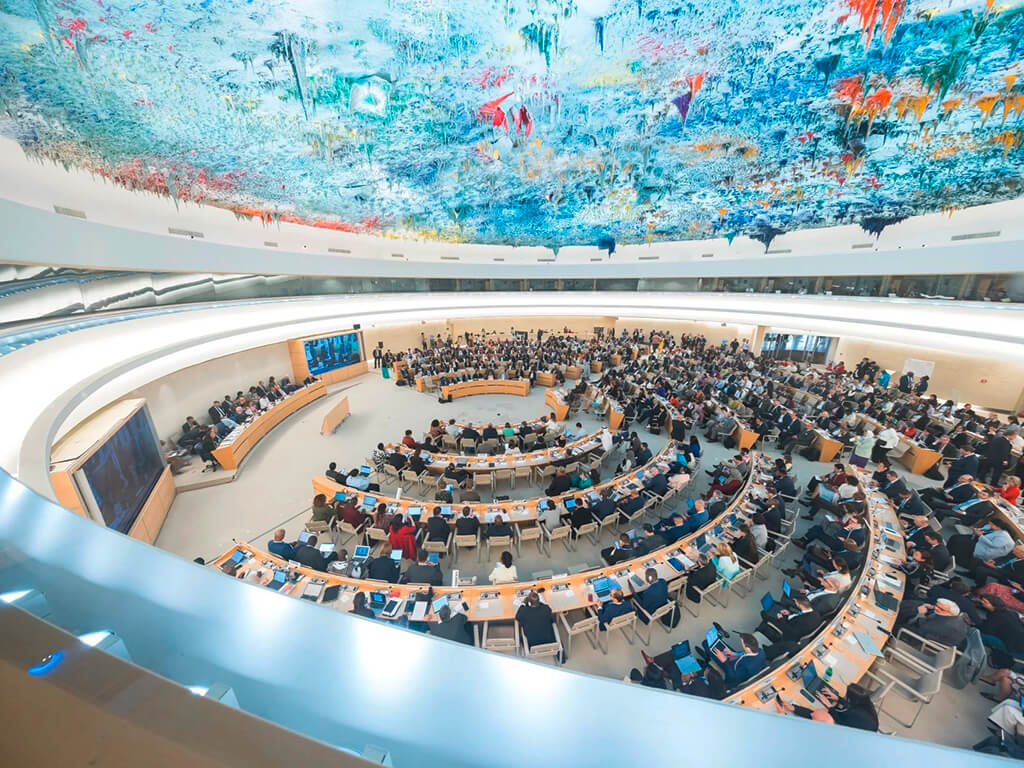
The
member countries of the World Health Organisation (WHO) have adopted a
Pandemic agreement in order to be better prepared for pandemics in the
future. The agreement is based on One Health - an approach that
considers the health of humans, animals and plants in the ecosystem
simultaneously and optimizes it holistically. Helmholtz researchers such
as UFZ biodiversity expert Prof Josef Settele had campaigned for
this.
|
|
|
|
|
|
Excellence Strategy
|
|
“Leipzig Center of Metabolism” successful
|
|
|
|
|
|
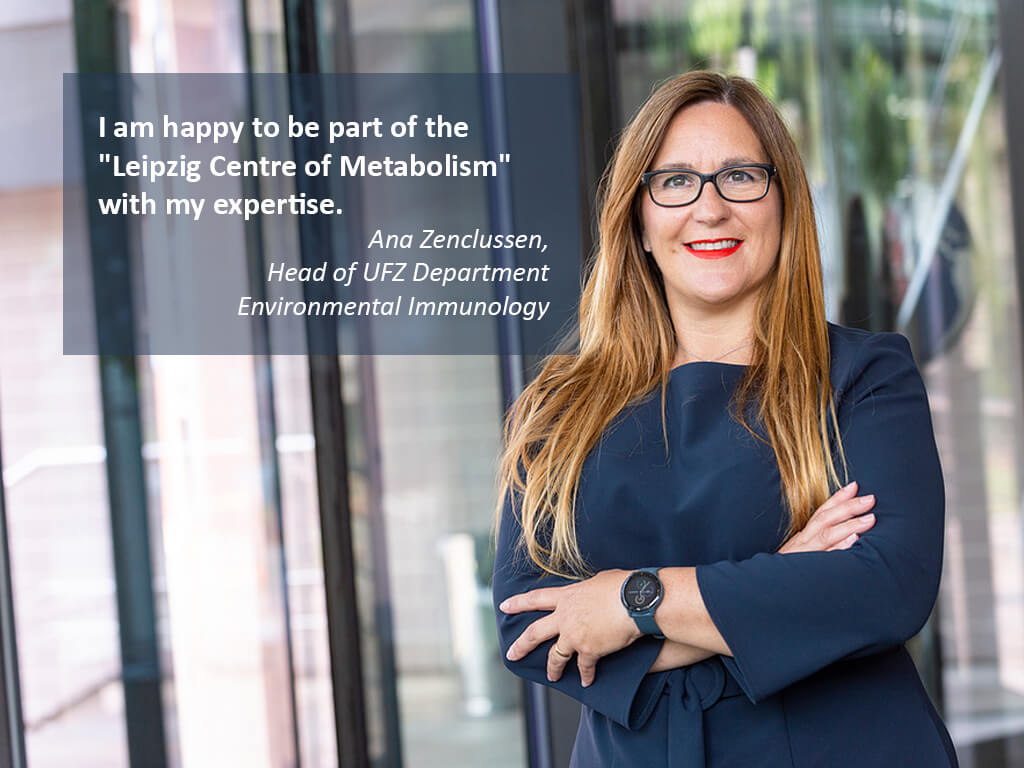
Excellent
success for Leipzig University and its partners: the Leipzig Center of
Metabolism (LeiCeM) has been awarded millions in funding as part of the
Excellence Strategy. The UFZ is involved through the environmental
immunologist Prof Ana Zenclussen, who heads one of the 25 sub-projects
and is investigating the effects of environmental toxins on fetal and
placental development. She is also involved in three other
sub-projects.
|
|
|
|
|
|
|
|
|
|
|
|
|
|
RECOMMENDED READING
|
|
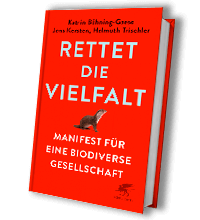
“Rettet die Vielfalt” – Manifesto for a Biodiverse Society
|
|
|
"We
need to rethink our lives from the ground up: as an industrialized,
affluent society, we have exploited nature. It is time to see ourselves
as a species that is part of a biodiverse society." The authors –
history professor Helmuth Trischler, lawyer Jens Kersten and the
biodiversity researcher and UFZ director Katrin Böhning-Gaese – are open
and forward-looking in their program and show how our self-image will
change if we orientate ourselves towards cross-species
coexistence.
|
|
|
|
|
|
|
|
|
|
|
|
|
|
|
Cross-Border Cooperation
|
|
Climate Change Shifts Wildfire Seasons
|
|
|
|
|
|
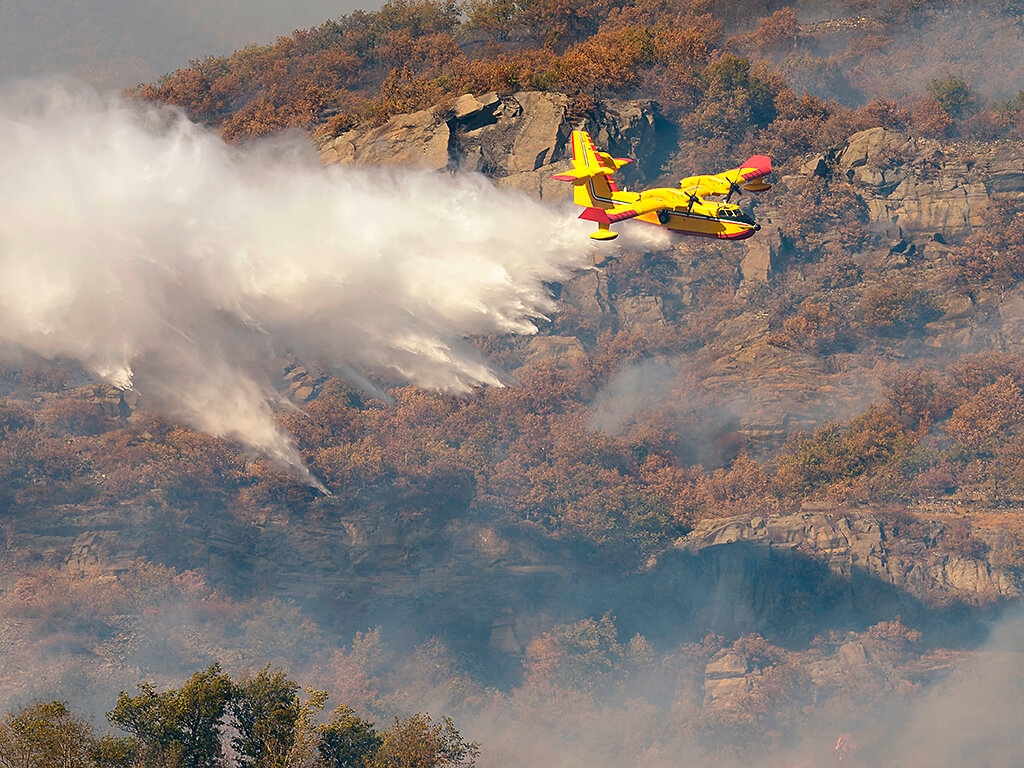
Climate
change is increasing the risk of wildfires in many regions of the
world. One of the main reasons for this is the so-called fire weather.
Together with colleagues from Australia, UFZ researchers are writing in
the scientific journal Earth's Future that the seasons of this
fire weather are increasingly overlapping between eastern Australia and
western North America. This makes it difficult for fire brigades in
Canada, the USA and Australia to work together when fighting
fires.
|
|
|
|
|
|
PFAS
|
|
Influence Cellular Immune Response to COVID-19
|
|
|
|
|
|
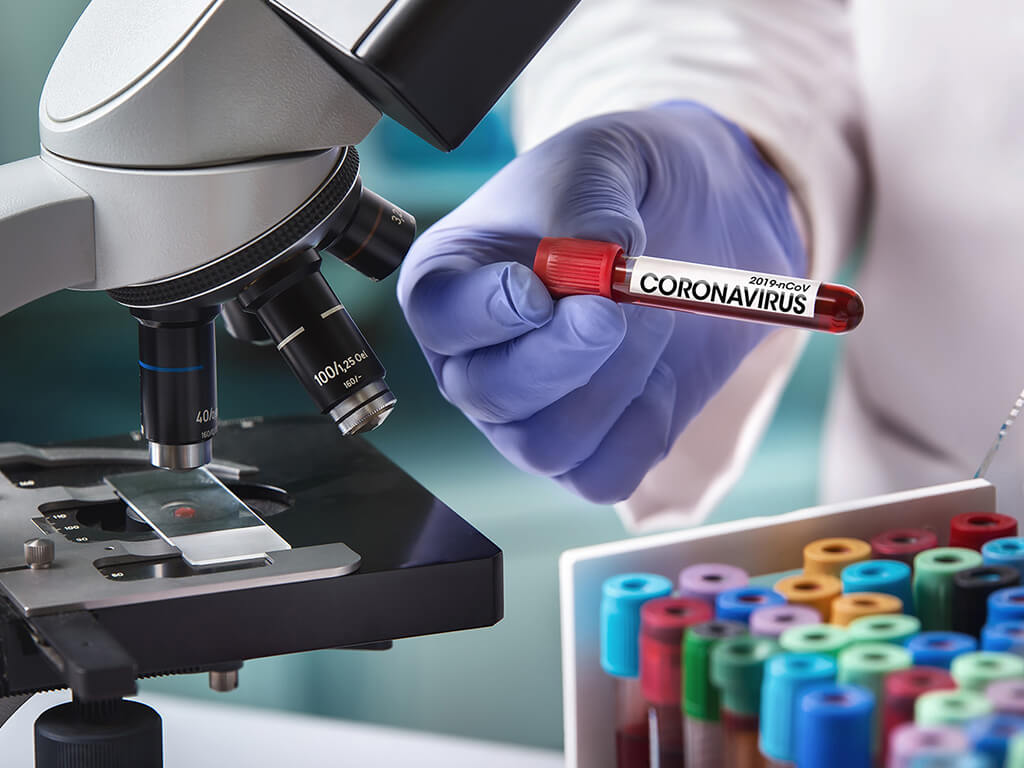
In
a recent study, researchers from UFZ and the Norwegian Institute of
Public Health show that high exposure to the “forever chemical”’ PFAS
has a negative effect on the cellular immune response to the SARS-CoV-2
virus. People who are exposed to high levels of PFAS may have a
suboptimal immune response to vaccination. In addition, high PFAS
exposure affects the immune system differently depending on sex. The
study has been published in the journal Environment International.
|
|
|
|
|
|
|
|
|
|
|
|
|
|
|
|
PORTRAIT
|
|
|
|
|
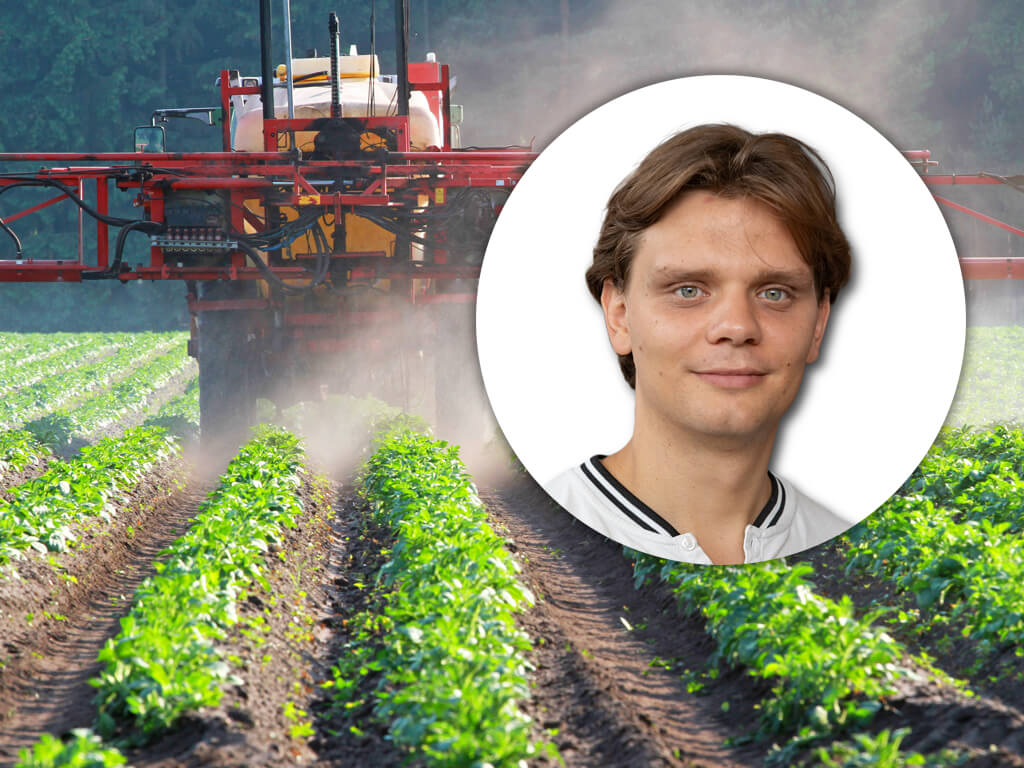
Dr Emanuele Bevacqua
|
|
|
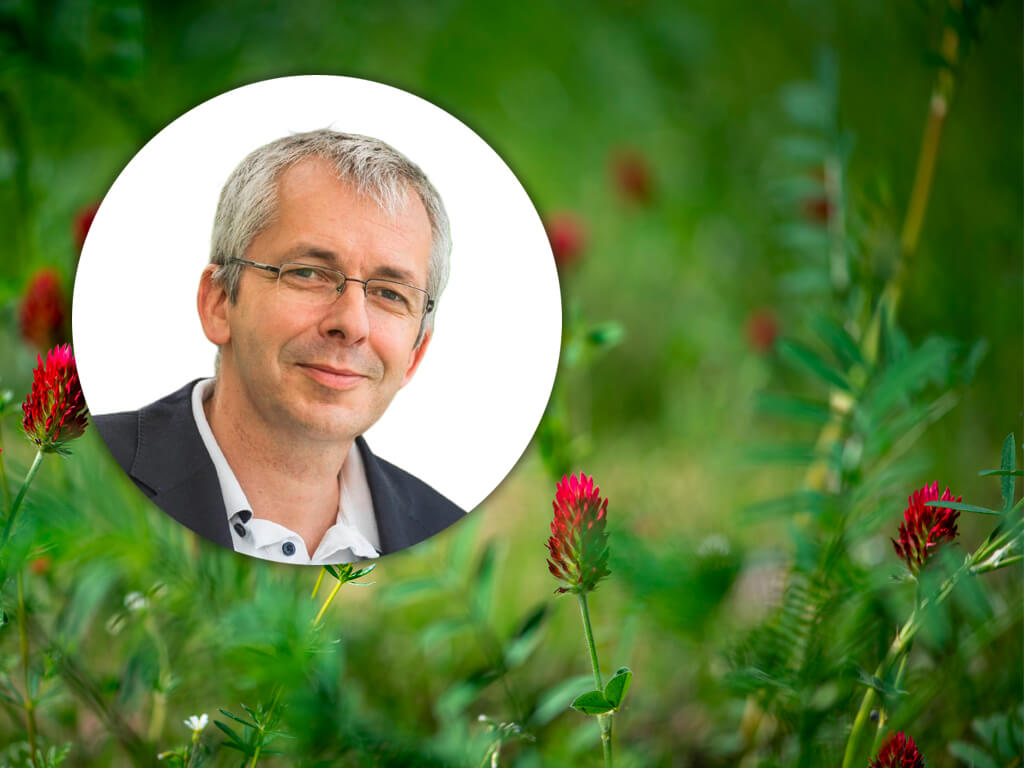
“Our
understanding of climate-related extreme events such as droughts or
flooding is limited because we tend to look at individual hazards in
isolation”, says the UFZ climate scientist Emanuele Bevacqua. In his DFG
Emmy Noether junior research group, he is therefore investigating the
causes and development of so-called compound events, i.e. weather and
climate events that occur at the same time and can therefore have
catastrophic consequences.
|
|
|
|
|
|
|
|
|
|
|
|
|
Biotechnology
|
|
Electroactive Bacteria for Sustainable Production
|
|
|
|
|
|
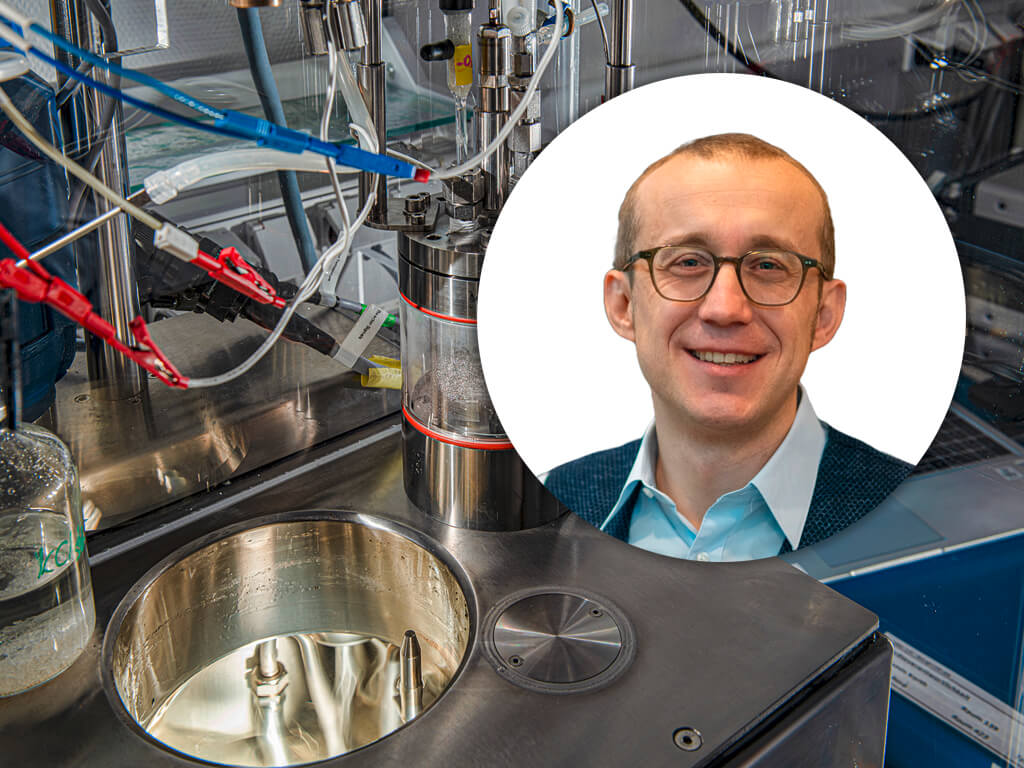
Electro-
bio-refineries – ever heard of them? In the podcast, UFZ scientist Prof
Falk Harnisch not only explains this unwieldy term, but also reports on
the biochemical processes that take place in electro-biorefineries and
the role played by electroactive bacteria. Falk Harnisch and his team
“feed” these microorganisms with an electric current and utilize their
ability to “eat clean” wastewater or build environmentally friendly
plastics.
|
|
|
|
|
|
Environmental Economics
|
|
Climate Change and the Economic Value of Nature
|
|
|
|
|
|
What
is the economic value of nature? This question sounds as difficult as
it is futile to answer, because nature is not a clearly demarcated
space. And why should such a value be of interest at all? Perhaps
because nature has an inestimable value for mankind. In this podcast UFZ
environmental economist Prof Bernd Hansjürgens explains why he tries to
measure the economic value of nature and what options there are for
doing so.
|
|
|
|
|
|
|
|
|
|
|
|
|
|
Narratives
|
|
Discourses in Environmental Politics
|
|
|
|
|
Contradictory
narratives often clash in environmental politics. These discourses are
analysed at the UFZ. How can an understanding work? In this podcast,
Henry Hempel, economic sociologist and doctoral student at the UFZ, uses
the example of chemicals politics to explain how discourses work and
what new methods of communication could look like.
|
|
|
|
|
|
|
|
|
|
|
Mobility Research
|
|
Leipzig – Model City for AI supported Traffic Control
|
|
|
|
|
|
The
Federal Ministry of Transport presented the cities of Leipzig and
Landau (Pfalz) as the first pilot regions in the AIAMO research project
(Artificial Intelligence and Mobility). The aim is to use mobility data
efficiently in order to optimize traffic management and minimize CO2
emissions. In close cooperation with the city of Leipzig, the UFZ is
coordinating the planning and development of a comprehensive measurement
network to record urban air quality.
|
|
|
|
|
|
Plant Ecology
|
|
Dark Diversity – the unknown Side of Plant Diversity
|
|
|
|
|
|
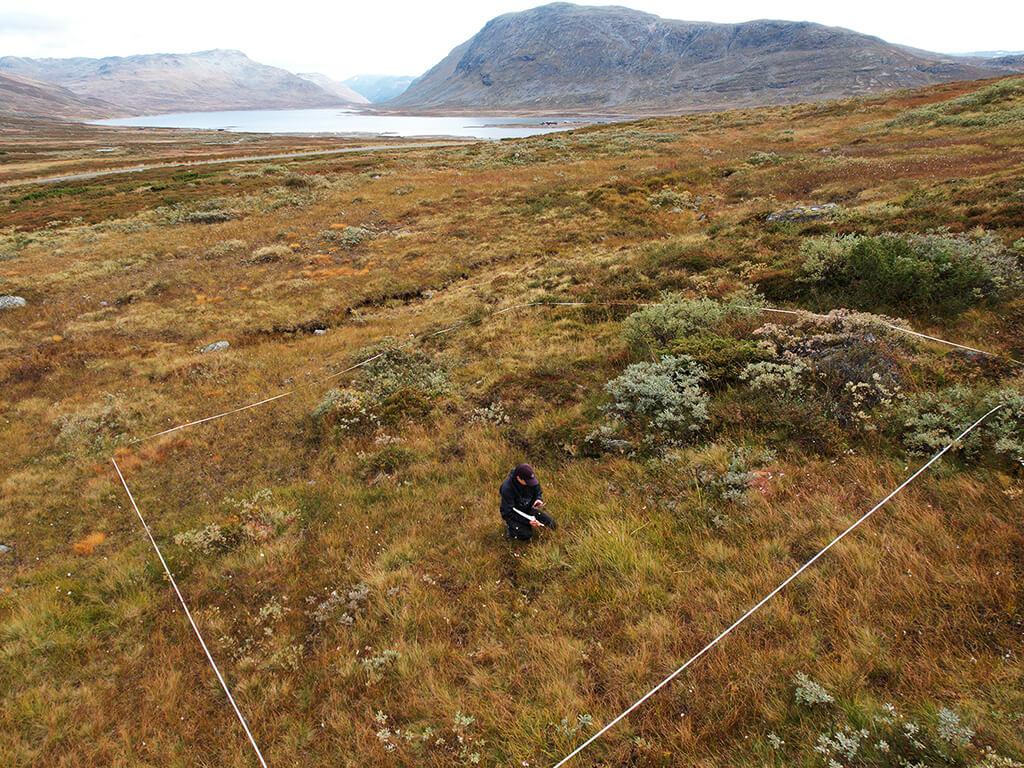
Often,
plant species are missing from the natural vegetation where they should
actually occur due to the ecological conditions in these areas. Dark
diversity is particularly high in regions that are heavily influenced by
humans. This is shown by an international study published in Nature, in
which the UFZ was involved. More than 200 researchers from the
DarkDivNet network analyzed plant diversity at nearly 5,500 sites in 119
regions worldwide.
|
|
|
|
|
|
|
|
|
|
|
|
|
|
|
|
|
Prof Dr Katja Bühler
|
|
|
Microbiologist
Katja Bühler, who heads the UFZ Department of Microbial Biotechnology,
has been appointed as a full member of the Technical Science Class of
the Saxon Academy of Sciences in Leipzig (SAW). The SAW is a scholarly
society rich in tradition, consisting of nationally and internationally
recognised scholars whose research has contributed to a significant
expansion of knowledge in their field.
|
|
|
|
|
|
|
|
|
Dr Mariana Madruga de Brito
|
|
|
Mariana
M. de Brito, scientist at the UFZ Department Urban and Environmental
Sociology, has been honoured by the European Geosciences Union (EGU)
with the Arne Richter Award for Outstanding Early Career Scientists.
This honours her outstanding contributions to understanding of the
socio-economic impacts and risk mitigation of extreme hydrological
events, using natural language processing and social science
computational methods.
|
|
|
|
|
|
|
|
|
|
|
|
|
|
Prof Dr Katrin Böhning-Gaese
|
|
|
|
|
Scientific
Director Katrin Böhning-Gaese was elected to the Academia Europaea
scientific society. The society´s aim is to promote European research
and advise governments and international organisations on scientific
issues. The academy was founded in 1988 and now has more than 5,500
leading experts from the natural sciences and technology, biology and
medicine, mathematics, humanities and social sciences, economics and law
– including 88 Nobel laureates.
|
|
|
|
|
|
|
|
|
|
|
|
|
|
|
The Role of Science
|
|
June 5 I Panel discussion I 18.30 bis 20.30 p.m. I Leopoldina Halle
|
|
|
In
times of multiple crises, the expertise of scientists should have a
social impact. But what role do they play in this: are they neutral
communicators of their knowledge? Or do they themselves become part of
the social discourse? The panel discussion of the Leopoldina Centre for
Science Studies will address these questions using the example of the
discourse on declining biodiversity. Among others on the panel: UFZ
Director Prof Katrin Böhning-Gaese.
|
|
|
|
|
|
|
|
|
|
|
|
|
|
|
Long Night of Sciences
|
|
June 14 I 6-11:00 p.m. I Wissenschaftshafen Magdeburg
June 20 I 6-11:00 p.m. I UFZ Leipzig
July 04 I 5-11 p.m. I UFZ Halle
|
|
|
For
many years, scientific institutions and science-related companies have
been inviting interested citizens of all ages to Long Nights of Science
in cooperation with the local city administrations - including Leipzig,
Halle and Magdeburg. As in every year, the UFZ will be taking part in
2025 with a varied programme of lectures and experiments at all three
locations.
|
|
|
|
|
|
|
|
|
|
|
|
|
|
|
Closing Event “Leipziger Blau-Grün”
|
|
June 18 I Conference I UFZ Leipzig
|
|
|
For
six years, researchers coordinated by the UFZ worked together with the
Leipzig city administration and municipal economy to analyse the
possibilities, effects and framework conditions of blue-green urban
development in the trade fair city. The results of the “Leipzig
BlueGreen” project will be presented and discussed at a public closing
event on 18 June. Representatives from local authorities, the municipal
economy, associations, politics, Science and the administration are
invited.
|
|
|
|
|
|
|
|
|
|
|
|
|
|
|
Exhibition Ship MS Wissenschaft / Topic “Future Energy”
|
|
Summer 2025 I Popular Science Event I Germany
|
|
|
What
will the energy supply of tomorrow look like? The exhibition ship “MS
Wissenschaft” is touring Germany as a science centre until
mid-September, stopping off in 29 cities. The UFZ is also on board with
an exhibit showing how microorganisms and biotechnology enable a
climate-friendly circular economy and which products can be created from
biowaste or CO2.
|
|
|
|
|
|
|
|
|
|
|
|
|
|
|
|
|
|
|
|
|
|
|
|
|
|
|
|
|
|
|
|

|
|
|
SOCIAL MEDIA
|
|
|
You can find even more topics from the research centre
on our website and social media channels:
|
|
|
|
|
|
|
|
|
|
|
|
|
|
|
|
PUBLISHER
Helmholtz-Zentrum für Umweltforschung - UFZ
Permoserstraße 15, 04318 Leipzig
Text / image editing: Susanne Hufe • Benjamin Haerdle • Doris Wolst I presse@ufz.de
Photo credits:
André Künzelmann I UFZ • Peter Kiefer • Vladimir-KI I AdobeStock •
Mettus I AdobeStock • Pierre Albouy I WHO • Klett-Cotta-Verlag •
marcobarone I AdobeStock • angellodeco I AdobeStock • Sebastian Wiedling
I UFZ • Kara I Fotolia • AIAMO • DarkDivNet
|
|
|
|
|
|