|
|
|
|
|
|
|
Water Management
|
|
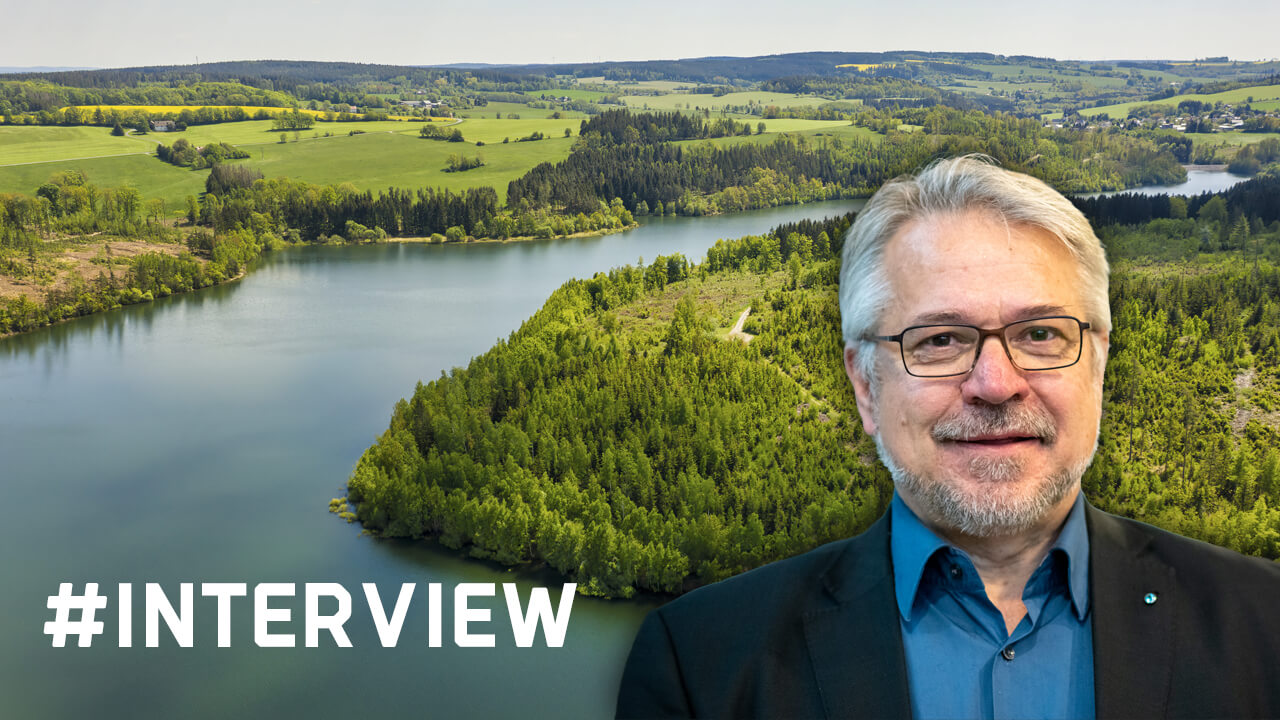
“Water has a Democratic Dimension”
|
|
|
|
|
|
|
|
|
|
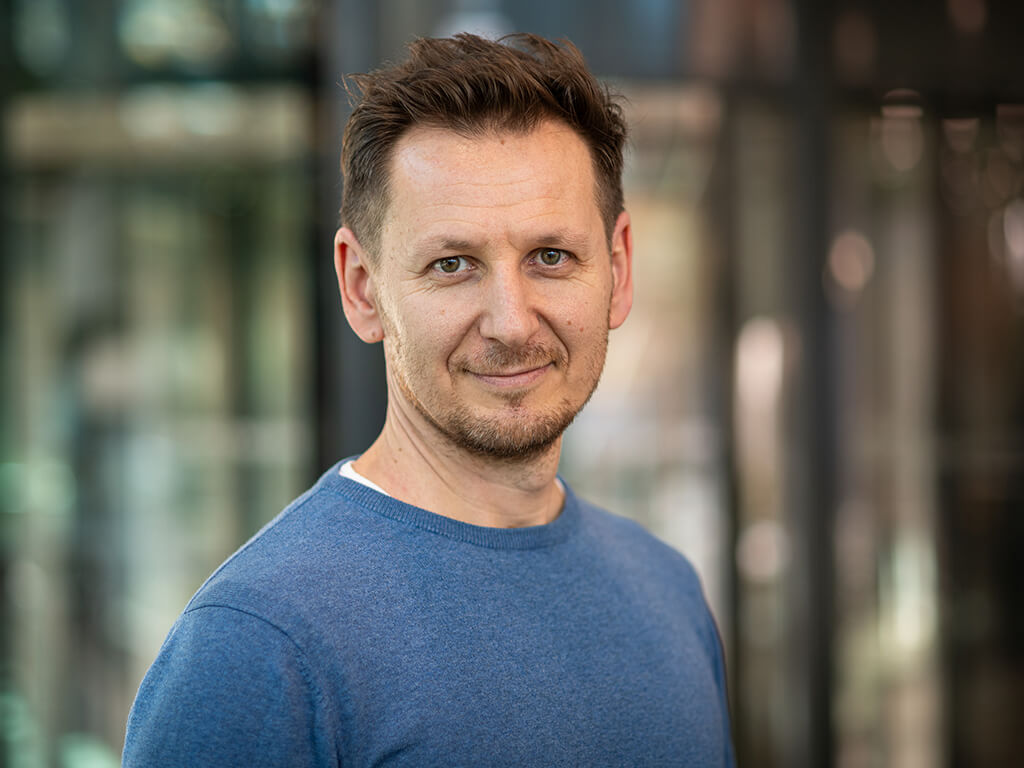
A
recent UN report warned of “global water bankruptcy”. In an interview,
UFZ hydrobiologist Prof. Dietrich Borchardt explains the state of the
global water balance. He describes the problems Germany faces in
protecting its water resources, why sustainable water management
concerns each and every one of us, and how the Helmholtz Association
intends to put innovative solutions into practice.
|
|
|
|
|
|
|
|
|
|
|
|
|
|
Position Paper
|
|
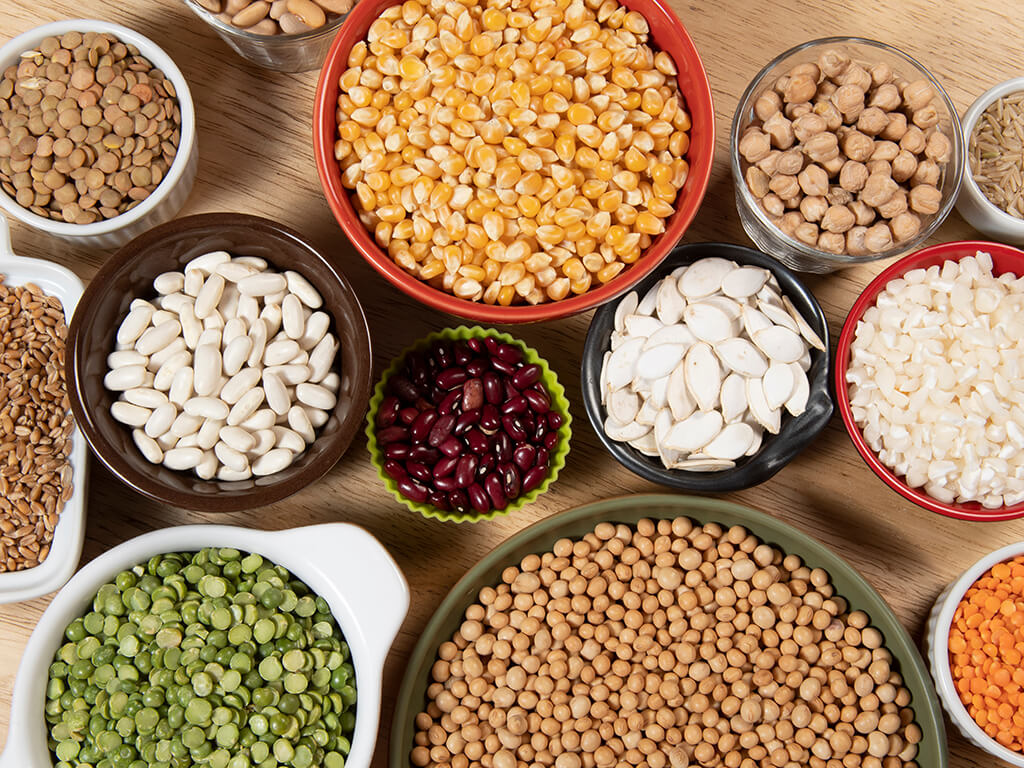
Diversified Cropping Systems for Arable Crops
|
|
|
|
|
|
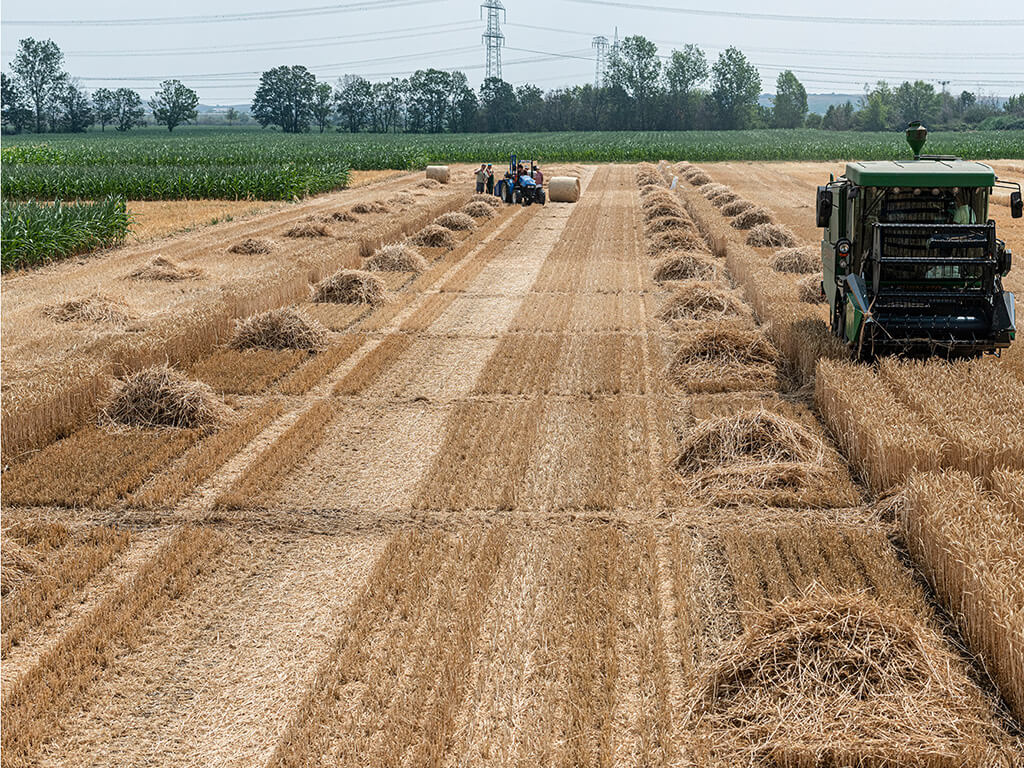
How
can agriculture become more resilient to crises? In a position paper,
the Permanent DFG Senate Commission “Transformation of Agricultural and
Food Systems,” chaired by UFZ soil scientist Prof Doris Vetterlein,
calls for stronger efforts toward more diverse cropping systems,
including extended crop rotations, mixed cropping systems, and
agroforestry, as well as more research. The goal is to develop adaptable
cropping systems that ensure food security while being ecologically
sustainable.
|
|
|
|
|
|
Statement
|
|
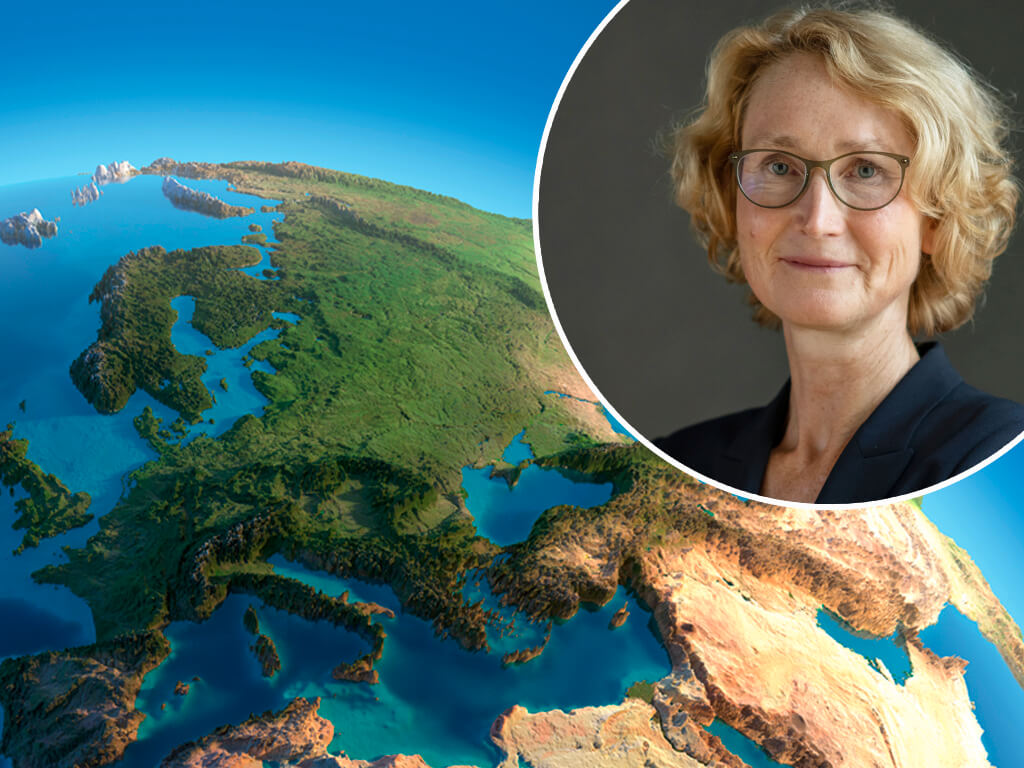
An Intact Environment Creates Greater Security
|
|
|
|
|
|
The
world is currently experiencing the highest number of conflicts since
the Second World War. In addition, the global order is increasingly
eroding. These threats are serious and must be taken seriously. However,
it would be fatal to overlook the risks posed by climate change,
biodiversity loss, and environmental pollution, writes UFZ Scientific
Director Prof Katrin Böhning-Gaese. In the long term, this would only
exacerbate the overall challenges and confront us with enormous new
problems.
|
|
|
|
|
|
|
|
|
|
|
|
|
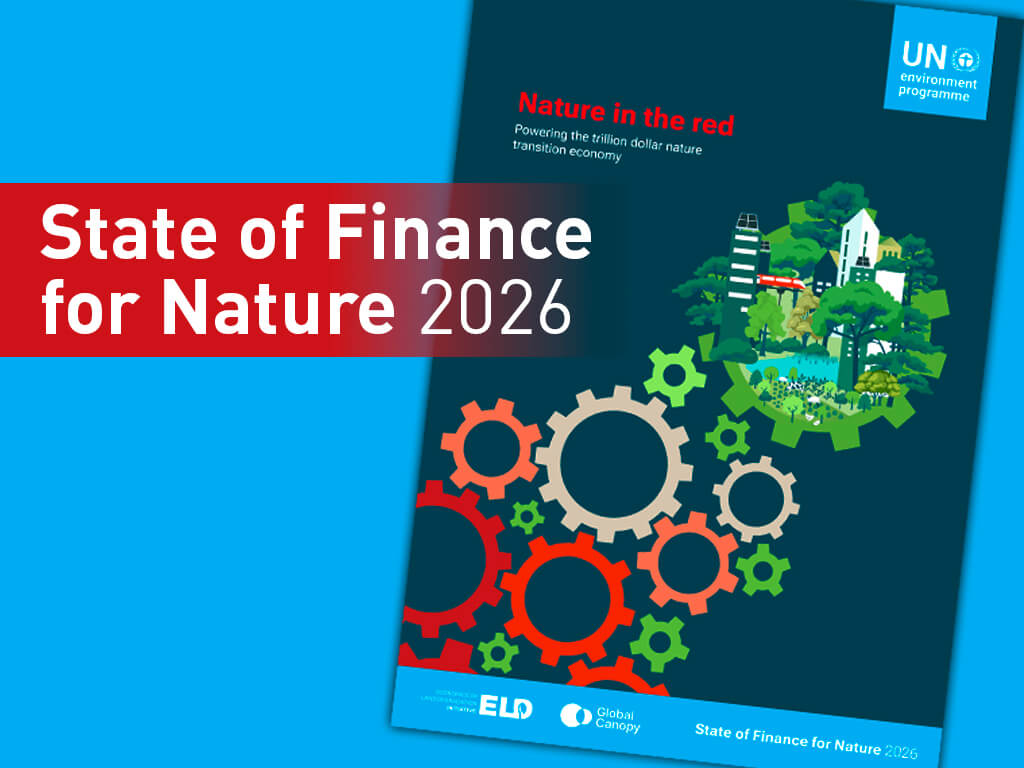
UN Report “Finance for Nature”
|
|
Insufficient Funding for Crisis Management
|
|
|
|
|
|
For
every Dollar invested worldwide in nature conservation, 30 US Dollars
flow into its destruction. This is shown by a recent report from the
UNEP, to which researchers from UFZ contributed. According to the
report, 7.3 trillion US Dollars were invested in nature-negative
financial flows in 2023, compared to only around 220 billion US Dollars
in nature-based solutions. To tackle ecological crises, annual
investments of more than 570 billion US Dollars will be needed by
2030.
|
|
|
|
|
|
New Concept of Sustainable Development
|
|
Bringing Nature, Society and the Economy Together
|
|
|
|
|
|
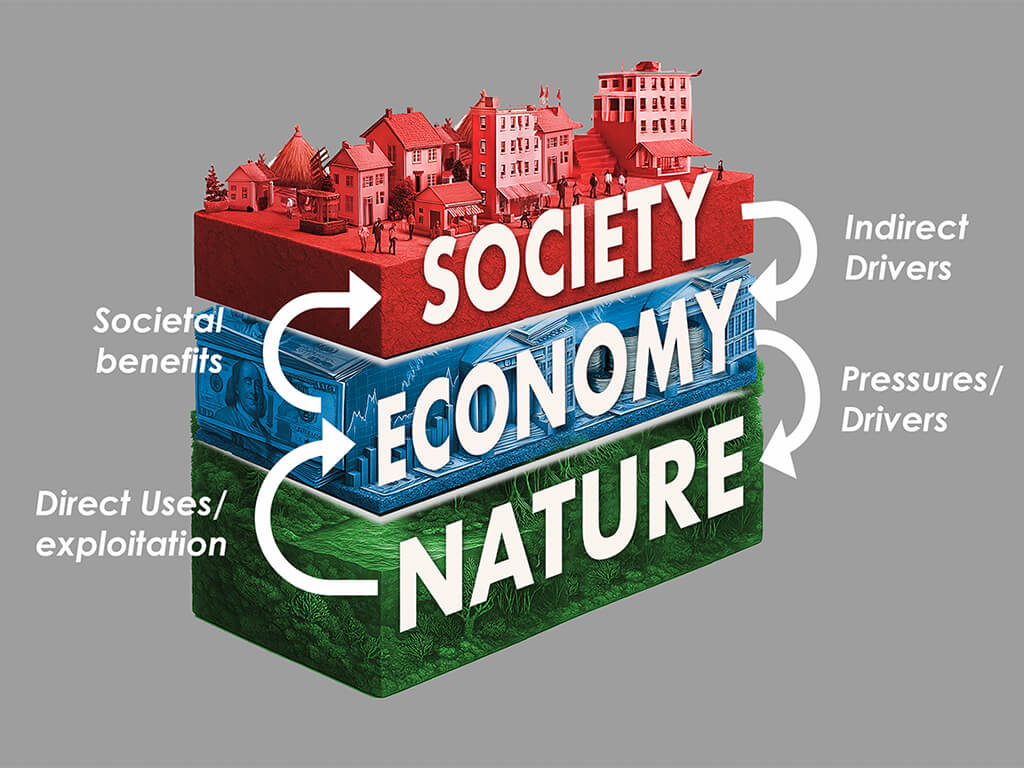
The
concept of “sustainable development” has so far been based on a
three-pillar model that considers nature, society, and the economy
separately. In light of the current crises, this approach is no longer
adequate, say researchers who, like Prof Josef Settele from UFZ, are
involved in the Intergovernmental Science-Policy Platform on
Biodiversity and Ecosystem Services (IPBES) for many years. In Nature Communications Sustainability, they have proposed a new model.
|
|
|
|
|
|
|
|
|
|
|
|
|
|
|
|
PORTRAIT
|
|
|
|
|
Prof Tamara Tal
|
|
|
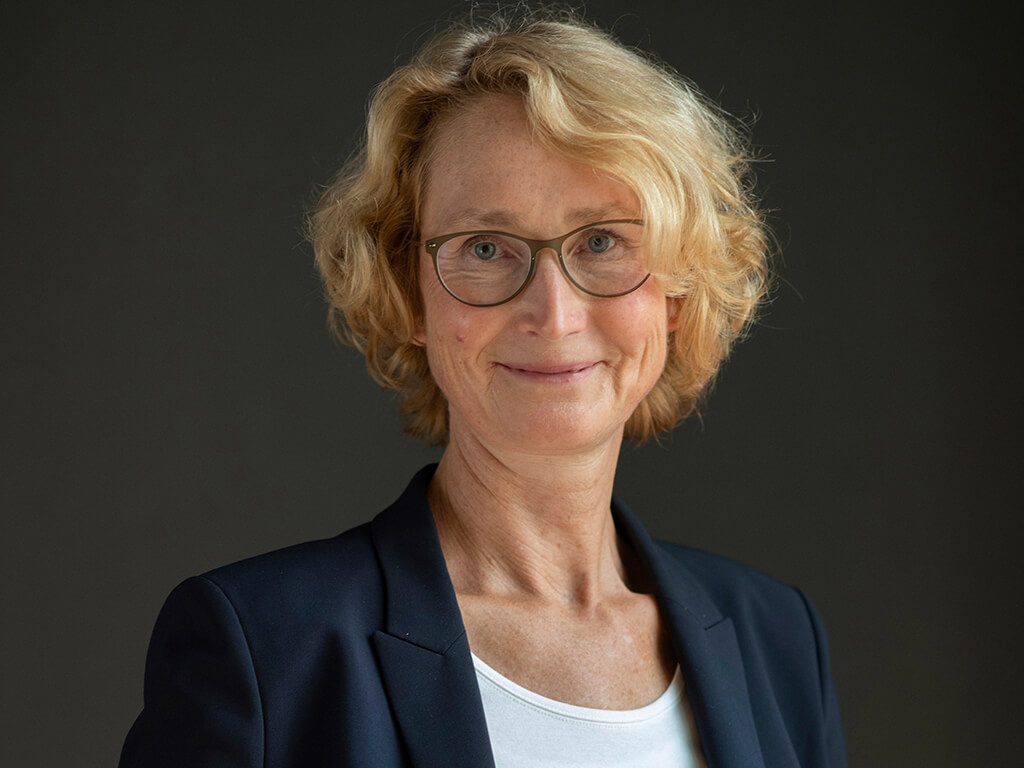
Hundreds
of thousands of chemicals and chemical mixtures are in circulation
worldwide. However, information is often still lacking on which of these
may impair the development of the human brain. UFZ ecotoxicologist Prof
Tamara Tal aims to close this knowledge gap and uses zebrafish embryos
as a model system for this purpose. In her laboratory at UFZ in Leipzig,
she develops testing methods that make it possible to identify more
quickly which substances are of concern – and why.
|
|
|
|
|
|
|
|
|
|
|
|
|
Global Plastics Treaty
|
|
Success is still Possible
|
|
|
|
|
|
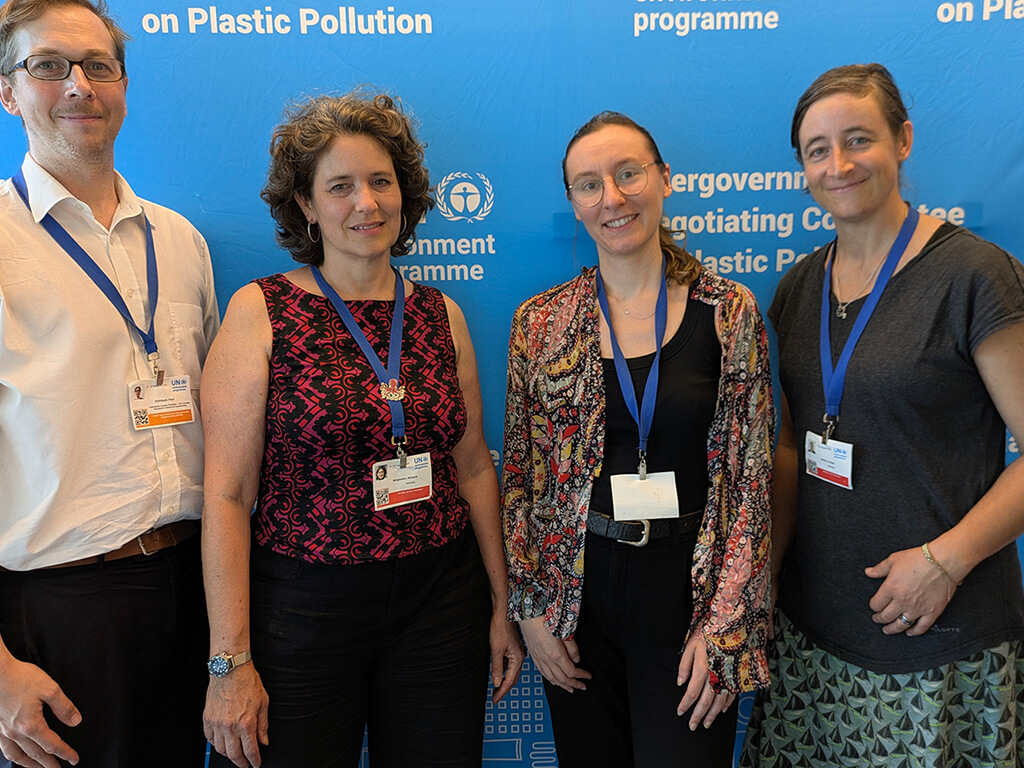
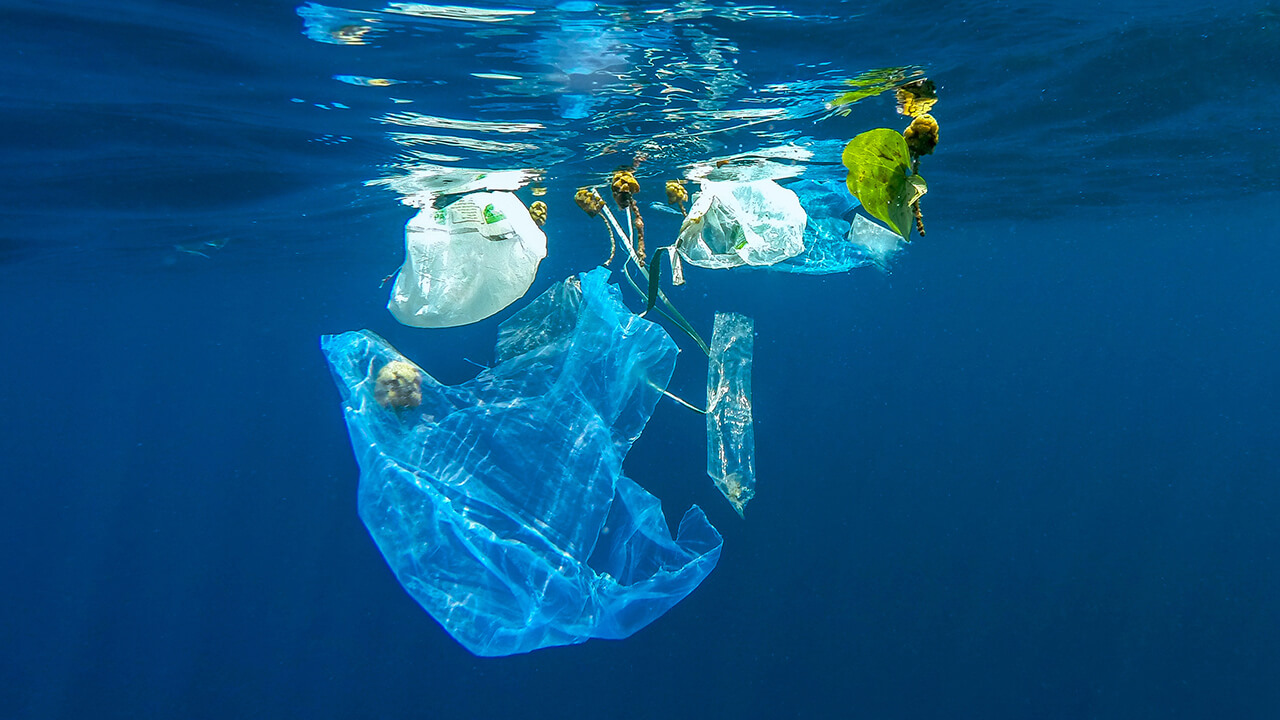
Plastic
waste is causing major problems worldwide. However, the United Nations
negotiations have so far failed to produce a global plastics agreement.
Expectations are therefore high for Julio Cordano (Chile), the newly
elected Chair of the Intergovernmental Negotiating Committee (INC) in
February. Above all, he needs to reform the negotiation process. This is
also demanded by four Helmholtz researchers, including UFZ
ecotoxicologist Prof Annika Jahnke, in a commentary published in Nature.
|
|
|
|
|
|
Statement
|
|
PFAS Limits are not Enough
|
|
|
|
|
|
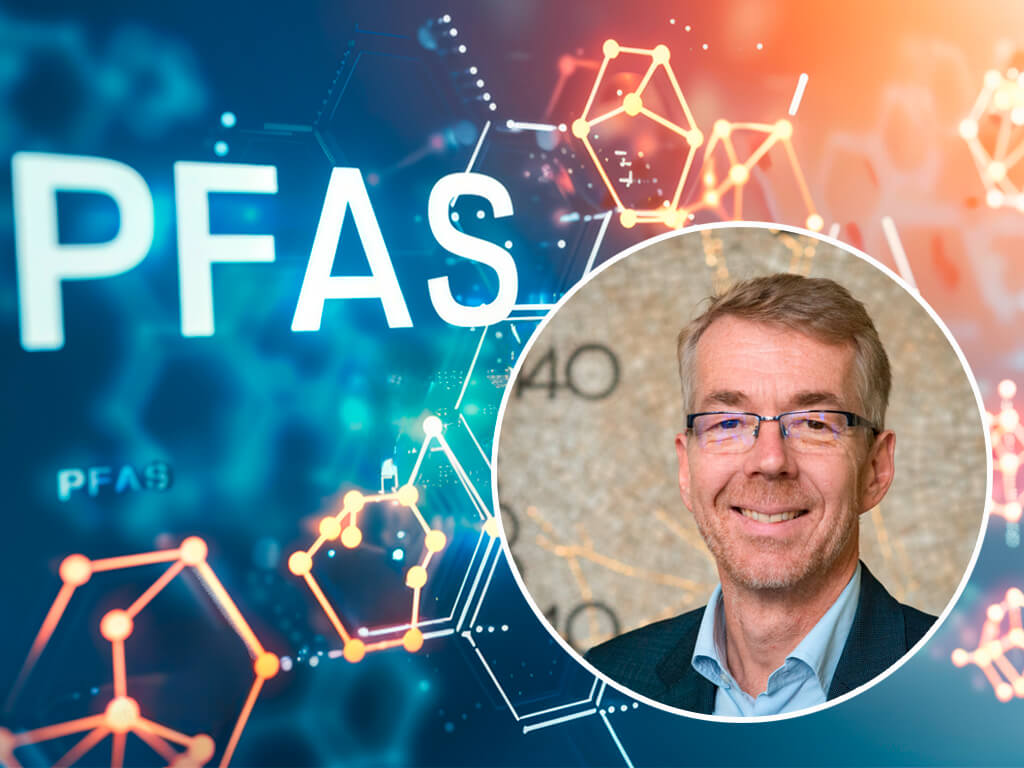
Stricter
limit values for PFAS in drinking water have been in force since
January. Because some of these substances affect metabolism, the immune
system and are suspected of being carcinogenic, these tighter
regulations are a positive step, says UFZ chemist Prof Thorsten
Reemtsma. However, since drinking water is rarely the main exposure
pathway for humans, regulation must primarily address the problem at its
source. This means that the use of PFAS in products must be drastically
limited.
|
|
|
|
|
|
|
|
|
|
|
|
|
PFAS
|
|
Disruption of Placenta Development
|
|
|
|
|
|
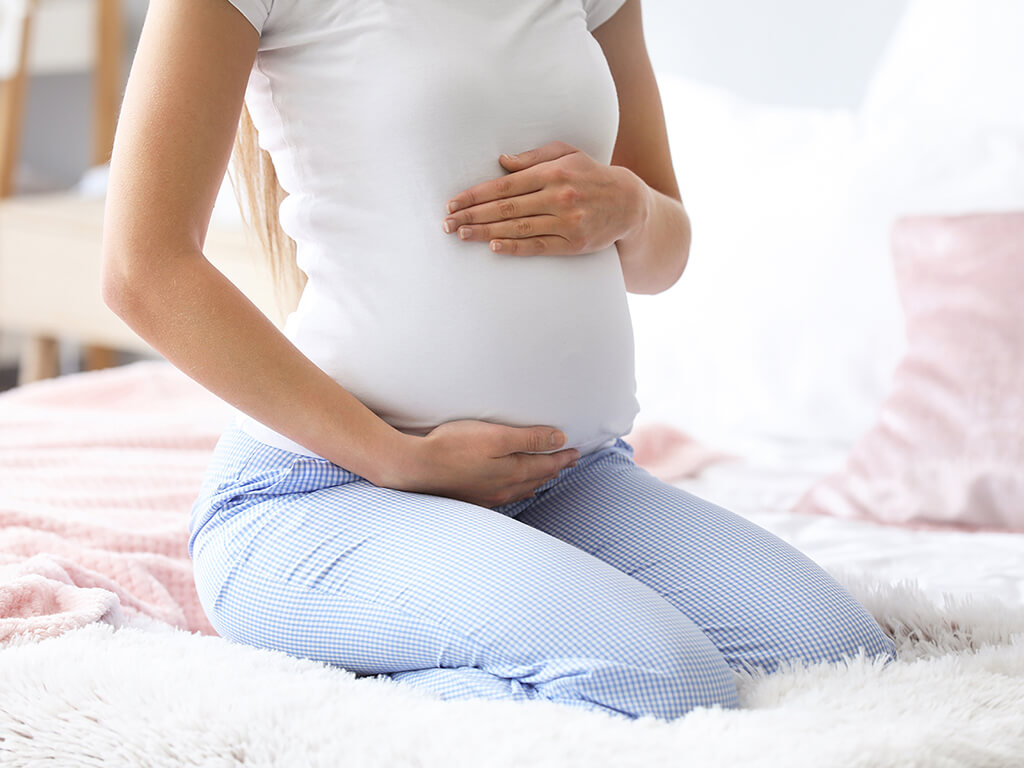
PFAS
have negative effects on human health, particularly on pregnant women
and their unborn children. The placenta plays an important role as a
protective barrier. Researchers at UFZ have now further developed a 3D
placenta model to better analyze the risks of PFAS exposure. They found
that PFAS disrupt the functioning of the placenta, especially during
early pregnancy. Their findings are published in the scientific journal Environmental Research.
|
|
|
|
|
|
Metal Contamination of Crops
|
|
Origin of Toxic Metals in Wheat Grains
|
|
|
|
|
|
Plants
absorb not only nutrients through their roots, but also toxic metals
such as cadmium. Until now, it was unclear whether these originated from
the soil or from applied fertilizers. Led by UFZ and Duke University
(USA), a research team used a specific isotopic signature to determine
that the majority of the toxic metals come from mineral fertilizer. They
report on the implications of these findings in the scientific journal Environment International.
|
|
|
|
|
|
|
|
|
|
|
|
|
Nutrient Recycling
|
|
From the Lake to the Field
|
|
|
|
|
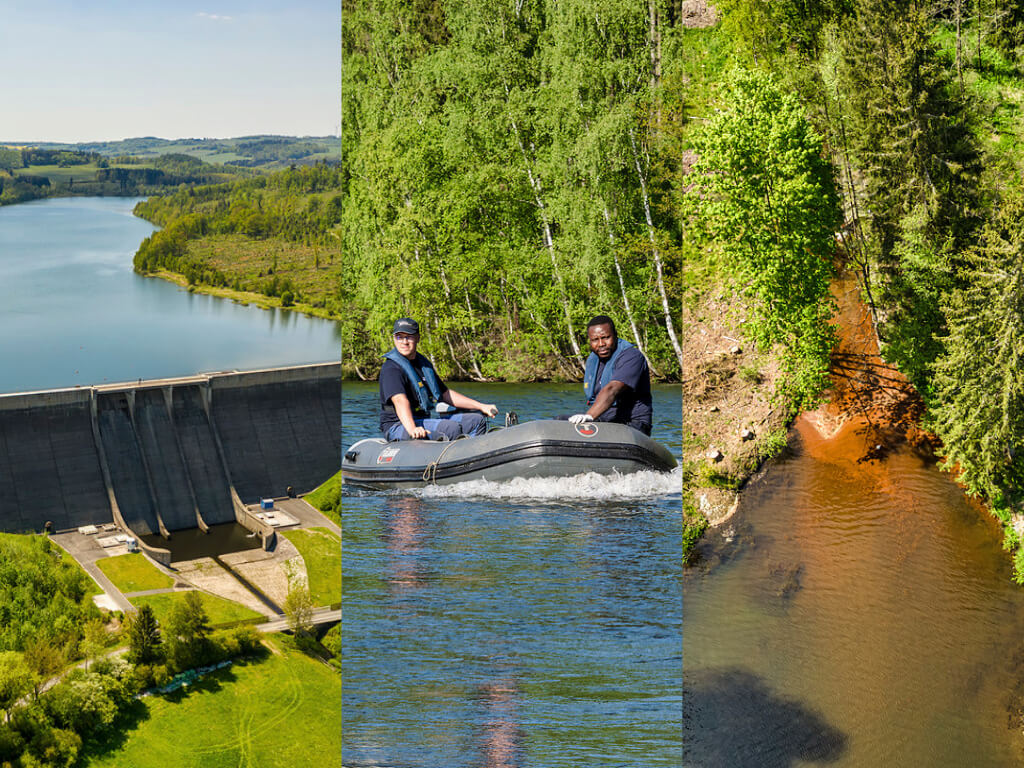
UFZ
lake researchers are developing methods in the EU project “FERRO” to
prevent the eutrophication of lakes and reservoirs and to support the
natural recovery of water bodies through in-situ remediation techniques.
At the same time, nutrients such as phosphorus are to be recovered and
made available to agriculture as fertilizer. The film shows how UFZ
researchers are implementing this approach at one of the five European
demonstration sites, the Dröda Reservoir in Saxony.
|
|
|
|
|
|
|
|
|
|
|
|
Helmholtz Association
|
|
Research for Freedom and Life
|
|
|
|
|
|
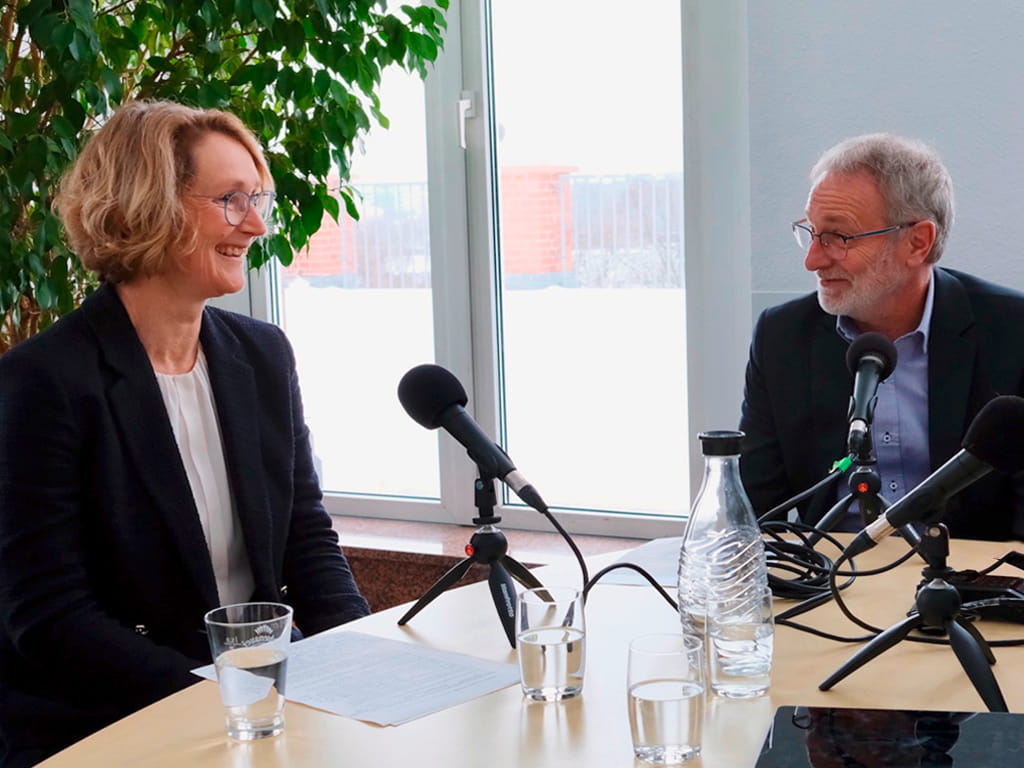
The
Helmholtz Association has had a new president since autumn: Prof Martin
Keller. In February, he visited UFZ to learn more about its research
topics. In a podcast conversation with UFZ Director Prof Katrin
Böhning-Gaese, who is also currently Vice President of Helmholtz, they
discuss, among other things, academic freedom, the role of environmental
research, why Helmholtz aims to collaborate more closely with industry
in the future, and what both of them hope for from policymakers.
|
|
|
|
|
|
Soil Protection
|
|
How Healthy are Europe’s Soils?
|
|
|
|
|
|
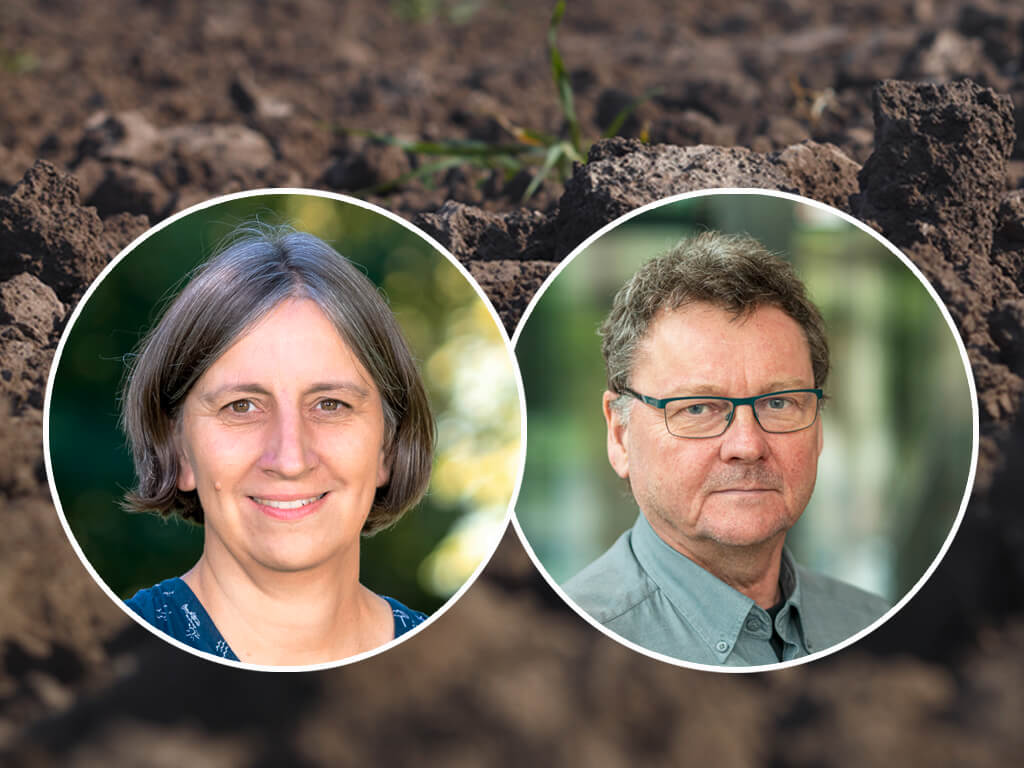
Healthy
soils are essential for people, the environment, the climate, and the
economy. Yet for a long time, there was no systematic soil protection
policy in the EU. As a result, 60 to 70 percent of soils are considered
degraded. This is set to change with the EU Soil Monitoring Directive.
Such monitoring is important before concrete measures to improve soil
quality are made legally binding, say UFZ agricultural scientist Prof
Hans-Jörg Vogel and soil researcher Dr Ute Wollschläger.
|
|
|
|
|
|
|
|
|
|
|
|
|
|
|
|
|
|
|
|
|
|
FILM TIP
|
|
“Plastic and Marine Life – An Uneasy Coexistence“
|
|
|
|
|
Plastic
is polluting the oceans. BUT: it is also colonized by bacteria, algae,
and fungi. The ARTE documentary explores this new world on plastic
waste: the so-called plastisphere. It follows researchers on expedition
and provides extraordinary insights into a world that would otherwise
remain hidden from us. It also visits UFZ ecotoxicologist Dr Mechthild
Schmitt-Jansen, who uses an imaging technique to make the microbes on
plastic visible.
|
|
|
|
|
|
|
|
|
|
|
|
RECOMMENDED READING
|
|
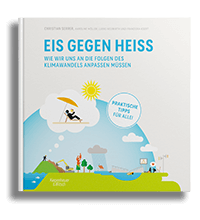
“EIS GEGEN HEISS” How we must adapt to the Consequences of Climate Change
|
|
|
“Eis
gegen heiß” is a guide that presents scientifically grounded
information on climate adaptation in an accessible way. Through concise
texts and numerous illustrations, the book offers practical everyday
tips and shows how people can strengthen their psychological resilience,
maintain productivity on hot days, and protect buildings from flooding.
Around 70 scientists contributed to the book, including UFZ climate
researcher Prof Jakob Zscheischler.
|
|
|
|
|
|
|
|
|
|
|
|
|
|
|
|
|
|
Prof Katrin Böhning-Gaese
|
|
|
The
Scientific Director of UFZ – herself awarded the German Environmental
Award in 2021 – has been a member of the jury of the award of the German
Federal Environmental Foundation (DBU) since January, advising the
Board of Trustees in its decision-making. In addition, she has been
appointed for four years to the Scientific Advisory Board of the Potsdam
Institute for Climate Impact Research (PIK). The advisory board
provides strategic recommendations on PIK’s research program.
|
|
|
|
|
|
|
|
|
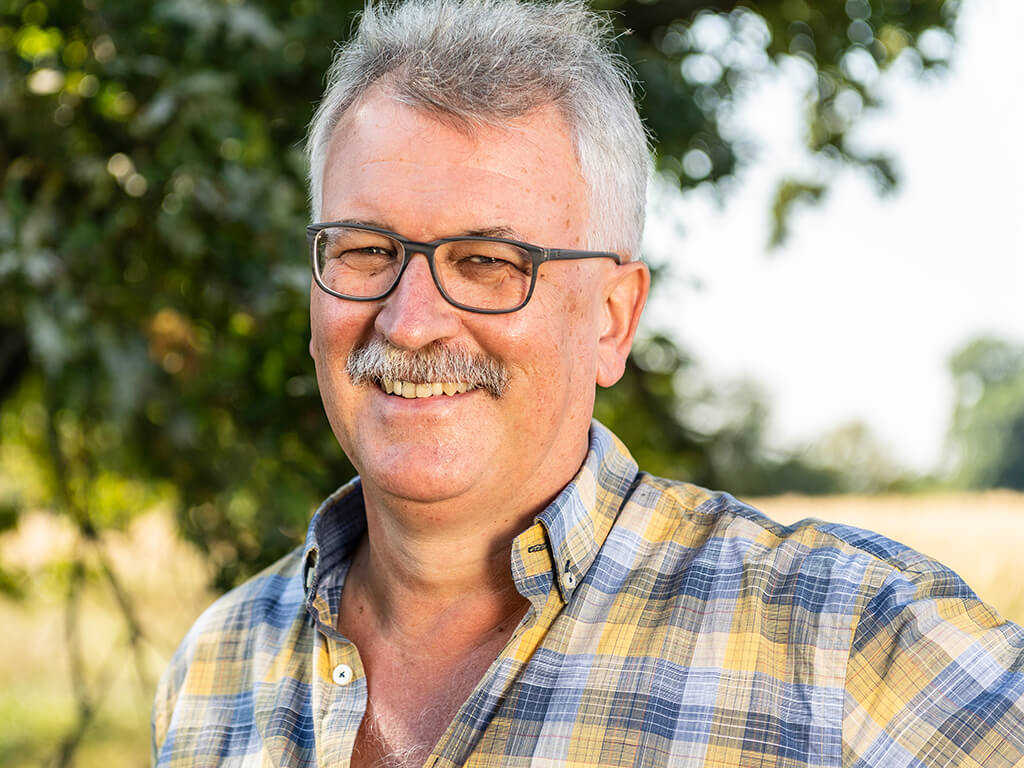
Prof Josef Settele
|
|
|
In
February, the UFZ biodiversity researcher was elected to the
Multidisciplinary Expert Panel (MEP) of the Intergovernmental
Science-Policy Platform on Biodiversity and Ecosystem Services (IPBES)
as the only representative of a German research institution. The MEP
advises the IPBES Plenary. It ensures that IPBES reports undergo
independent review and meet the highest scientific standards. In
addition, it engages experts from different disciplines, regions, and
knowledge systems.
|
|
|
|
|
|
|
|
|
|
|
|
|
|
Dr Dušan Materić
|
|
|
|
|
Chemist
Dr Dušan Materić has been awarded the UFZ Research Award 2025, which is
endowed with €10,000. The UFZ researcher has developed an analytical
method that can be used to detect nanoplastic particles in environmental
and biological samples. The jury also praised his numerous
interdisciplinary and international collaborations. These have made it
possible to record nanoplastic exposure even in remote regions of the
world.
|
|
|
|
|
|
|
|
|
|
|
|
|
|
|
|
|
|
|
Impacts of Climate Change on Groundwater
|
|
March 10 – 13, 2026 I Conference I Kongresshalle Leipzig
|
|
|
Groundwater
forms the basis for large parts of the water supply, feeds rivers, and
sustains wetlands. These functions are being called into question by the
impacts of climate change. At the same time, water demand among
different user groups is changing. Experts from research, public
authorities, industry, and professional associations will discuss
groundwater in times of change in Leipzig at the invitation of UFZ and
the Hydrogeology Section of the German Geological Society.
|
|
|
|
|
|
|
|
|
|
|
|
|
|
|
Save Biodiversity
|
|
March 19, 2026 I Book Reading and Discussion I UFZ Leipzig
|
|
|
Two
books on species loss are at the focus of the Helmholtz Environmental
Lecture, to which UFZ and Klimabuchmesse eV. invite guests as part of
the Leipzig Reads festival. In “Wir dachten, wir könnten fliegen” 20
authors bring extinct species back to life through literature. The book
“Rettet die Vielfalt” co-authored by Katrin Böhning-Gaese, calls for a
rethink: away from the exploitative treatment of nature and toward a
society that reimagines and redefines its relationship with
nature.
|
|
|
|
|
|
|
|
|
|
|
|
|
|
|
Environmental Law Symposium
|
|
March 26 – 27, 2026 I Conference I Neues Rathaus Leipzig
|
|
|
Environmental
and planning law has changed since the 1990s. This development has gone
hand in hand with new planning instruments, expanded rights of action
for environmental organizations, and greater public participation. In
light of the climate, biodiversity, and pollution crises, transformative
and cross-sectoral approaches are also becoming increasingly important.
The symposium takes stock of these developments and discusses their
implications as well as future perspectives.
|
|
|
|
|
|
|
|
|
|
|
|
|
|
|
|
|
|
|
|
|
|
|
|

|
|
|
SOCIAL MEDIA
|
|
|
You can find even more topics from the research centre
on our website and social media channels:
|
|
|
|
|
|
|
|
|
|
|
|
|
|
|
|
PUBLISHER
Helmholtz-Zentrum für Umweltforschung - UFZ
Permoserstraße 15, 04318 Leipzig
Text / image editing: Susanne Hufe • Benjamin Haerdle • Dr Reinart Feldmann • Susan Walter-Pantzer • Doris Wolst I presse@ufz.de
Photo credits:
Pixel-Shot I AdobeStock • CORDIO East Africa • UNEP • Celso Pupo I
AdobeStock • Anton Balazh I AdobeStock • Peter Kiefer • Paul Einhäupl I
RIFS • Anzhela I AdobeStock (KI) • S. Reichold • Sebastian Grote •
aryfahmed I AdobeStock • Kiepenheuer & Witsch • Sebastian Wiedling I
UFZ • André Künzelmann I UFZ
|
|
|
|
|
|